Micron, a prominent memory manufacturer, has recently sparked debate within the tech community by releasing a blog post touting the indispensable nature of advanced GPU memory for future gaming and AI computing. This move is seen as ironic by many, given the company's recent strategic shift away from the consumer memory market to prioritize supplying memory for AI servers. The timing and content of Micron's message have raised questions about its commitment to the gaming segment, which it previously served.
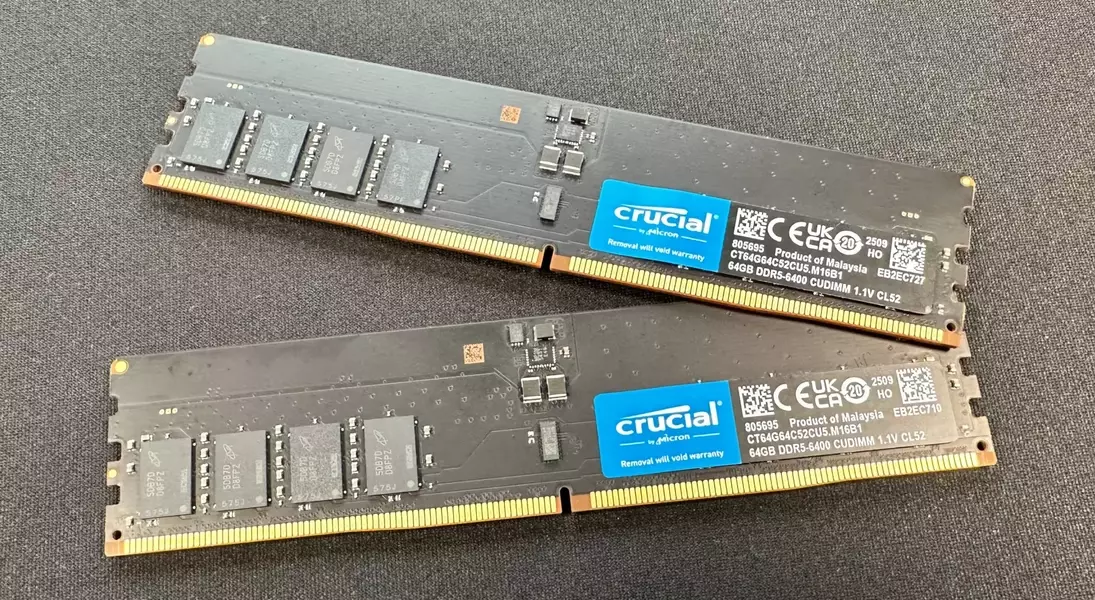
In December, Micron made a significant announcement regarding its withdrawal from the Crucial consumer memory division. The company cited a strategic decision to concentrate on higher-growth sectors, specifically AI data centers. This pivot was intended to enhance support for its larger, more strategic clientele. However, mere months later, Micron's new publication titled "The new performance bottleneck: How more GPU memory unlocks next gen gaming and AI PCs" appears to contradict their earlier stance, at least from the perspective of PC gamers.
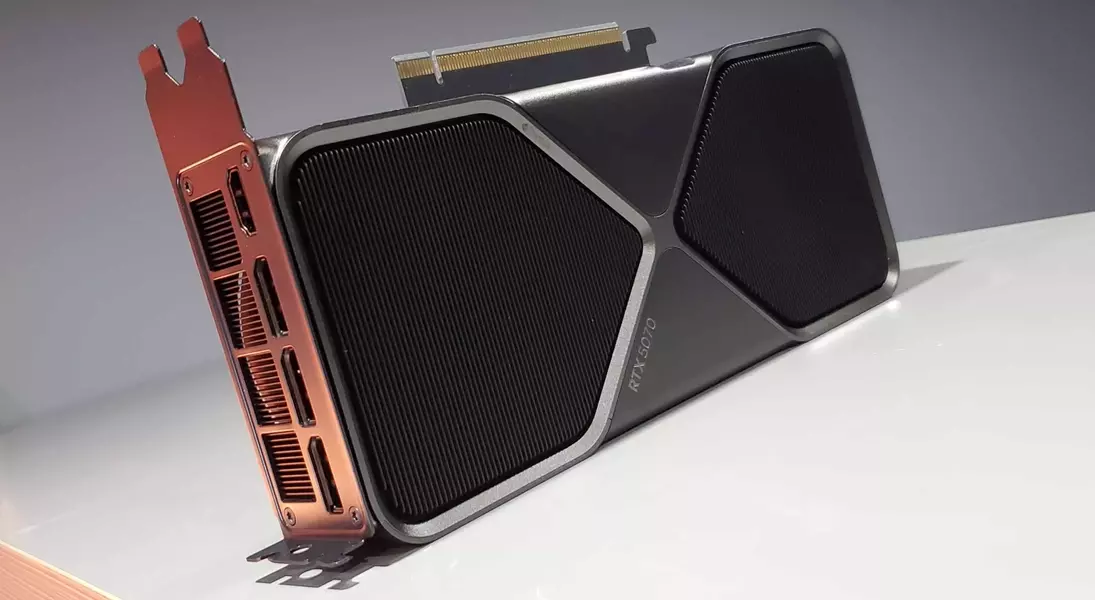
Micron's latest communication delves into the evolving landscape of PC performance, asserting that future advancements will be driven more by memory capacity than by raw computational power. While the article primarily focuses on GDDR7 VRAM for graphics processing units rather than DDR5 RAM for central processing units, the underlying message about memory's importance remains clear. Micron emphasizes the capabilities of its new 24 GB density, which could enable up to 96 GB of graphics memory. This substantial increase, they argue, would provide GPUs with ample space for high-resolution textures, expansive virtual environments, and sophisticated visual effects, crucial for cinematic gaming experiences.
The company elaborates on the growing demands placed on GPU architectures by modern games. Features like real-time ray tracing require continuous access to vast datasets, including geometry, materials, lighting maps, and shadows. Furthermore, high refresh rate displays, ultra-resolution textures, open-world designs, and AI-assisted rendering techniques all contribute to workloads that can easily exceed traditional memory limitations. Micron correctly identifies that insufficient GPU memory forces systems to constantly swap assets, leading to common gaming frustrations such as texture pop-in, frame stutters, uneven frame times, and performance drops during intense, ray-traced scenes.
Despite the technical validity of Micron's arguments regarding the benefits of increased memory, the broader context of their business decisions creates an awkward situation. The company's prior divestment from consumer-focused memory products to support the burgeoning AI sector has left many gamers feeling overlooked. This is particularly salient as reports circulate about other major players, like Nvidia, potentially curtailing the availability of more affordable 16 GB GPU models, exacerbating memory scarcity for the average PC enthusiast.
While Micron might contend that their discussion of 96 GB VRAM is a forward-looking vision for future technology rather than an immediate product recommendation, the perception remains that the company is highlighting needs it is no longer directly fulfilling for the gaming community. This juxtaposition of advocating for enhanced gaming memory while simultaneously disengaging from the consumer market for such products strikes a discordant note among those who closely follow hardware developments.
