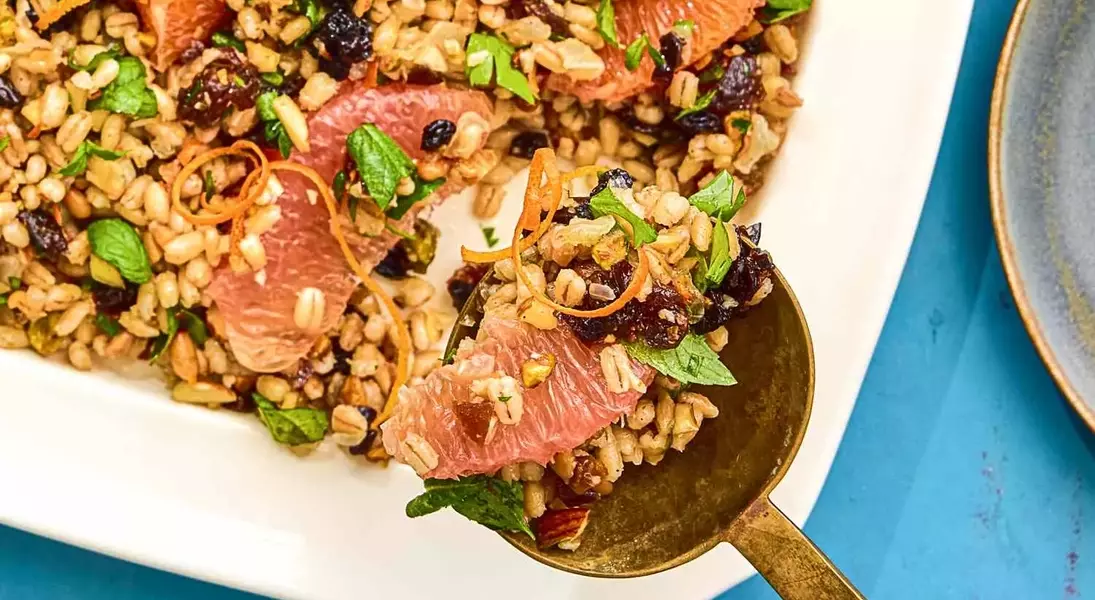
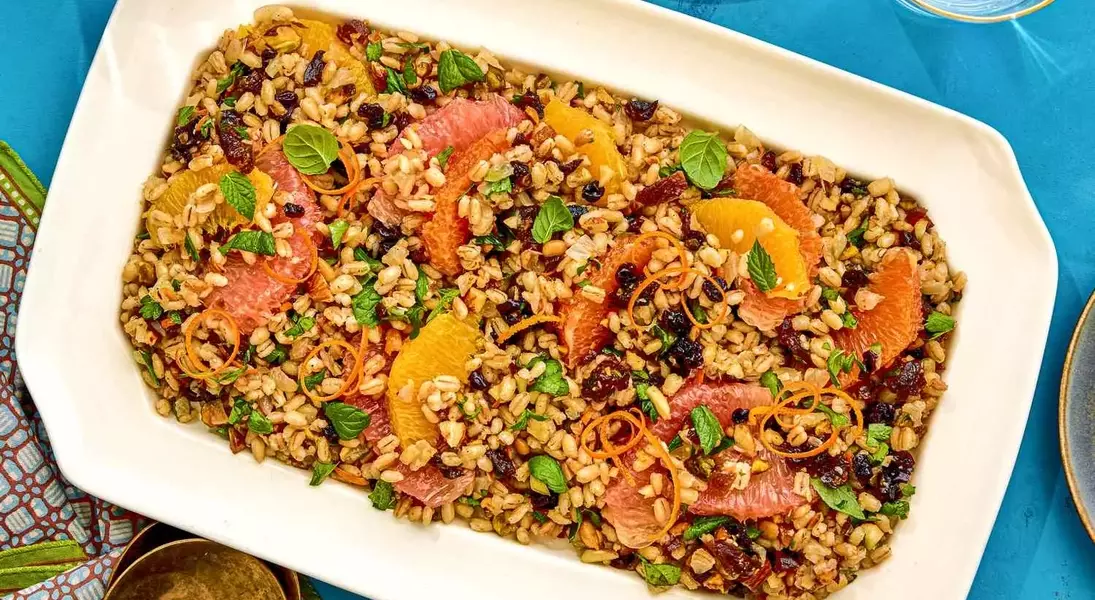
This recipe transforms the traditional pilaf by substituting rice with hearty barley, offering a dish that combines nutty, earthy flavors with vibrant, fresh notes. The method involves toasting the pearl barley with onions, garlic, and cardamom to build a rich base, then simmering it in a unique mixture of chicken or vegetable stock and apple juice. The cooked barley is then tossed with juicy citrus segments, a medley of chewy dried fruits, and crunchy toasted nuts, resulting in a complex and satisfying culinary experience that can serve as a versatile side dish or a light main meal.
Pilaf, fundamentally, is a culinary technique where grains are first lightly toasted in fat before being simmered in a liquid until they become tender yet retain their individual texture. While rice is the most commonly associated grain with this method, its application extends to various other grains. For instance, bulgur is a staple in many Armenian pilafs, and freekeh is frequently prepared in a pilaf style across the Levant region. This preparatory step of toasting grains is crucial as it significantly enhances their inherent nutty flavors, adding depth and complexity to the dish.
The current recipe ingeniously applies this versatile cooking approach to barley, drawing inspiration from Iranian jeweled rice, known as morasa polo. This festive Persian dish is traditionally characterized by saffron-infused rice adorned with a colorful array of nuts, dried fruits, and vegetables. By replacing rice with barley, this recipe maintains the essence of morasa polo: a wholesome grain base intermingled with bright, contrasting elements. The inclusion of succulent citrus segments, such as Cara Cara and blood oranges, along with tangy grapefruit, contributes a zesty freshness. Chewy dried apricots and currants, combined with crunchy pistachios and almonds, add diverse textures and bursts of sweetness, creating a harmonious blend of flavors and sensations in every bite. Pearl barley, specifically chosen for its quicker cooking time and pleasant chewiness, provides an excellent foundation for this flavorful ensemble.
The initial stage of crafting this pilaf focuses on developing a robust flavor profile. This begins by gently sautéing onions in olive oil until they are soft and translucent. Following this, minced garlic and ground cardamom are introduced and cooked briefly until their aromatic fragrances are released. The pearl barley is then added to this mixture, stirred to ensure each grain is coated with the aromatic oil, and toasted until it achieves a golden hue and a distinctly nutty aroma. This process of toasting is vital for deepening the barley's flavor and ensuring its perfect texture later on.
Following the toasting, the barley is gently simmered, covered, in a rich liquid composed of chicken or vegetable stock, apple juice, and a bay leaf. The incorporation of apple juice, a technique inspired by dishes like the farro salad from New York’s Charlie Bird restaurant, imparts a subtle sweetness and fruity undertone without making the dish overly sweet. Once the barley reaches a tender yet pleasantly chewy consistency and most of the liquid is absorbed, any remaining excess liquid is drained. This non-traditional step is particularly important for this pilaf, as it will be combined with various mix-ins, preventing the grains from becoming waterlogged and ensuring a light, distinct texture. A final drizzle of olive oil is added to coat the grains, ensuring they remain glossy and separate.
Once all the components are brought together, the pilaf is a vibrant celebration of textures and flavors. Each spoonful offers a delightful interplay of chewy barley, succulent citrus, and the satisfying crunch of nuts. This dish is exceptionally versatile, equally impressive as an eye-catching side or a fulfilling main course, and can be enjoyed either warm or refreshingly chilled. Its robust flavors and varied textures make it a compelling addition to any meal, promising a delightful culinary experience.
