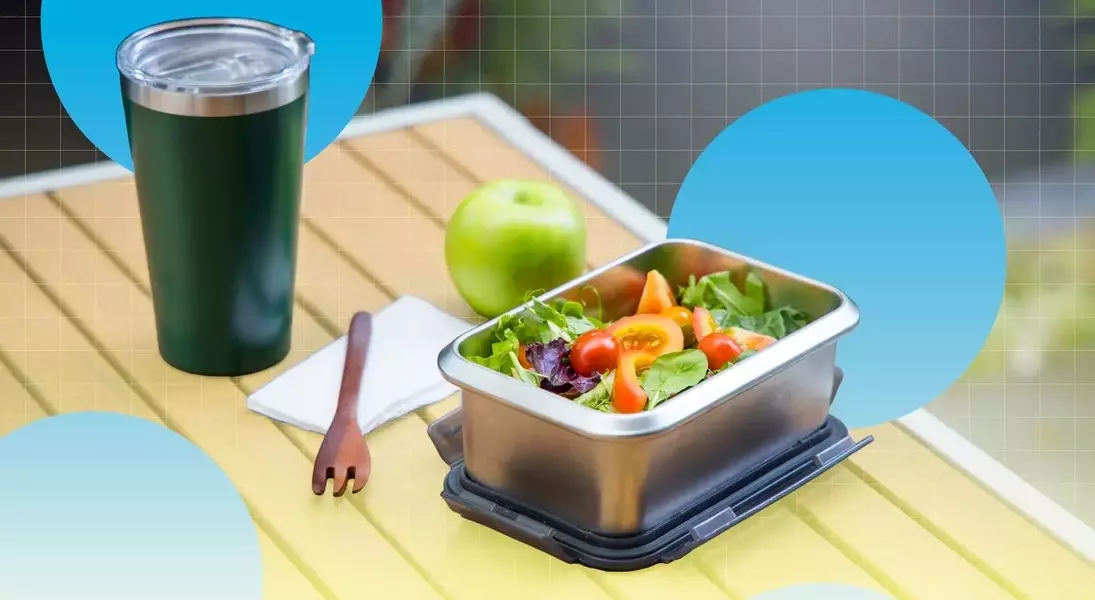
Stainless steel containers, lauded for their robustness and hygienic non-porous surfaces, have emerged as a favored alternative to plastic in modern kitchens. However, despite their advantages, these metal vessels are not universally suitable for all types of foodstuffs. Culinary and food science experts caution that certain acidic and salty ingredients can react adversely with stainless steel, potentially leading to corrosion, metallic taste transfer, and even the leaching of trace metals into food, raising concerns about both flavor integrity and health.
Unveiling the Hidden Dangers: Foods to Keep Away from Stainless Steel
In a recent investigation, food scientist Bryan Quoc Le, Ph.D., highlighted the particular vulnerability of stainless steel to tomato-based sauces. He emphasized that the combination of citric acid in tomatoes and salt significantly accelerates corrosion, especially in lower-grade stainless steel. This corrosive interaction can result in the transfer of metals into the food, with potential health implications, particularly for individuals with metal sensitivities.
Similarly, foods rich in salt, such as those that are brined or fermented, present another challenge. Chef and food safety expert Mark McShane warned against storing items like pickles, olives, sauerkraut, and corned beef in stainless steel. He explained that high-chloride solutions can induce pitting corrosion—the formation of small, localized holes—which not only compromises the container's integrity but also creates crevices where food and bacteria can accumulate. This risk is amplified with lower-quality or damaged stainless steel.
Vinegar-based dressings and citrus fruits, due to their high acetic and citric acid content respectively, also fall into the category of foods best kept out of stainless steel. McShane noted that prolonged contact with these acidic substances can subtly alter the food's taste, imparting an undesirable metallic tang. Jennifer Pallian, a food scientist and founder of Foodess, elaborated that organic acids can strip chromium and nickel from the protective oxide layer of stainless steel. While the amounts are generally below daily intake limits for most, individuals with nickel allergies or contact dermatitis could experience systemic symptoms even from sub-toxic doses leached from storage.
To mitigate these risks, experts recommend opting for food-grade stainless steel (categorized as 304 for everyday use and 316 for marine-grade applications) which exhibits superior resistance to oxidation and rusting. Proper maintenance, including the use of non-abrasive cleaners and ensuring complete drying of containers and lids, is crucial to prevent surface damage and bacterial growth. However, for acidic and salty foods, both Le and McShane unequivocally endorse glass containers as the optimal choice. Glass is inert, unaffected by acids, salt, or heat, and allows for clear visual inspection, effectively eliminating the concerns associated with stainless steel for these specific food categories.
Rethinking Food Storage for a Healthier Kitchen
The insights from these food safety experts underscore a critical yet often overlooked aspect of kitchen hygiene and food preservation. While stainless steel has rightfully earned its place as a reliable and durable material, its interaction with certain acidic and salty foods necessitates a more discerning approach to food storage. The potential for metal leaching, altered food taste, and even health risks for sensitive individuals, serves as a compelling reminder that not all materials are created equal for every culinary purpose. Embracing alternative storage solutions like glass, particularly for high-acid or high-salt items, represents a simple yet impactful step towards ensuring both the safety and quality of our food, ultimately fostering a healthier home environment.
