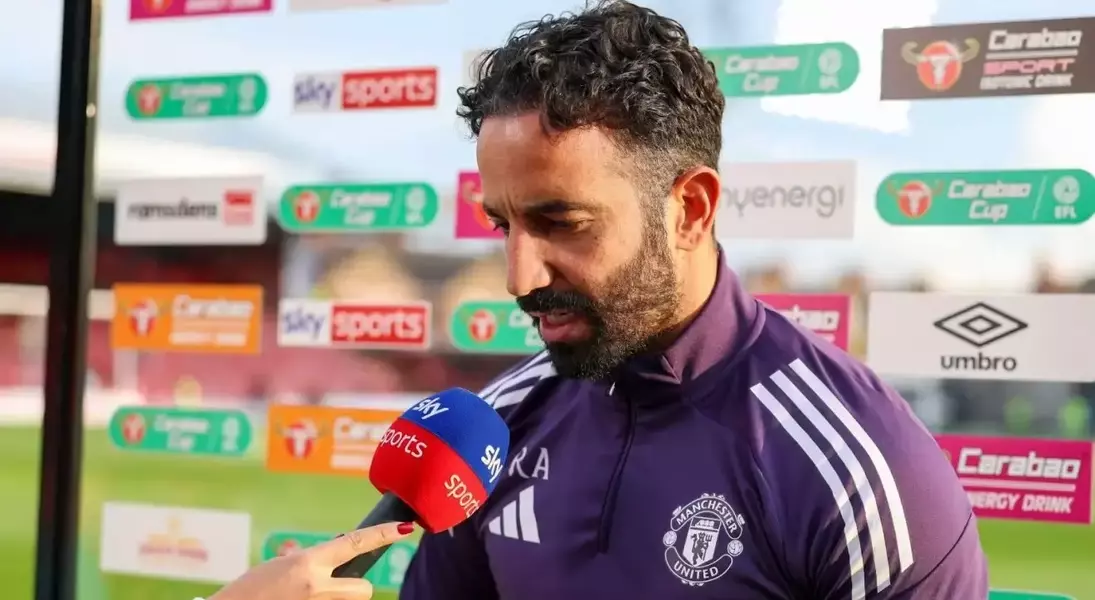
This report delves into the pervasive issue of journalistic integrity within sports media, particularly concerning the sensationalized coverage surrounding Manchester United's managerial situation. It scrutinizes how certain outlets manipulated narratives and presented misleading information to capture public attention, often at the expense of factual reporting. The core of the issue lies in the misrepresentation of events and decisions, highlighting a concerning trend in contemporary sports journalism where immediate virality appears to take precedence over thorough and accurate dissemination of news.
Unpacking the Media Frenzy: Amorim's Future and the Grimsby Aftermath
On a significant August 28, 2025, following Manchester United's unexpected and humbling defeat to Grimsby, a flurry of media reports emerged, primarily from outlets like SPORTbible and the Mirror. These publications swiftly claimed an immediate "sack decision" had been made regarding manager Ruben Amorim. However, a closer examination reveals that these claims were based on a pre-existing club stance from three months prior, in May 2025, after the Europa League final. At that time, Manchester United had affirmed Amorim's position, stating his job was secure for the 2025/2026 season unless he chose to resign. This stark contrast underscores the media's readiness to recontextualize old news to fit a dramatic new narrative. Furthermore, the Manchester Evening News criticized Amorim's active sideline coaching during the Grimsby match, suggesting it was an unfavorable sign. This interpretation, however, overlooks the standard practice of managers providing real-time instructions, especially to a team with new or changed players, portraying a normal coaching behavior in a negative light.
The incident serves as a crucial reminder for both content creators and consumers of news. For journalists, it emphasizes the ethical imperative to prioritize accuracy and context over sensationalism. The pursuit of "clicks" through misleading headlines ultimately erodes trust and diminishes the credibility of reporting. For readers, this situation highlights the importance of critical thinking and cross-referencing information from multiple, reputable sources. In an age of rapid information dissemination, discerning truth from fabricated or exaggerated narratives is paramount. It encourages a deeper engagement with news, pushing beyond initial headlines to understand the full story and its implications.
