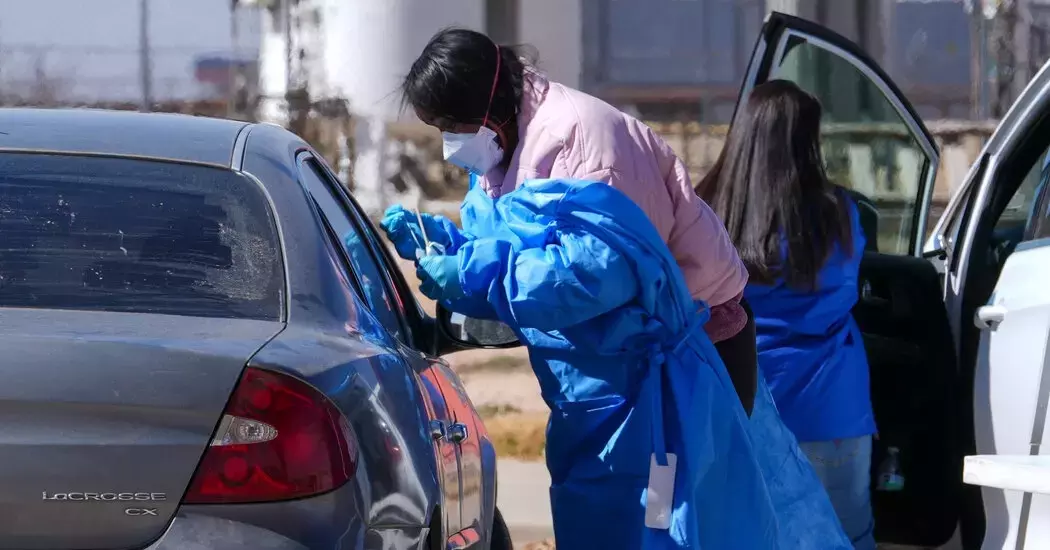
In recent developments, health officials in Texas and New Mexico have reported a significant rise in measles cases. The South Plains region of Texas has seen the most severe impact, with 90 confirmed cases this week alone, while New Mexico has reported nine cases. A majority of these cases have been concentrated in a specific county where vaccination rates are notably lower compared to other areas within the state. Authorities anticipate that the number of infections may continue to increase as the outbreak spreads. This situation has sparked concern among public health experts, especially given the declining vaccination rates and the appointment of Robert F. Kennedy Jr., a vocal critic of vaccines, as the nation's health secretary.
The current surge in measles cases highlights the challenges faced by regions with lower immunization coverage. In Texas, the South Plains area has been particularly affected since late January. The Texas Department of State Health Services revealed on Friday that out of the 90 confirmed cases, 77 were children, and 16 individuals required hospitalization. Gaines County, a rural farming community near the New Mexico border, has experienced the highest concentration of cases. Notably, only five of the infected individuals had received vaccinations against measles, while the remaining patients were either unvaccinated or their vaccination status was unknown.
This outbreak underscores the critical role of vaccination in preventing infectious diseases. Public health officials emphasize that vaccination rates in the affected regions fall well below federal guidelines, making communities more vulnerable to outbreaks. The spread of misinformation about vaccines and the growing hesitancy among parents have contributed to this concerning trend. As the number of cases continues to grow, health authorities are urging residents to ensure they and their children are fully vaccinated to protect against measles and other preventable diseases.
Experts express worry over the potential implications of declining vaccination rates and the influence of vaccine skeptics like Robert F. Kennedy Jr. His appointment as the nation’s health secretary has raised questions about future policies regarding childhood vaccinations. Kennedy has previously cited disputed research on vaccine side effects and has pledged to closely examine current vaccination practices. This stance could further complicate efforts to control outbreaks and maintain public health standards.
The ongoing measles outbreak serves as a stark reminder of the importance of maintaining high vaccination rates to safeguard community health. Health officials are working diligently to contain the spread of the disease and encourage residents to take preventive measures. By addressing the root causes of low vaccination rates and combating misinformation, there is hope that such outbreaks can be prevented in the future, ensuring the well-being of all citizens.
