The importance of balance in maintaining both longevity and quality of life cannot be overstated. According to global health statistics, falls rank second as a cause of unintentional injury-related fatalities. Older adults, particularly those over 60, are most at risk. Research has shown that a significant portion of this demographic struggles with basic balance exercises, which can have serious implications for their overall health. This article delves into the significance of balance training, especially for seniors, and provides practical tips on how to improve this often-overlooked skill.
A recent study conducted by researchers from Brazil highlighted a concerning trend among older adults. The investigation revealed that one-fifth of the participants were unable to maintain balance on one leg for more than 10 seconds. This inability was linked to a significantly higher risk of mortality within a decade. Experts emphasize that a sedentary lifestyle can exacerbate this issue, leading to a vicious cycle of declining physical health. Dr. Lewis Lipsitz, a geriatric specialist from Harvard University, underscores the importance of staying active and engaging in regular balance exercises to prevent such deterioration.
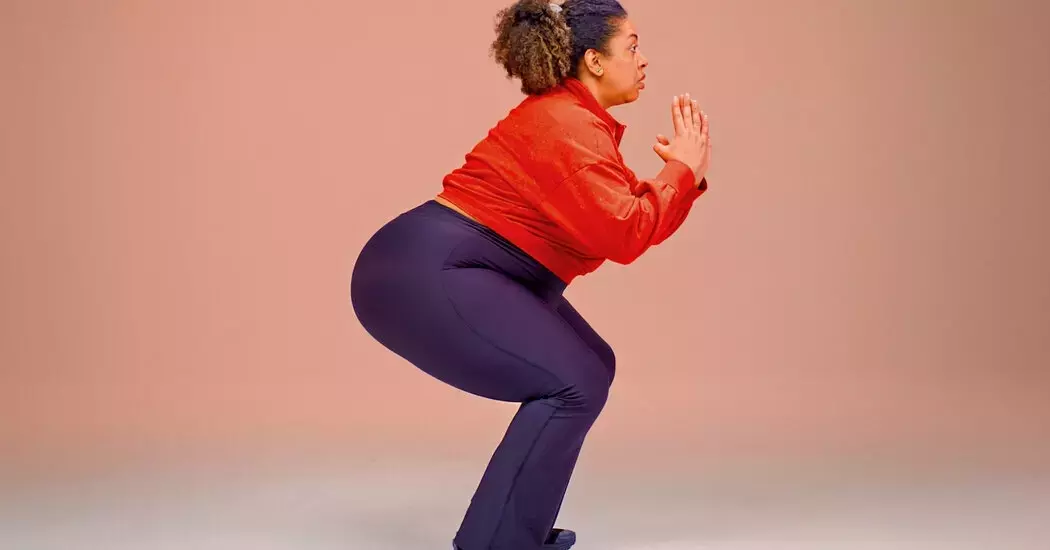
Balance training does not require elaborate equipment or acrobatic skills; it can begin right at home. Simple exercises performed regularly can make a substantial difference. For instance, a routine designed to assess and improve balance involves a series of beginner-friendly activities that take less than 10 minutes to complete. These exercises focus on strengthening muscles and enhancing stability. Even if someone fails an initial balance test, it's never too late to start improving. Consistent practice is key, especially for individuals over 50 who wish to maintain their independence and reduce the risk of falls.
Incorporating balance exercises into daily routines can yield long-term benefits. By addressing this often-neglected aspect of fitness, older adults can enhance their physical resilience and enjoy a healthier, more active lifestyle. Engaging in these simple yet effective practices can help break the cycle of inactivity and weakness, promoting better overall health and well-being.
