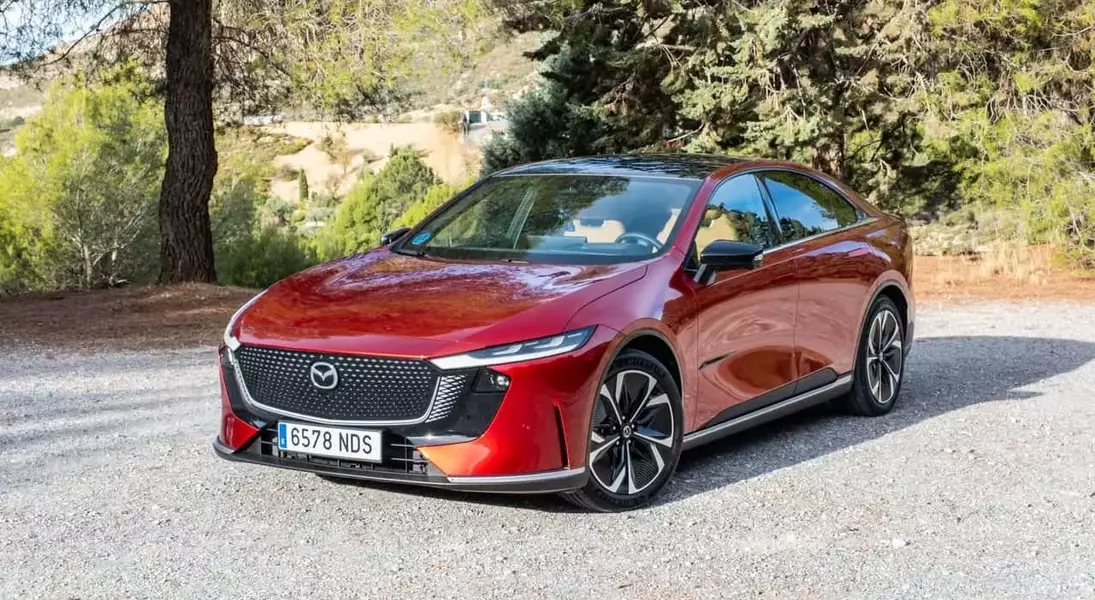
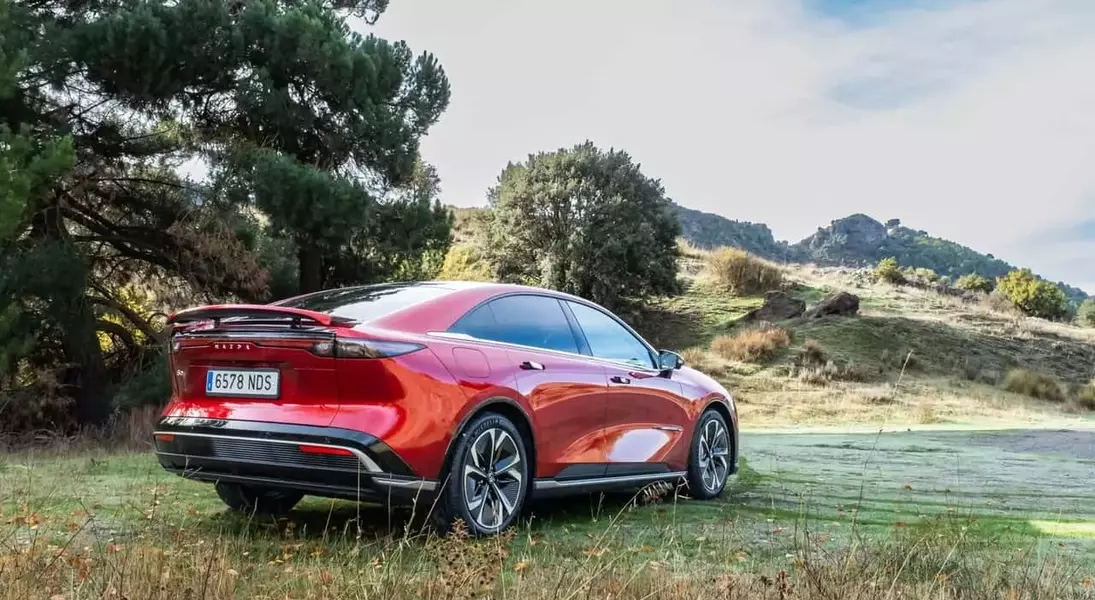
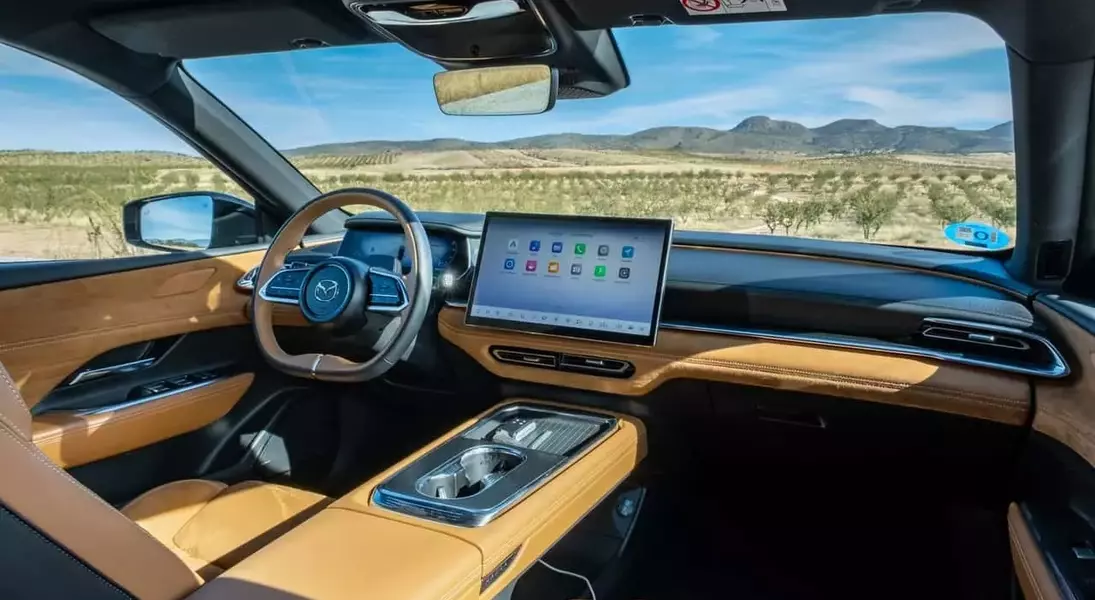
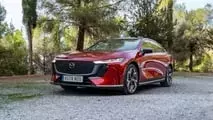

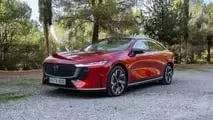
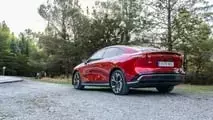

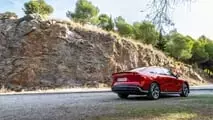
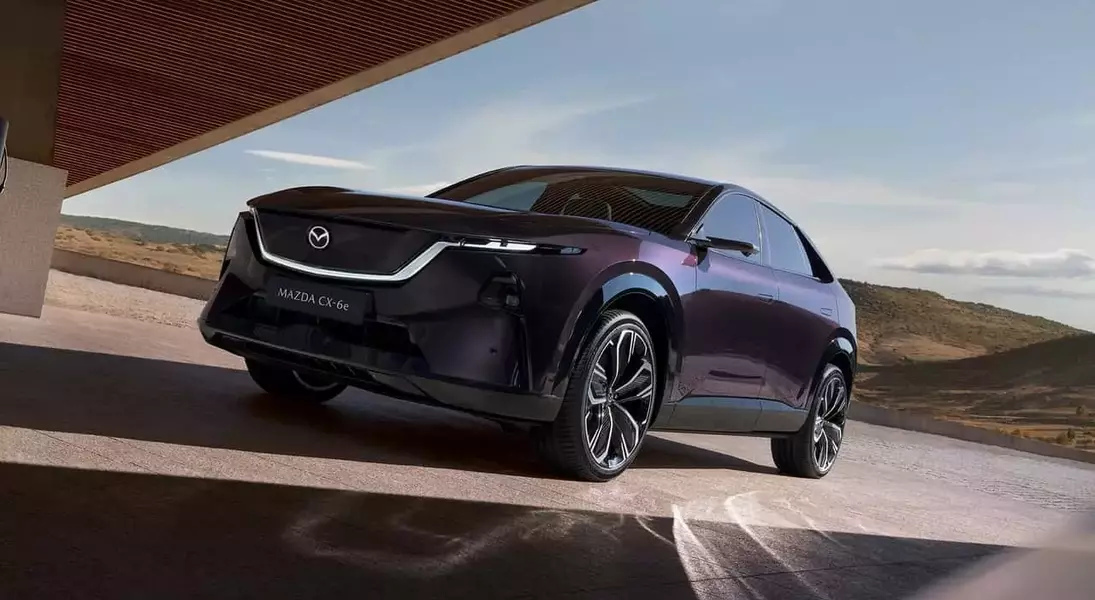


Mazda's electric vehicle, the 6e, has made a remarkable entry into the European market, drawing in over 7,000 customers within just five months of its debut last September. This success is particularly noteworthy as a significant portion of these new buyers, more than half, are switching from rival brands rather than being existing Mazda loyalists. This signals a promising trajectory for Mazda's electric strategy, especially after the lukewarm reception of its previous EV, the MX-30, which saw its production for Europe halted.
Mazda's Electric Sedan Captivates European Buyers, Challenging Established EV Brands
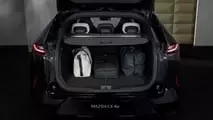
Since its launch in September of last year, Mazda's latest electric sedan, the 6e, has rapidly become a strong contender in the European electric vehicle market. In a compelling turn of events, this mid-size liftback, manufactured through the Changan-Mazda joint venture in China, has successfully attracted over 7,000 buyers in under five months. Initially, Mazda had anticipated that the majority of 6e purchasers would be existing customers transitioning to electric models. However, the data reveals a different story: over 50% of these new owners are migrating from other automotive brands. Martijn ten Brink, CEO of Mazda Europe, highlighted that a substantial number of these new clients are former owners of the Volkswagen e-Golf, choosing the more spacious 6e over Volkswagen's own ID.3 or ID.7. Additionally, some corporate fleets are opting for the 6e as a replacement for their combustion-engine Volkswagen Passats. The 6e's counterpart, the CX-6e SUV, is slated to arrive in Europe by summer, further expanding Mazda's electric footprint. Despite the success, Mazda Europe has clarified that range-extending versions of the 6e and CX-6e, which are available in China, will not be introduced in Europe due to high import tariffs and the niche market demand for such configurations.
This early success with the 6e is a vital step for Mazda, a company historically known for its combustion-engine vehicles. It helps mitigate the risk of incurring fines for exceeding the increasingly stringent EU fleet emission targets. The company is closely monitoring the sales performance of both the 6e and the upcoming CX-6e to determine its strategy for emissions credit pooling in 2026. For a relatively smaller automaker like Mazda, which lacks dedicated electric and internal combustion development teams, leveraging partnerships like the one with Changan is a pragmatic approach to accelerate its entry into the rapidly evolving EV sector. This strategic move ensures Mazda remains competitive in the electric vehicle landscape while it continues to develop its own bespoke EV platforms, with models like an electrified CX-5 featuring a new Skyactiv-Z gas engine and an in-house hybrid system anticipated by 2027.
