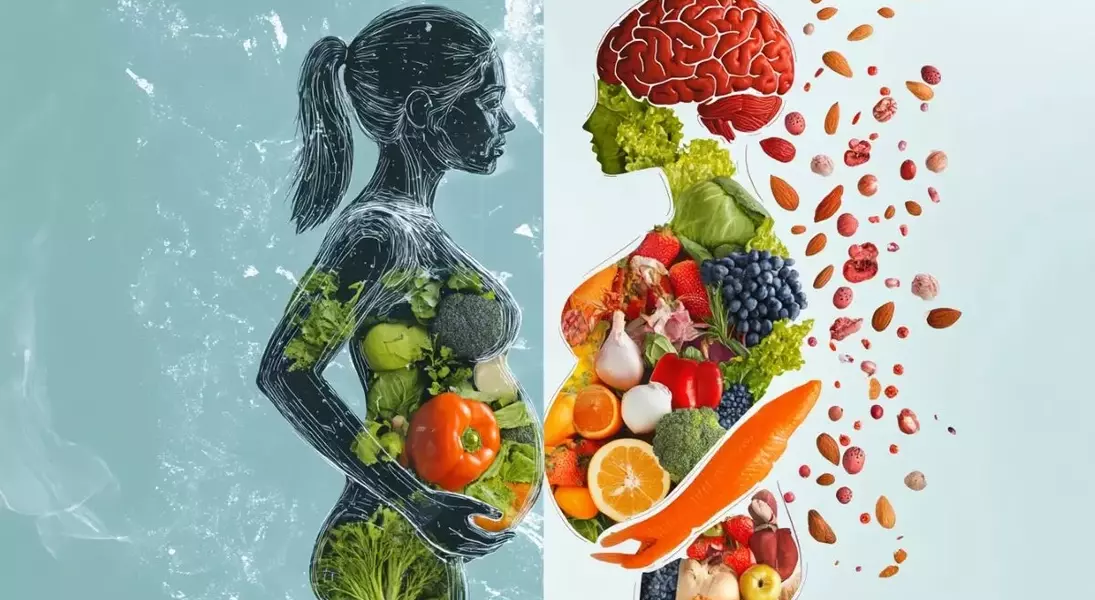
Pregnancy nutrition plays a crucial role in fetal brain development, and recent research underscores the impact of dietary choices on child health. A comprehensive study involving over 60,000 mother-child pairs reveals that a diet high in fat, sugar, and processed foods—commonly referred to as a Western diet—during pregnancy significantly increases the risk of neurodevelopmental disorders such as ADHD and autism in children.
The first trimester and early second trimester appear to be critical periods when maternal nutrition has the most significant influence on fetal brain development. Researchers identified specific blood metabolites associated with this dietary pattern, suggesting that even minor deviations from a balanced diet can have profound effects. The study indicates that slight shifts towards a more Western diet correlate with a substantial increase in neurodevelopmental risks. For instance, small changes in dietary habits were linked to a 66% higher risk of ADHD and a 122% higher risk of autism.
This research opens new avenues for preventive strategies. By understanding the link between maternal diet and neurodevelopmental outcomes, healthcare providers can offer targeted dietary recommendations to support healthier pregnancies. The findings highlight the importance of optimizing dietary patterns during pregnancy to promote better developmental outcomes for children. Emphasizing nutritious food choices not only benefits the mother but also lays a strong foundation for the child's future health and well-being. This study calls for a reevaluation of current dietary guidelines to ensure they are sufficiently robust and effective in promoting optimal fetal development.
