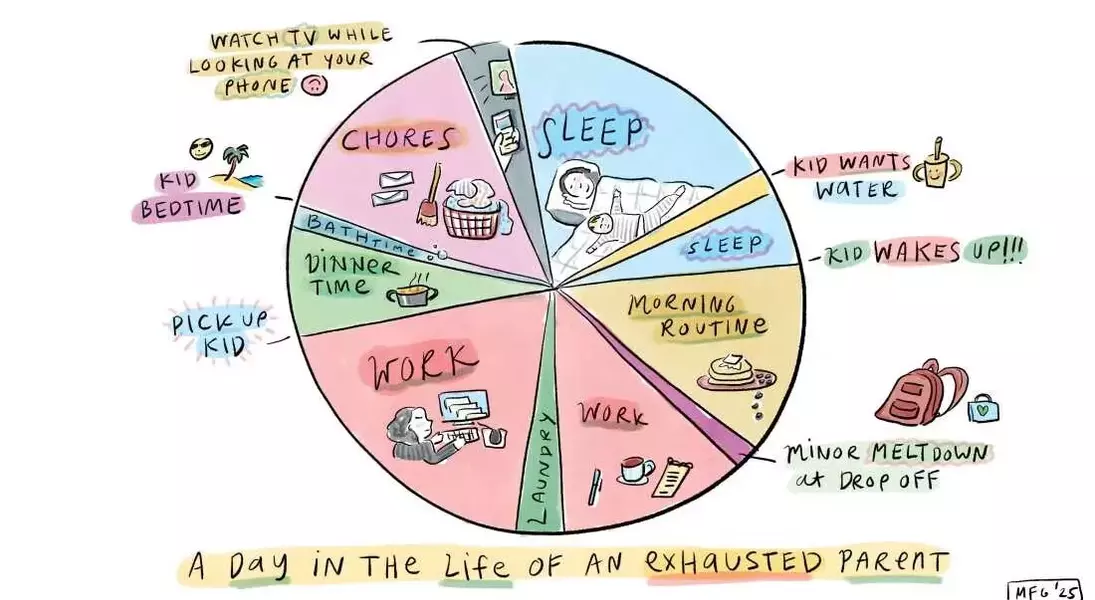
In today's fast-paced world, the demands on parents have escalated significantly. According to the U.S. Surgeon General’s 2024 advisory, modern parents are dedicating more time to childcare and work than they did two decades ago. This shift leaves less room for personal time, relationships, and leisure activities. The pressures of social media, school safety concerns, and children's mental health issues add to the anxiety. A 2023 survey by the American Psychological Association found that nearly half of all parents feel overwhelmed by stress on most days. Recognizing the signs of burnout and finding coping strategies can help prevent this daily pressure from escalating into a more serious issue.
Understanding the Modern Parent's Struggle
In the vibrant yet challenging landscape of contemporary family life, parents face unprecedented pressures. In the golden hues of autumn, as leaves fall gracefully, parents find themselves juggling multiple responsibilities. They are not only managing demanding careers but also ensuring their children's well-being and handling household duties. The U.S. Surgeon General’s 2024 advisory highlights that these increasing demands leave parents with little time for themselves, their partners, or leisure activities.
One significant concern is the growing mental load, particularly shouldered by mothers. Studies show that women bear approximately 71% of the invisible labor involved in planning, decision-making, and problem-solving within households. This imbalance contributes to parental burnout, a condition characterized by emotional exhaustion, physical fatigue, and an inability to enjoy family time.
To combat burnout, experts recommend recognizing red flags such as feeling constantly stressed, taking on most of the family's mental load, and lacking time for hobbies or self-care. Strategies include practicing mindfulness, delegating tasks, and prioritizing personal well-being. By addressing these issues proactively, parents can maintain healthier relationships and improve overall family dynamics.
From a journalist's perspective, this advisory serves as a wake-up call for society. It underscores the need for systemic changes and support structures to alleviate the burdens placed on modern parents. Encouraging open conversations about mental health and providing resources for self-care can foster a more balanced and supportive environment for families. Ultimately, acknowledging and addressing parental burnout is crucial for the well-being of both parents and children.
