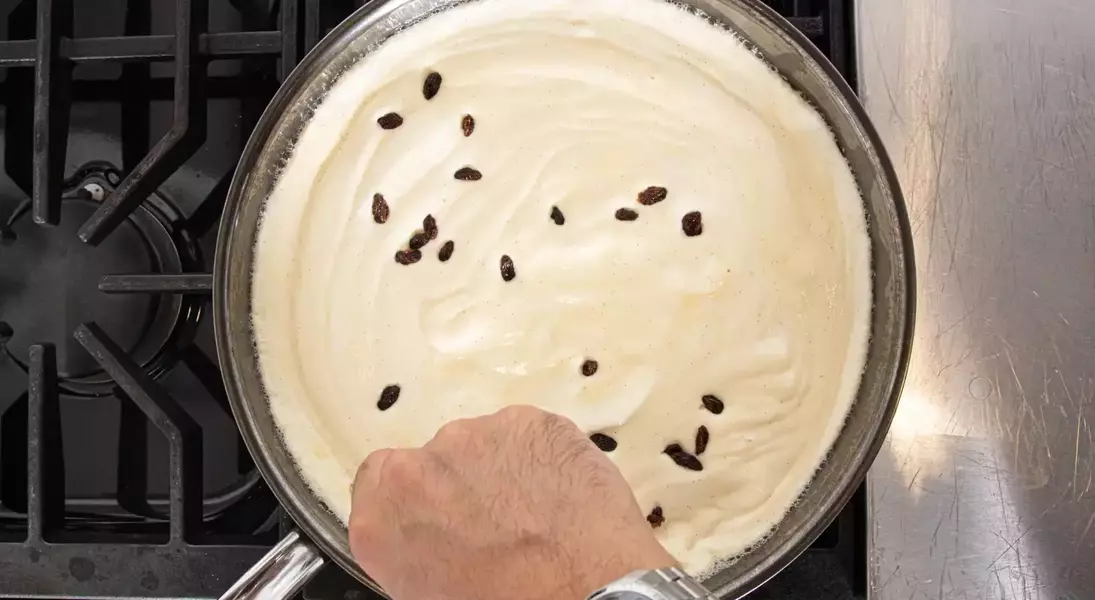
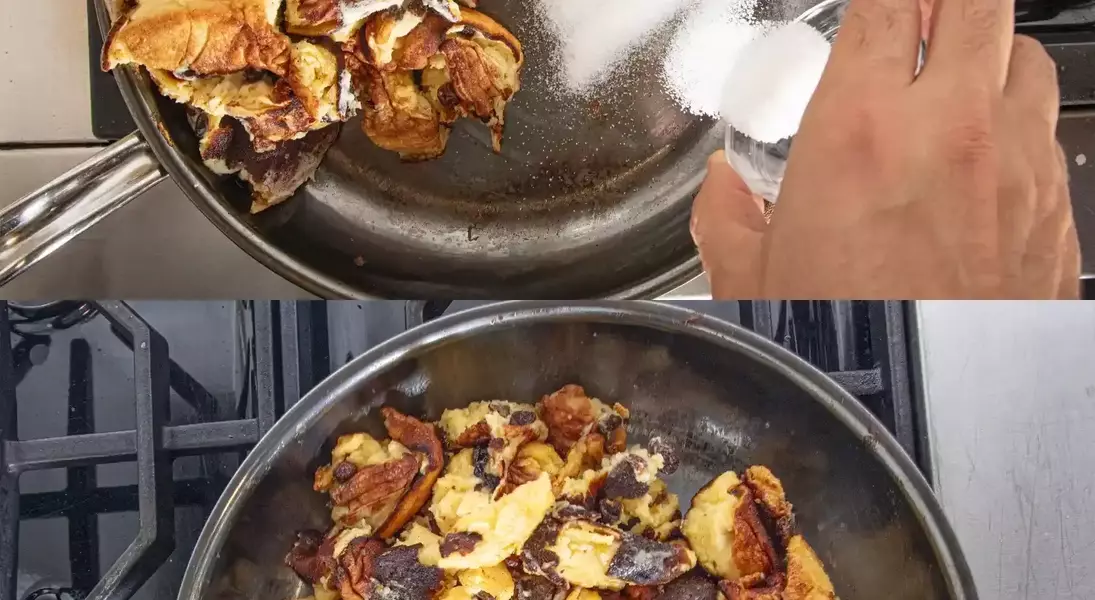
Kaiserschmarrn, a celebrated Viennese delicacy, stands out as a unique pancake dish known for its fluffy, torn pieces and sweet caramel glaze. This article delves into the fascinating history and innovative techniques behind preparing this iconic dessert, which strikes a perfect balance between refined flavors and comforting simplicity.
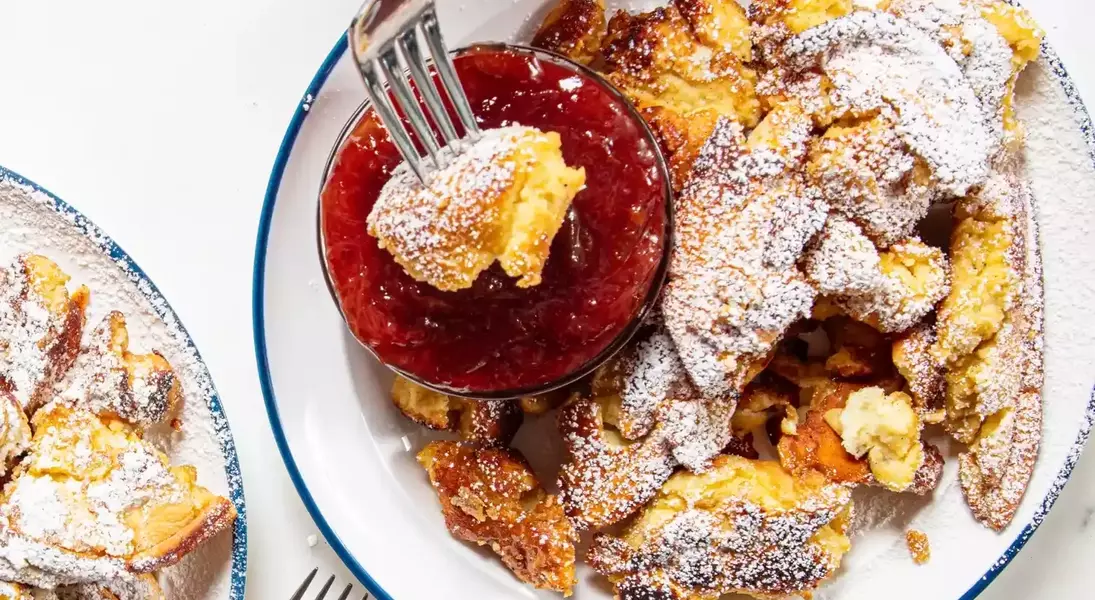
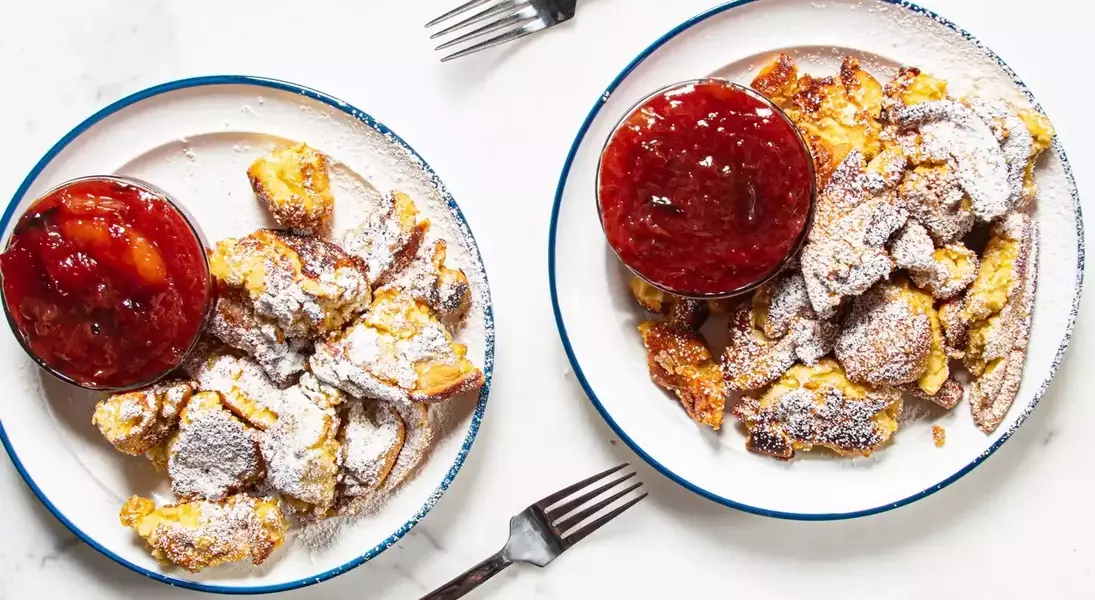
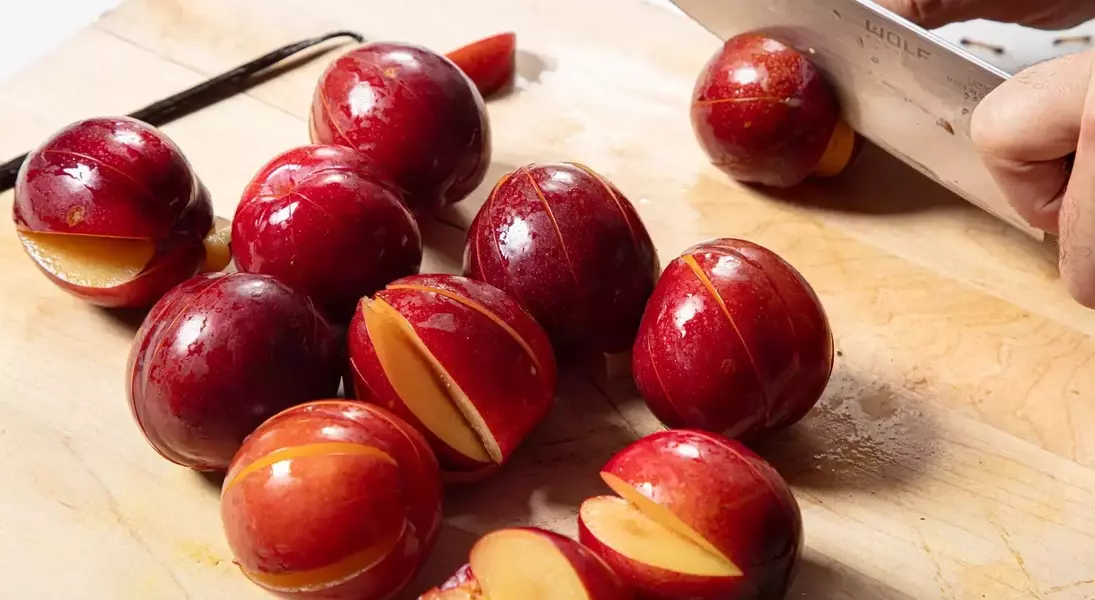
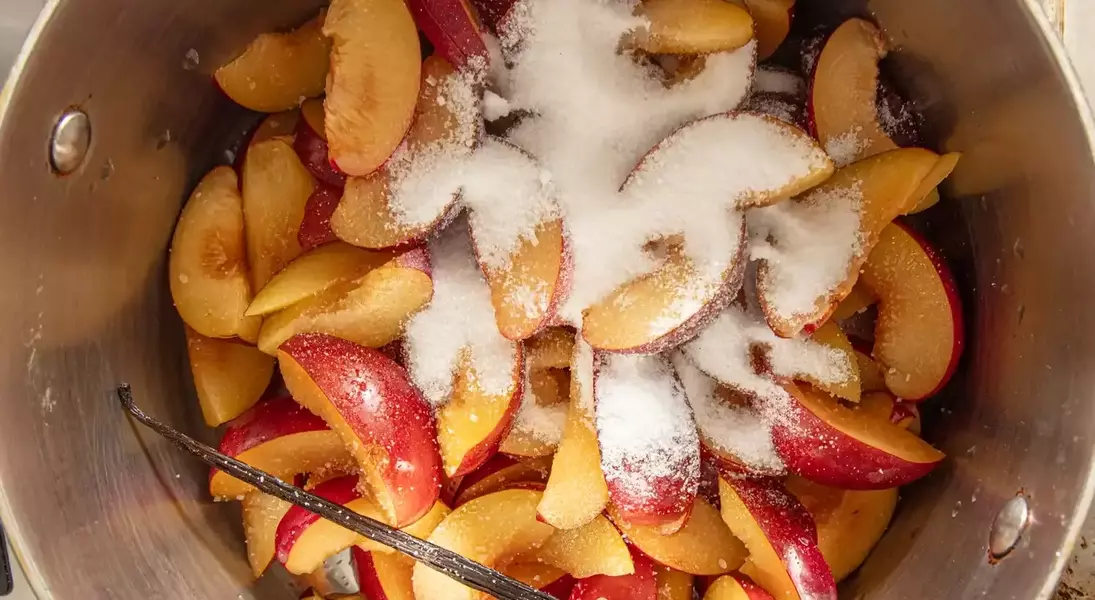
Originating from the imperial courts of Austria, Kaiserschmarrn, meaning "emperor's mess," beautifully marries aristocratic elegance with a rustic, playful presentation. Its distinct texture, achieved through carefully beaten egg whites and a rapid caramelization process, sets it apart from conventional pancakes. Whether served as a delightful dessert or a satisfying meal, this dish offers a versatile culinary experience, often accompanied by a vibrant plum compote that complements its rich flavors.
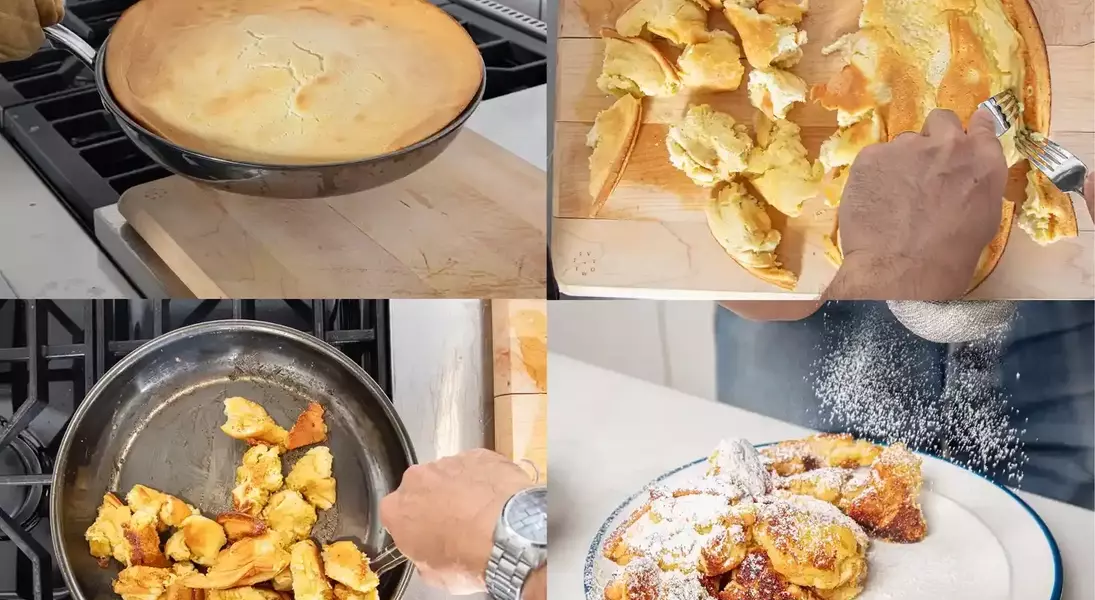
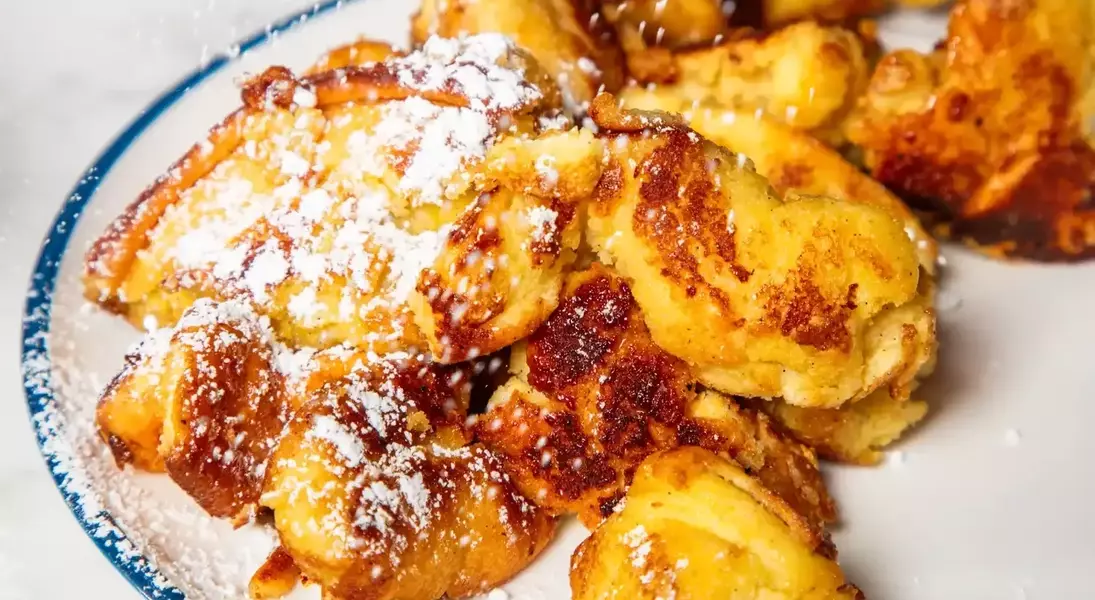
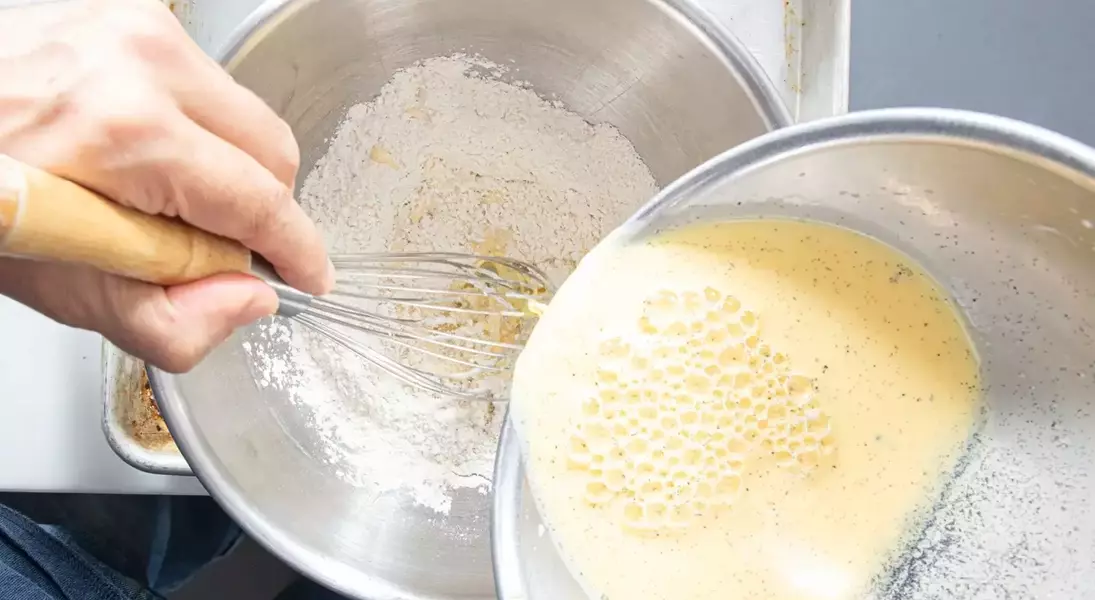
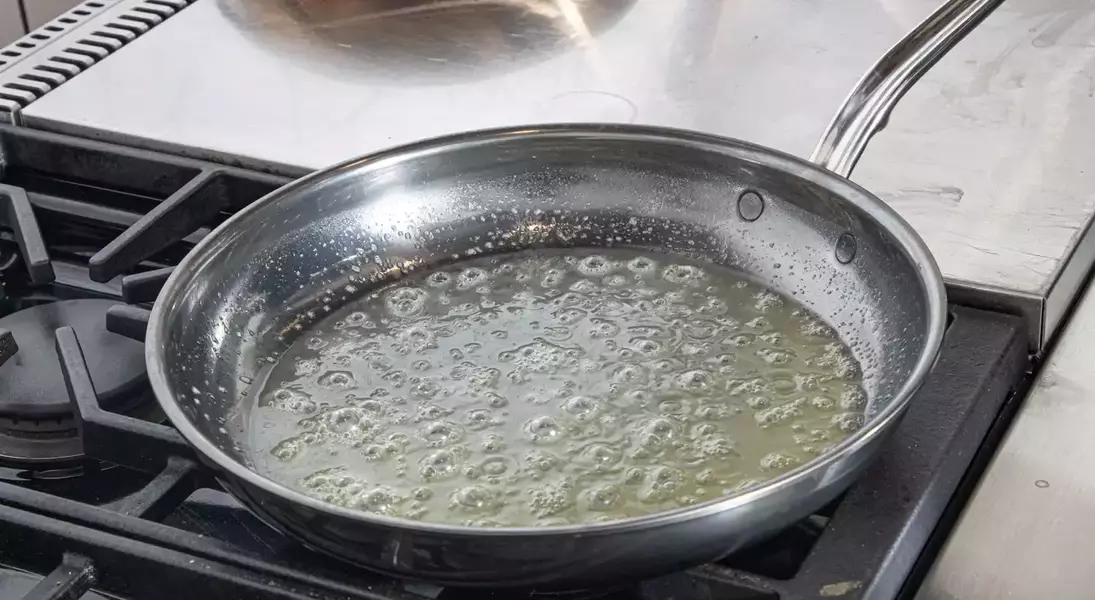
To truly master Kaiserschmarrn, understanding the crucial role of its meringue-like batter and the choice between stovetop and oven cooking is essential. Incorporating sugar into the egg whites creates a stable yet pliable foam, allowing the pancake to achieve a light, airy crumb that withstands the tearing process. The stovetop method yields a deeply browned, crispy exterior, while oven baking results in a softer, more soufflé-like texture. Each approach offers a distinct charm, providing flexibility for home cooks to tailor the dish to their preferred consistency.
Kaiserschmarrn is more than just a dessert; it embodies a tradition of culinary excellence and the joy of simple, heartfelt food. Its ability to delight with diverse textures and rich flavors, while embracing a playfully imperfect presentation, makes it a dish that brings smiles to faces, echoing childhood memories of warm, comforting meals.
