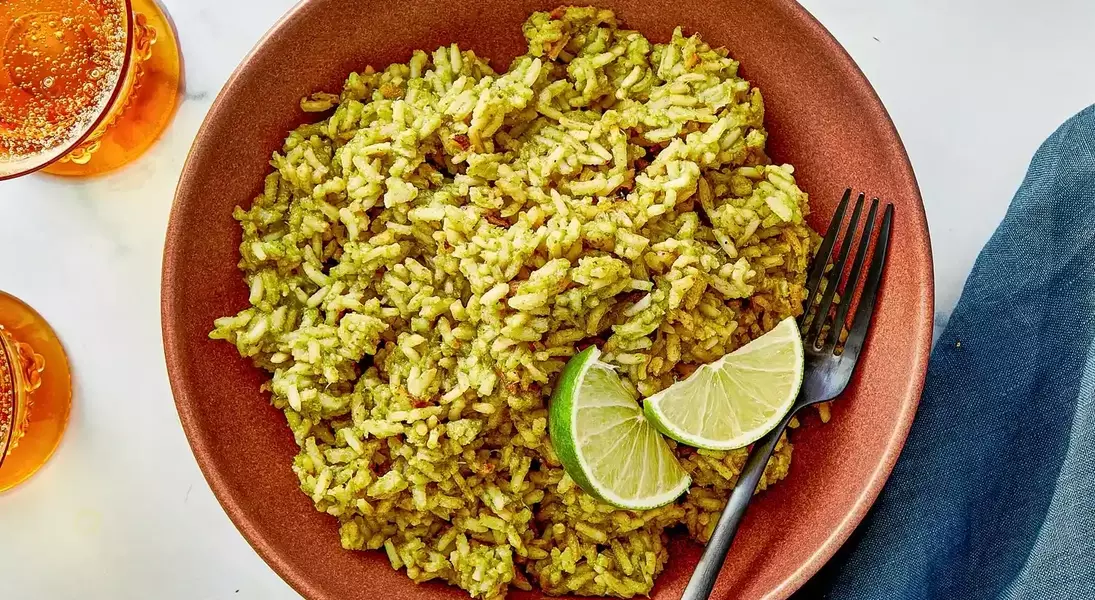
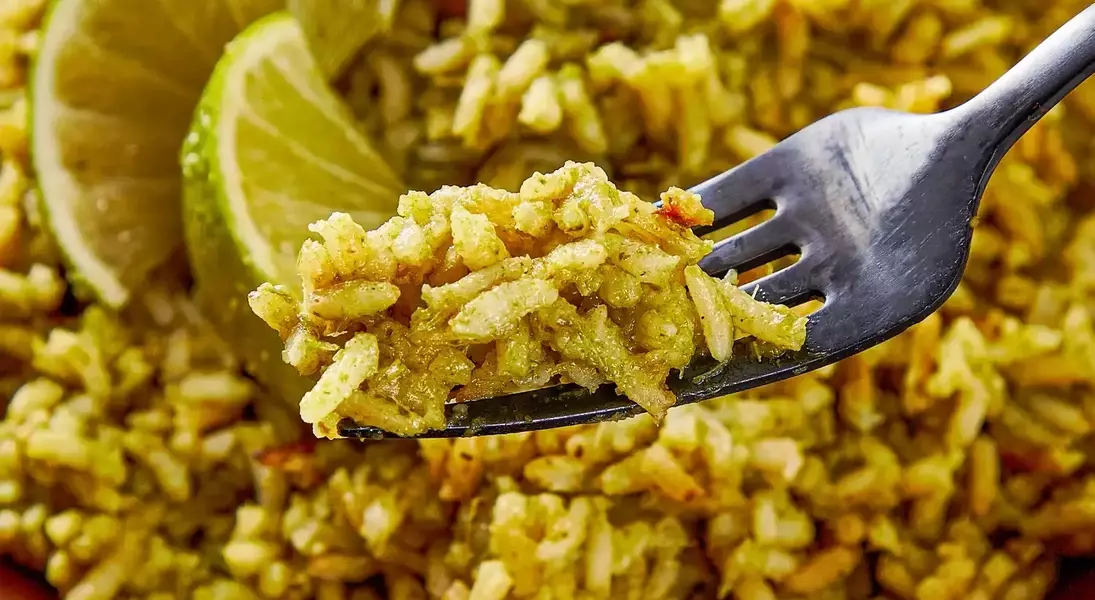

This comprehensive guide delves into the creation of Arroz Verde, a captivating Mexican green rice dish that brings a fresh, earthy dimension to any meal. Unlike its more famous red counterpart, this verdant rice is a hidden gem, offering a unique blend of cilantro, parsley, and chiles. The methodology focuses on developing a deep flavor foundation through confit-style preparation of aromatics, precise rice-frying techniques, and the critical step of undisturbed steaming, culminating in a perfectly fluffy and fragrant side.
While Mexican red rice, or arroz rojo, frequently garnishes plates alongside popular dishes like enchiladas and pollo asado, arroz verde, its green cousin, tends to be less known. This vibrant rice traditionally derives its hue and taste from green ingredients such as poblano or jalapeño chiles, various green herbs, or leafy greens like spinach. However, it's an incredibly adaptable recipe that welcomes a variety of aromatic greens from your kitchen, including mint, dill, basil, or scallions, making it ideal for utilizing fresh produce.
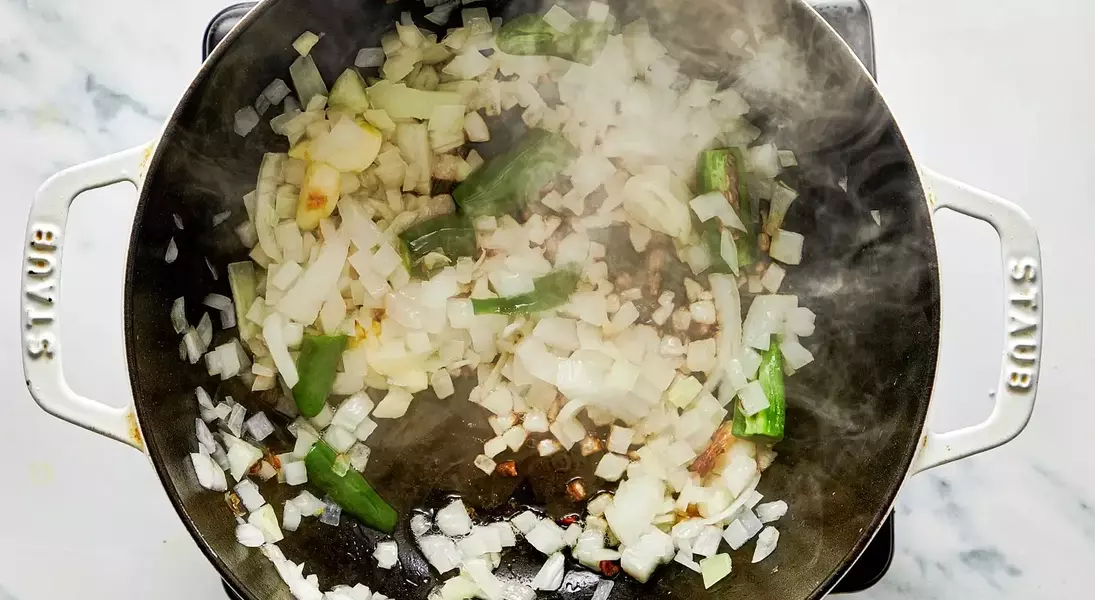
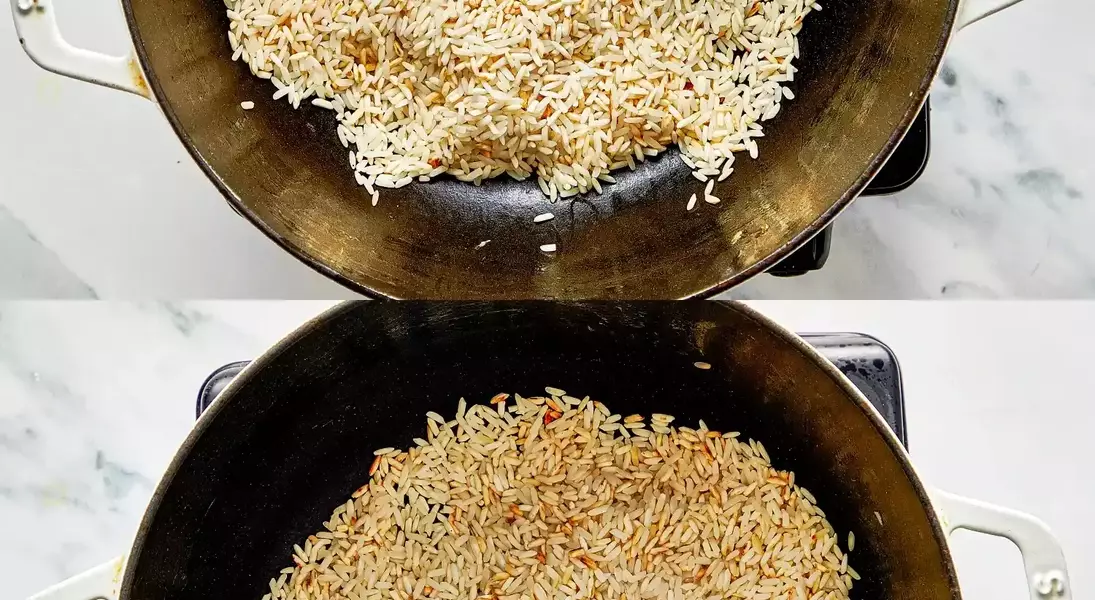
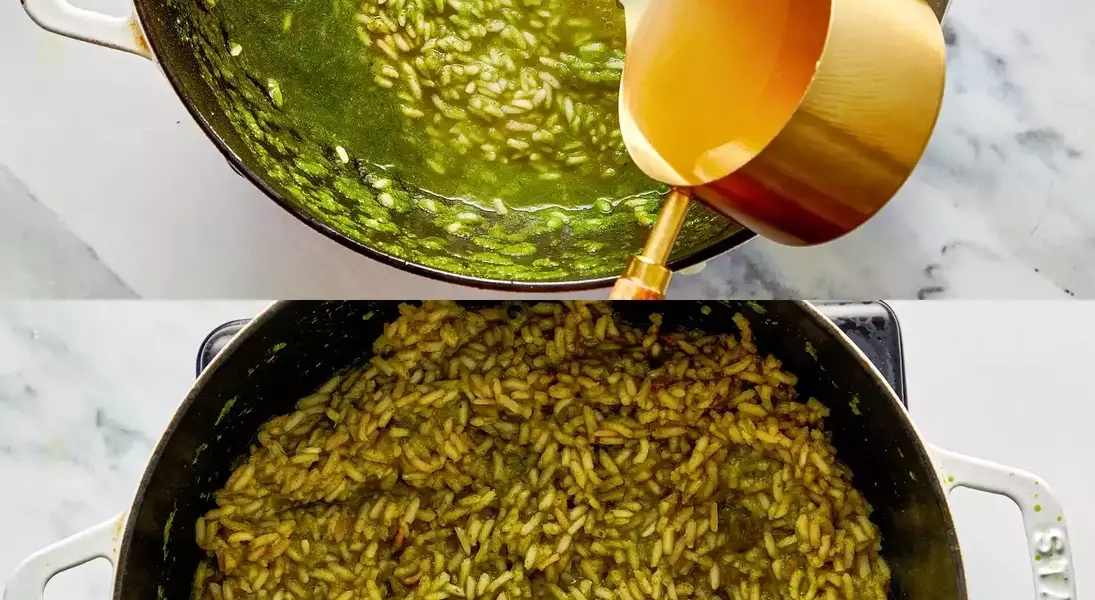
A critical initial step in preparing both Mexican red and green rice involves sautéing the uncooked grains in oil. This process serves a dual purpose: it imbues the rice with a warm, toasted flavor base and helps maintain the integrity of each grain, preventing them from clumping together. For this particular green rice variant, the flavor development is enhanced by first gently cooking onions, garlic, and serrano chiles in oil. This slow cooking method softens their intensity, transforming the onion and garlic into a sweet, rich paste, while the chiles infuse the oil with a fragrant, subtle heat. These softened ingredients are then blended with fresh herbs and a touch of broth to create a vivid green purée, forming the aromatic core of the dish.
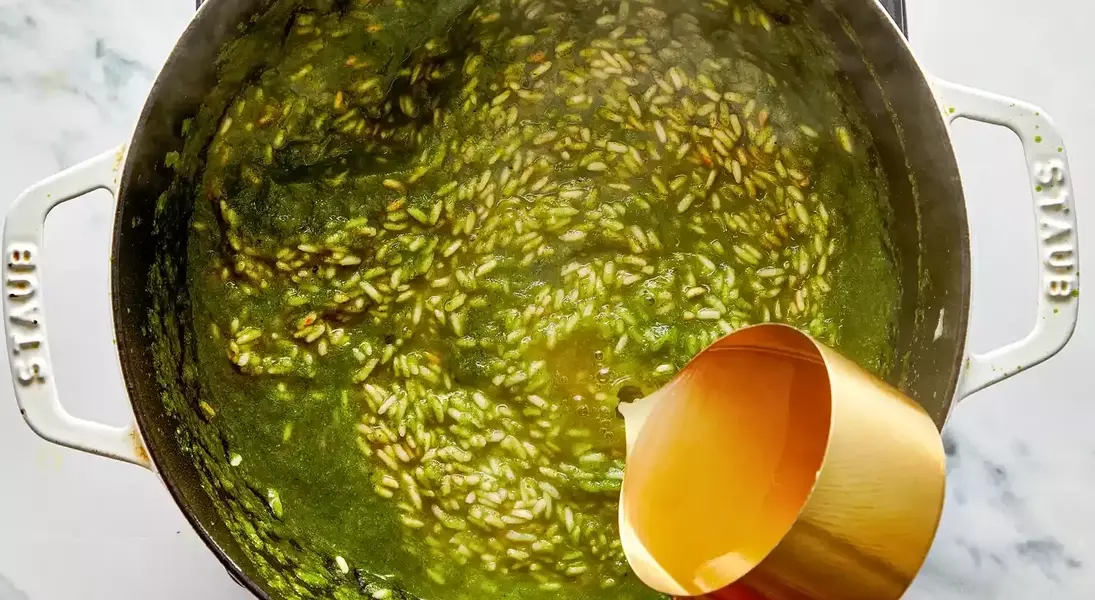
After the herb mixture is incorporated, the rice is brought to a simmer with additional liquid. Maintaining the correct rice-to-liquid ratio, typically 1 cup of rice to 1.5 cups of total liquid, is crucial for achieving fluffy, thoroughly cooked grains. This ratio allows the rice to absorb moisture and flavors without becoming waterlogged. Once the liquid has mostly been absorbed and steam production minimizes, the pot is removed from heat and allowed to rest, covered, for 10 to 20 minutes. This resting period is vital, as the trapped residual steam gently and uniformly finishes the cooking process. It is important to resist the urge to lift the lid or disturb the rice during this time, ensuring maximum steam absorption and a perfect texture.
Arroz verde is remarkably versatile, serving as an excellent accompaniment to a wide range of dishes. Its delicate herbal notes complement mild foods such as seafood or braised vegetables. However, its use isn't confined to Mexican meals; it pairs equally well with curries, stir-fried meats, roasted chicken, and rich stews. Whenever you might typically opt for plain rice, this bright, green, and aromatic alternative offers a boost of flavor and character.
