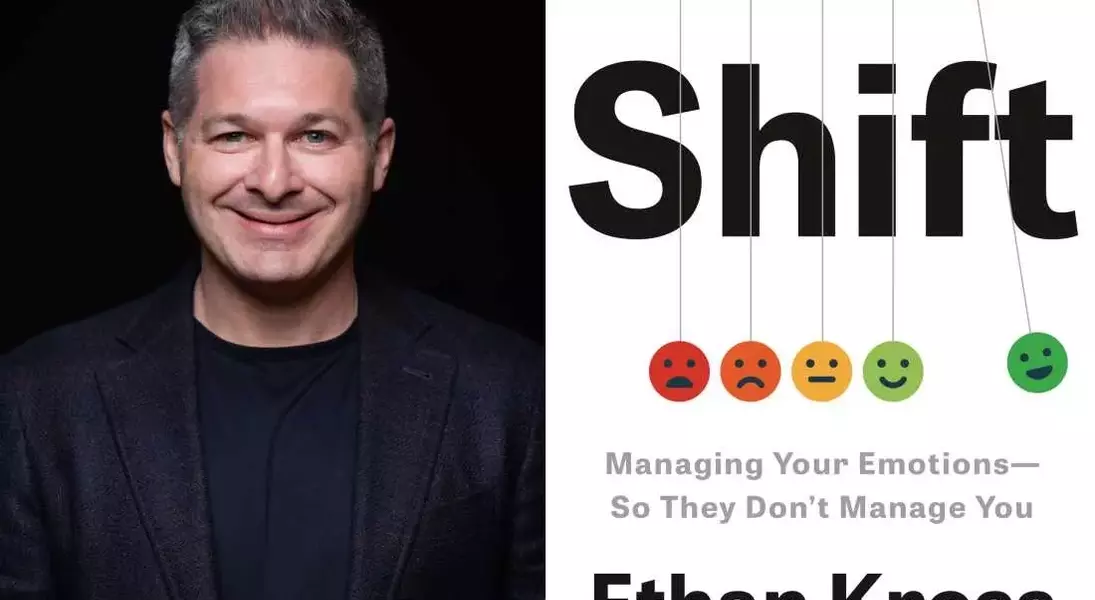
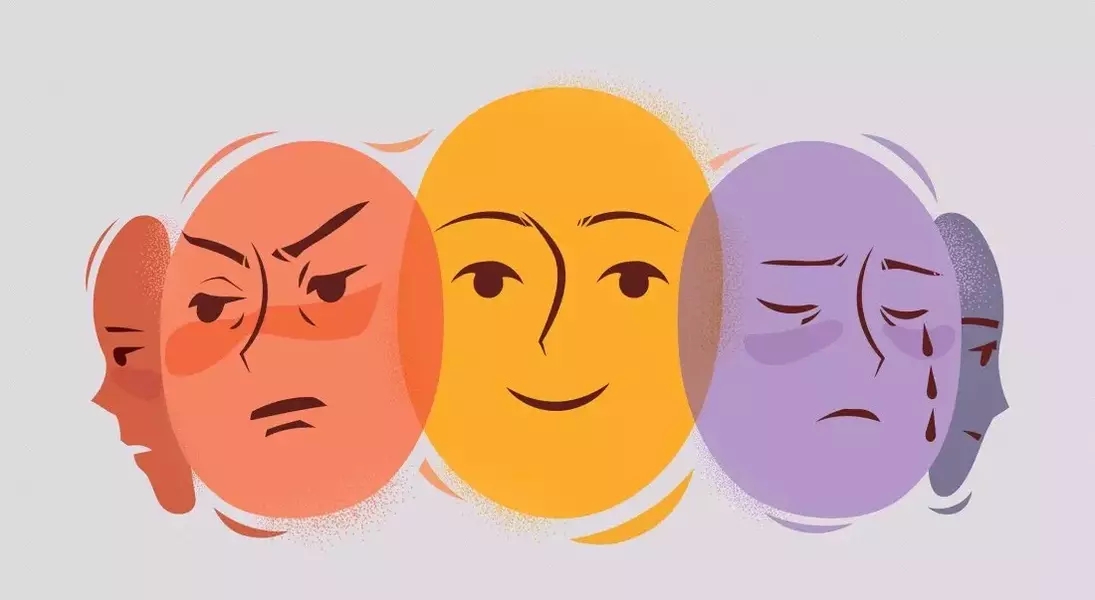
In a recent discussion with psychologist and neuroscientist Ethan Kross, the importance of managing emotions effectively is highlighted. Kross emphasizes that all emotions, including those often perceived as negative, offer valuable insights. The key lies in learning how to regulate these emotions so they don't overwhelm us. By understanding when to confront or distance ourselves from our feelings, we can better navigate life's challenges. Kross provides practical tools and strategies to help individuals control their emotional responses, ensuring they remain productive and beneficial.
Understanding the Power of Emotions
Emotions serve as essential guides in our lives, helping us make sense of experiences and react appropriately. However, when emotions become too intense or insufficiently felt, they lose their utility. Kross explains that we have the ability to adjust the intensity of our emotional reactions to suit our needs. This involves recognizing when it's beneficial to delve deeper into an emotion or when it's wise to set it aside temporarily. The goal is to use emotions constructively without letting them dictate our actions.
Kross elaborates on the idea that emotions are not inherently good or bad but rather provide information that can be harnessed for personal growth. For instance, after a breakup, one might feel heartbroken, confused, and angry. Instead of being overwhelmed by these feelings, Kross suggests using them as signals to understand what went wrong and how to move forward. He advocates for a balanced approach where emotions are acknowledged and managed thoughtfully, allowing individuals to gain clarity and find resolution. This process empowers people to take control of their emotional responses rather than being controlled by them.
Practical Tools for Emotional Regulation
One of the central themes in Kross's work is the importance of having practical tools to manage emotions. These tools enable individuals to prolong or shorten the duration of an emotional response or shift from one emotion to another. Kross highlights the value of strategic avoidance—taking a break from intense emotions to gain perspective. This approach contrasts with the common belief that confronting emotions immediately is the only way to resolve them. Instead, Kross argues that sometimes stepping away allows for better processing later.
To illustrate, Kross discusses the effectiveness of seeking support from friends. While venting can sometimes exacerbate negative feelings, constructive conversations can lead to reframing experiences positively. A supportive friend can help reframe situations, offering new perspectives that aid in emotional regulation. Additionally, changing environments can significantly impact mood. Visiting comforting places, such as a favorite café or park, can provide emotional restoration. Kross also introduces the WOOP strategy, which stands for Wish, Outcome, Obstacle, Plan. This method helps set goals around emotional regulation by identifying desires, potential outcomes, obstacles, and actionable plans. For example, if someone wishes to avoid overreacting to a child’s misbehavior, they can plan a timeout to regain composure. By rehearsing this plan, it becomes easier to implement during challenging moments, making emotional regulation more automatic and effective.
