
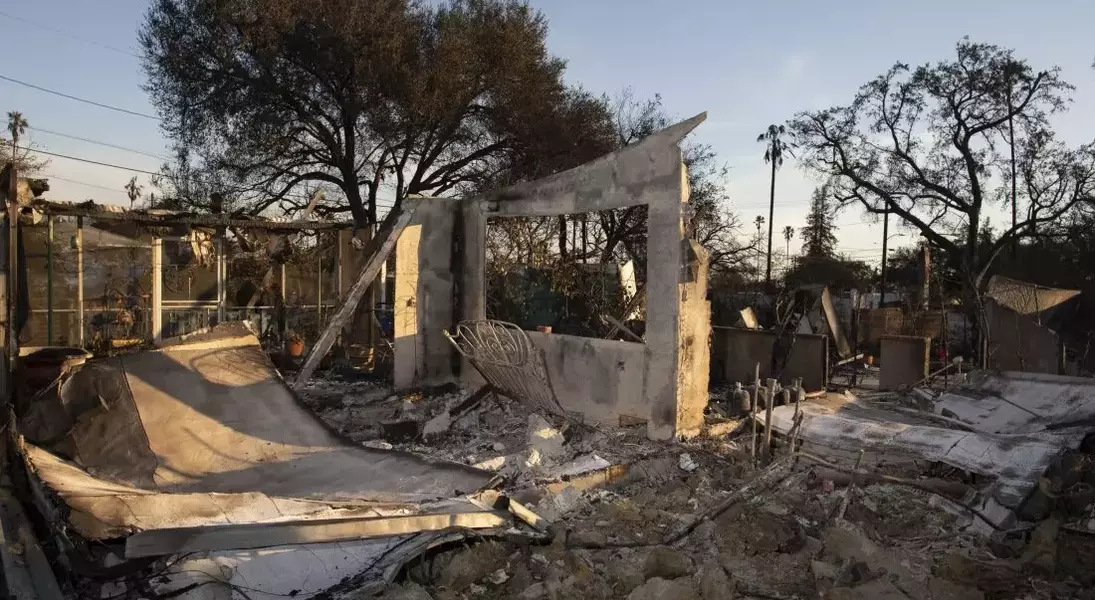


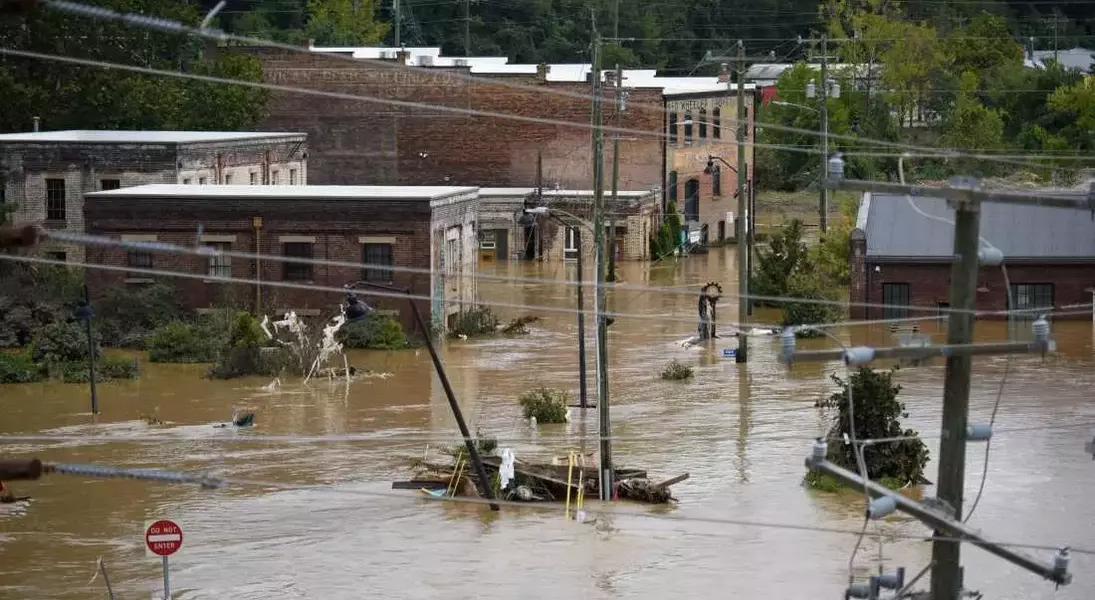
In recent months, the devastating effects of natural disasters such as Hurricane Helene and wildfires in Los Angeles have underscored the critical need for immediate mental health support. Frontline workers trained in Psychological First Aid (PFA) have emerged as indispensable resources for survivors, offering a structured approach to address trauma and mitigate long-term psychological damage. This innovative mental health intervention has its roots in tragic events like the 1995 Oklahoma City bombing, which exposed significant gaps in disaster response protocols. Over two decades later, PFA has become a cornerstone of crisis management, helping millions of individuals navigate the aftermath of life-altering events.
Responding to Crisis with Compassion and Skill
In the wake of the wildfires that ravaged Los Angeles in January and the catastrophic floods caused by Hurricane Helene in September, countless lives were upended. Among those affected were Robin Gurwitch, a psychologist who witnessed the Oklahoma City bombing firsthand, and Cheryl Antoncic, a restaurant owner in Asheville, North Carolina. Both have played pivotal roles in shaping and disseminating Psychological First Aid.
Gurwitch, now based at Duke University, recalls how the bombing catalyzed her career. In the immediate aftermath, she found herself unprepared to deal with the collective trauma. Seeking guidance from experts across the country, she co-developed best practices that would evolve into PFA. This method emphasizes listening, meeting immediate needs, and providing a safe space for survivors to process their experiences.
In Asheville, Antoncic applied her training during Hurricane Helene. Her restaurant became a hub for distributing meals and offering comfort to flood victims. She emphasized the importance of asking survivors about their needs rather than making assumptions. "Just sitting with someone and offering them something to eat can go a long way," she noted. Antoncic’s efforts exemplify how everyday people can make a profound difference through compassionate actions.
The city of Los Angeles also mobilized quickly, opening three crisis centers staffed with mental health responders trained in PFA. Deputy Director Miriam Brown oversaw these centers, where hundreds of displaced individuals received crucial support. The focus was on creating a calming environment and guiding survivors through their next steps, ensuring they felt supported and oriented.
April Naturale, a clinical social worker, highlighted the risks of becoming psychologically dysregulated in crisis situations. Even trained professionals can struggle to think clearly under extreme stress. PFA provides a reliable framework to maintain stability and make sound decisions during chaotic times.
Reflecting on the Impact of Psychological First Aid
From the perspective of a journalist, it is clear that Psychological First Aid represents a significant advancement in disaster response. By prioritizing immediate emotional and psychological support, PFA helps prevent further trauma and promotes healing. The lessons learned from past tragedies continue to inform and improve this practice. As researchers delve deeper into the science of trauma, the hope is that future interventions will be even more effective.
Ultimately, Psychological First Aid reminds us of the power of human connection and empathy. In moments of crisis, simple acts of kindness—like offering food or a listening ear—can have profound impacts. The resilience and compassion demonstrated by frontline workers and community members alike offer a beacon of hope in the face of unimaginable adversity.
