

Preparing a cantaloupe can elevate your summer culinary experiences, turning a simple fruit into a versatile ingredient for everything from refreshing salads to savory accompaniments. This detailed guide simplifies the process, breaking down each step to ensure both safety and efficiency in your kitchen. From the initial cleansing of the fruit to the final precise cuts, you'll gain the confidence to transform a whole cantaloupe into perfectly sized portions, ready to be enjoyed or incorporated into your favorite recipes. The focus is on creating a seamless and enjoyable fruit preparation journey, enhancing your appreciation for this sweet, juicy melon.
Achieving perfectly prepared cantaloupe for any occasion is a skill easily mastered with a clear, step-by-step approach. This guide is designed to walk you through the essential stages of preparing this versatile fruit, starting with proper hygiene and moving to the precise techniques required for cutting. By following these instructions, you will learn how to handle a cantaloupe safely, ensuring that every slice is clean and every piece is uniformly shaped. This detailed methodology guarantees that whether you're aiming for elegant wedges for a breakfast spread or bite-sized cubes for a vibrant fruit salad, your cantaloupe will be ready to serve with minimal effort and maximum appeal.
Essential Steps for Preparing Cantaloupe
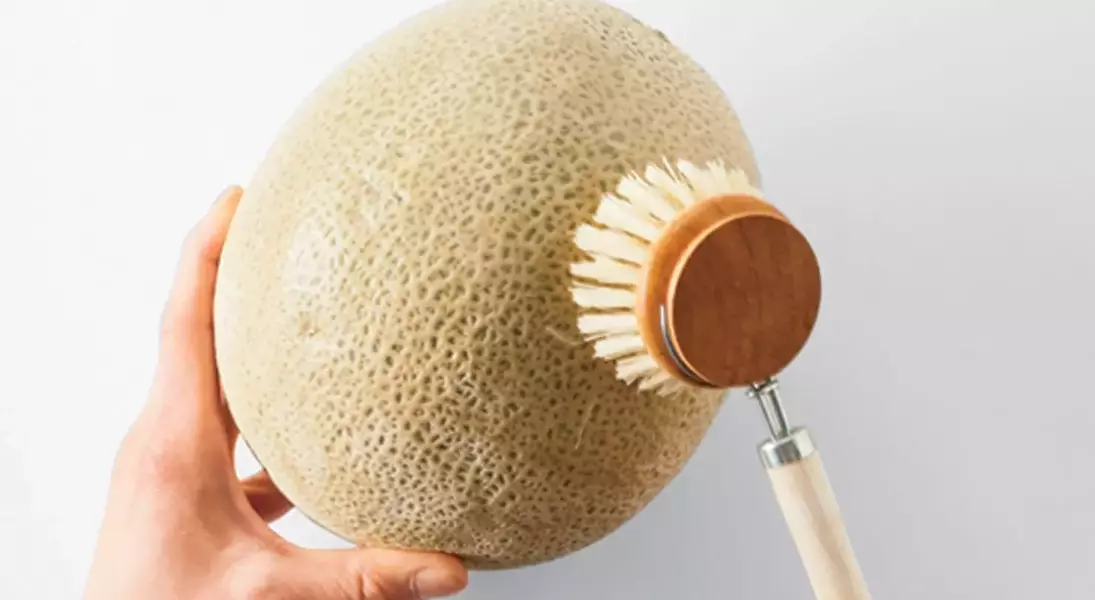
Before any cutting begins, the initial and most crucial step is to thoroughly cleanse the cantaloupe's exterior. This proactive measure is vital because melons undergo various stages of handling and exposure to dirt before they reach your home. By diligently washing the rind, you significantly reduce the risk of transferring unwanted bacteria from the fruit's surface to its edible flesh during the slicing process. This simple act of hygiene is a cornerstone of safe food preparation, safeguarding the freshness and purity of the cantaloupe you are about to enjoy, making sure every bite is as clean as it is delicious.
The preparation journey begins with ensuring the melon's surface is impeccably clean. It's imperative to understand that cantaloupes, from farm to kitchen, come into contact with numerous surfaces and hands, accumulating dirt and potential contaminants. Therefore, a thorough washing of the rind is not merely a recommendation but a critical safety step. Using a vegetable scrub brush and cool running water, gently but firmly scrub the entire surface of the cantaloupe. This action dislodges any trapped dirt or microbes, preventing them from contaminating the sweet, orange flesh once you start cutting. This diligent pre-cutting wash acts as a protective barrier, ensuring that the fruit remains safe and hygienic for consumption, ready for you to proceed with the next steps of peeling and slicing without concern.
Techniques for Peeling and Slicing
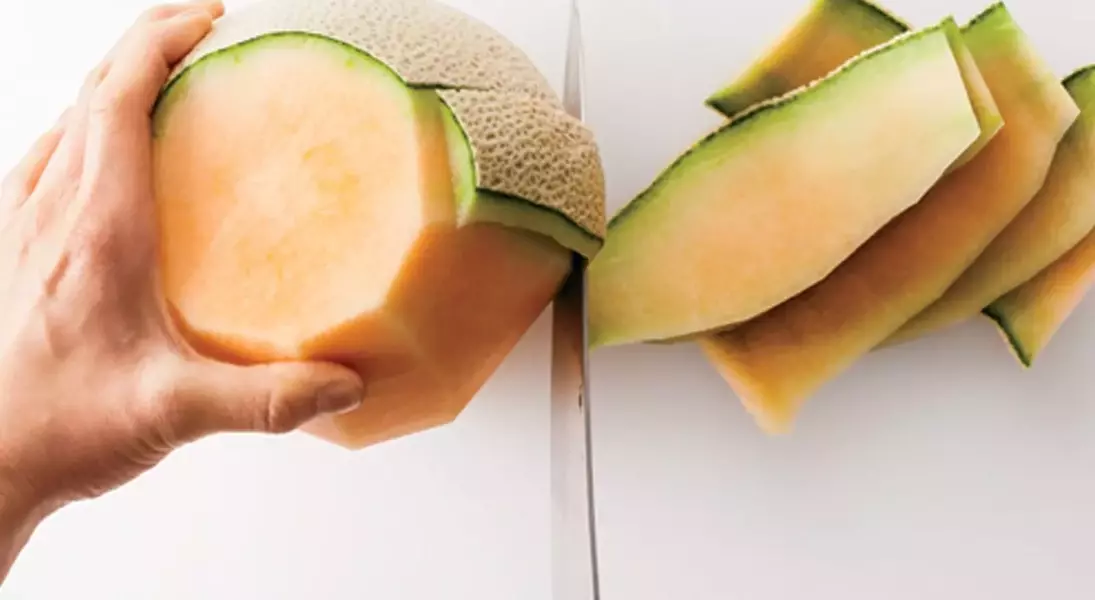
Once the cantaloupe is clean, the next phase involves expertly removing the peel and segmenting the fruit. Begin by trimming about one inch off each end of the melon to create flat, stable bases. This stability is crucial for safety and ease as you stand the melon upright on your cutting board, preventing it from rolling. Using the natural curve of the melon as a guide, carefully slice downwards to remove the rind in strips, ensuring your cuts are deep enough to eliminate all the firm, pale green layer beneath the netted skin, revealing the vibrant orange fruit. After peeling, halve the melon either lengthwise for elongated wedges or crosswise for a rounder, half-moon shape. Then, with a large spoon, scoop out and discard the seeds and pulp, or set them aside for use in beverages. Finally, cut the melon halves into wedges of your desired thickness, or further dice them into smaller chunks for fruit salads or other dishes.
After thoroughly cleaning the cantaloupe, proceed to prepare it for cutting. First, carefully trim approximately one inch from both ends of the melon. This action creates stable, flat surfaces, allowing you to confidently place the cantaloupe upright on a cutting board without it wobbling, which significantly enhances safety. Next, using a sharp chef’s knife, follow the melon's natural contours to slice off the rind. It's important to cut sufficiently deep to remove not just the outer skin but also the underlying pale green layer, exposing the bright orange flesh beneath. Should any green spots remain, simply re-trim those areas. Once peeled, determine your preferred slicing style: a lengthwise cut will yield elegant, long wedges, while a crosswise cut results in more compact, half-moon shapes. With the melon halved, use a large spoon to efficiently scoop out and either discard or reserve the seeds and any fibrous pulp for future use in smoothies or drinks. The final step involves slicing the melon into wedges of your chosen thickness, or further subdividing these wedges into convenient bite-sized cubes, perfect for a variety of culinary applications.
