
A recent invention by 18-year-old Mia Heller, a high school student, has brought renewed attention to the issue of microplastics in our environment. Heller developed an affordable water filter capable of removing up to 95% of microplastics from water, a significant advancement in environmental health. Beyond her innovative creation, Heller also offers practical, everyday strategies to minimize personal exposure to these ubiquitous particles.
Heller's primary recommendation is to avoid reheating food in plastic takeout containers. She highlights that these containers often contain not only microplastics but also harmful PFAS chemicals, which can leach into food when heated. Instead, she advises transferring food to microwave-safe bowls for reheating. This simple swap can significantly reduce chemical exposure from food packaging.
Another crucial piece of advice from Heller concerns plastic water bottles. She warns against leaving water in plastic bottles, especially in warm conditions or direct sunlight. Heat accelerates the breakdown of plastic, increasing the likelihood of microplastics and other chemicals contaminating the water. The labels on these bottles, which often instruct users to 'keep in a cool dry place away from direct sunlight,' exist for a valid reason. She suggests opting for reusable, non-plastic water bottles to circumvent this problem entirely and maintain beverage quality.
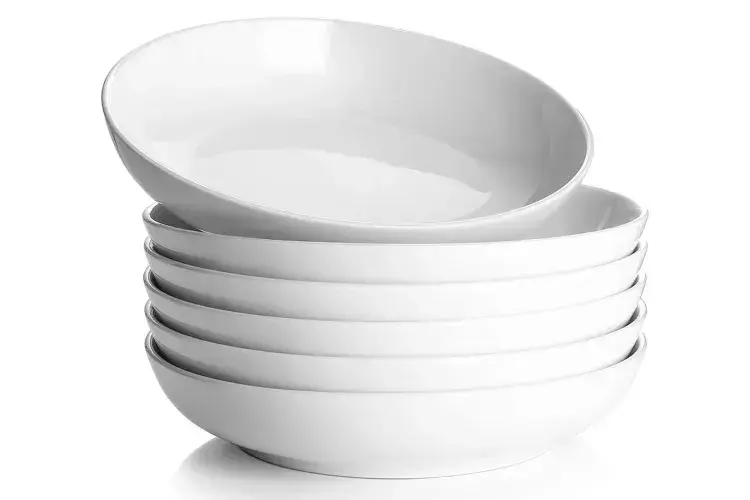
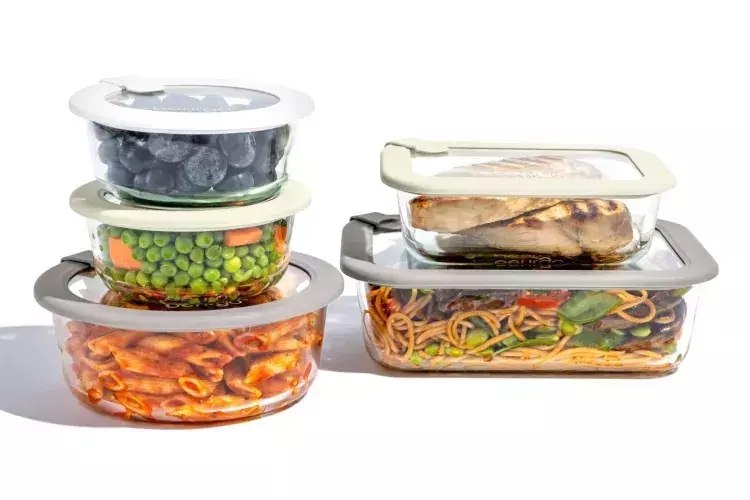
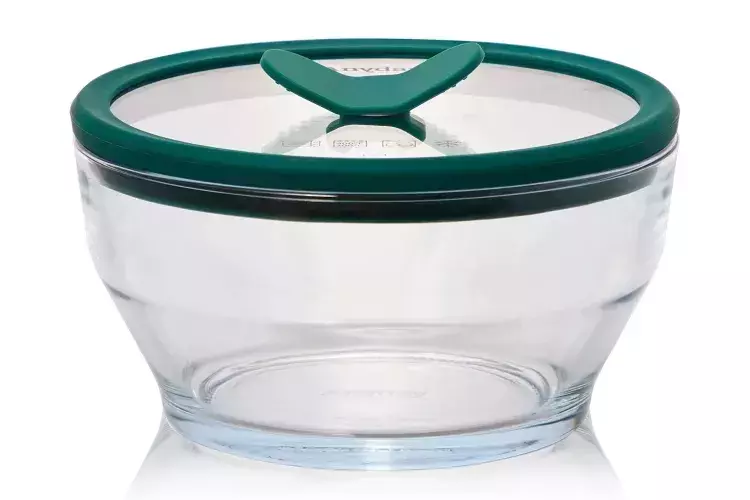
In line with Heller's suggestions, several product alternatives are presented. For reheating food, ceramic pasta bowls, such as those from Y Yhy, are recommended for their microwave- and dishwasher-safe properties and suitable design for various meals. Glass food storage containers, like the Bentgo Signature Leakproof sets, offer another excellent plastic-free option for both storage and reheating, featuring glass bases and glass/silicone lids with vents for air circulation. The Anyday glass container, specifically designed for microwave cooking, also provides a robust, plastic-free solution for heating and cooking food.
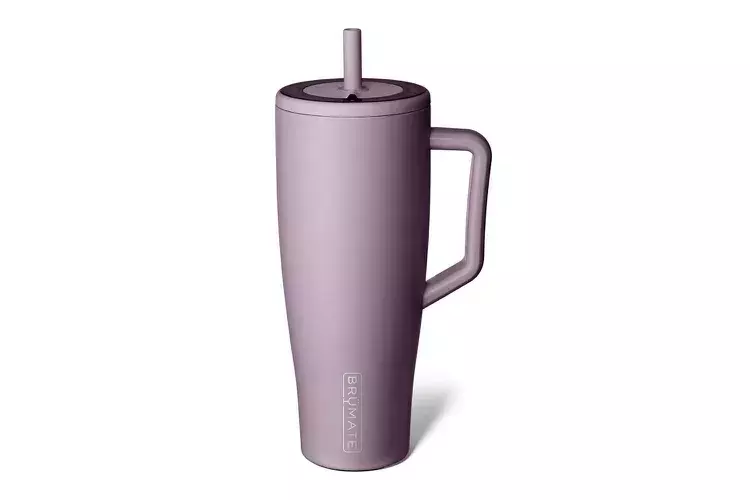
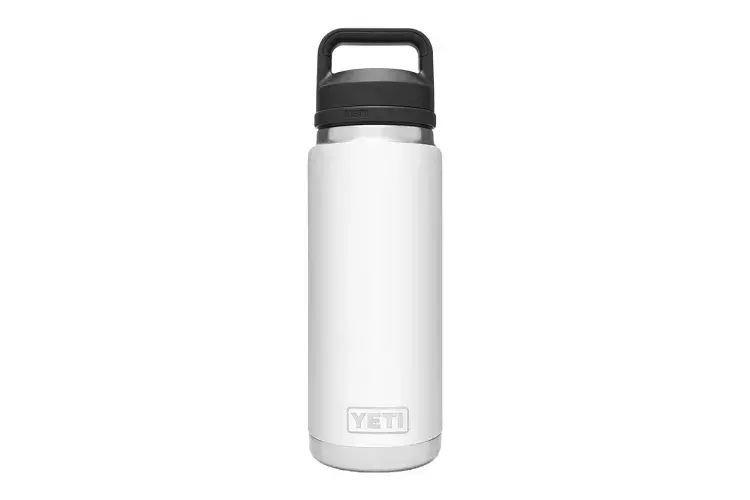
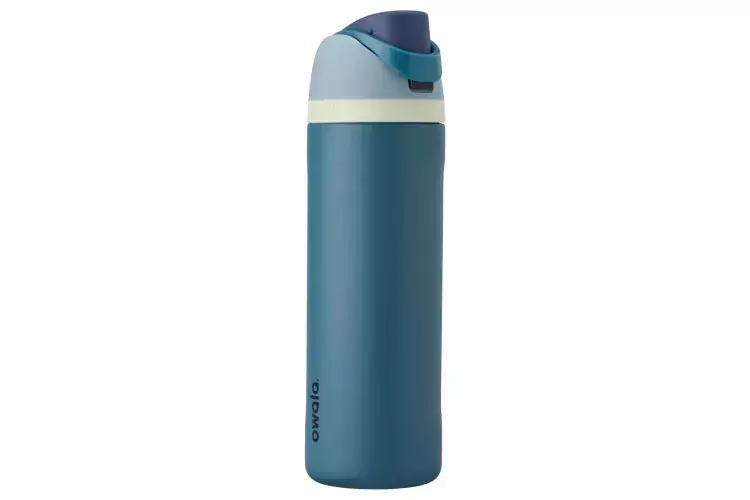
For hydration, various reusable water bottles are highlighted as superior alternatives to plastic. The BrüMate Era tumbler, with its stainless steel interior and straw, is praised for safely holding both hot and cold beverages. The Yeti Rambler is noted for its ability to keep water cold for extended periods, and its chug lid design mimics traditional plastic bottles while minimizing plastic contact with the water. Lastly, the Owala FreeSip bottle is recognized for its user-friendly design and vibrant colors, encouraging consistent hydration throughout the day.
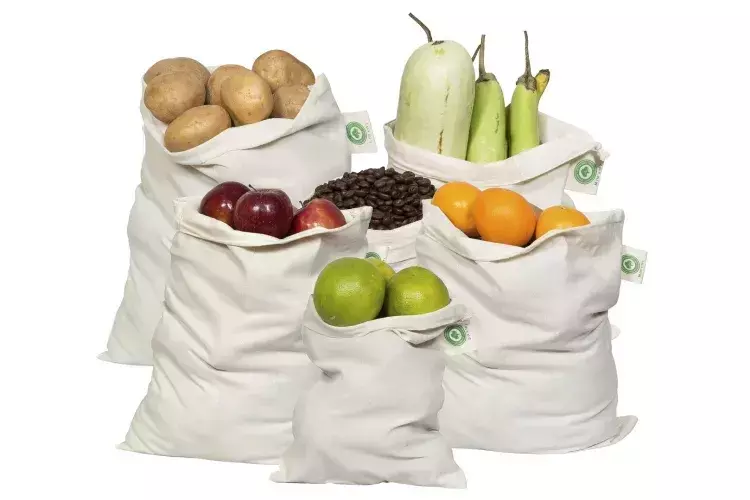
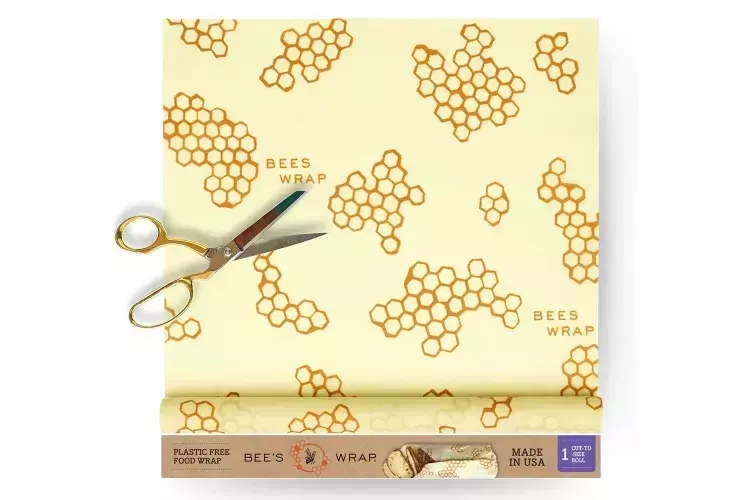
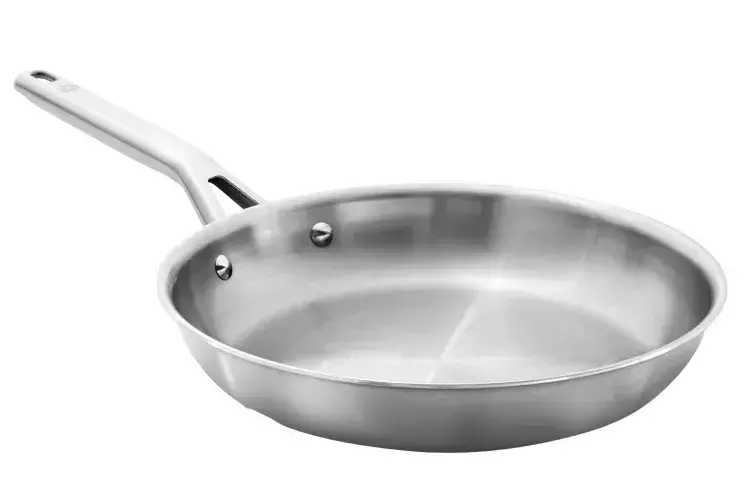
Heller emphasizes that reducing plastic consumption and exposure to environmental contaminants doesn't have to be an overwhelming task. By making conscious, incremental changes, individuals can significantly impact their daily lives. Simple yet effective swaps like using beeswax wraps instead of plastic film, stainless steel pans over Teflon-coated ones, and reusable cotton produce bags at the grocery store are practical steps toward a more sustainable and healthier lifestyle.
To further minimize exposure to plastics, consider adopting a comprehensive approach that extends beyond food and drink containers. Examine other areas of your home, such as cleaning supplies, personal care products, and children's toys, for plastic alternatives. Look for products packaged in glass, metal, or paper, and prioritize items made from natural, biodegradable materials. Supporting brands committed to sustainable practices and reducing packaging waste also contributes to a larger positive impact. Remember, every small change adds up, fostering a healthier environment for both individuals and the planet.
