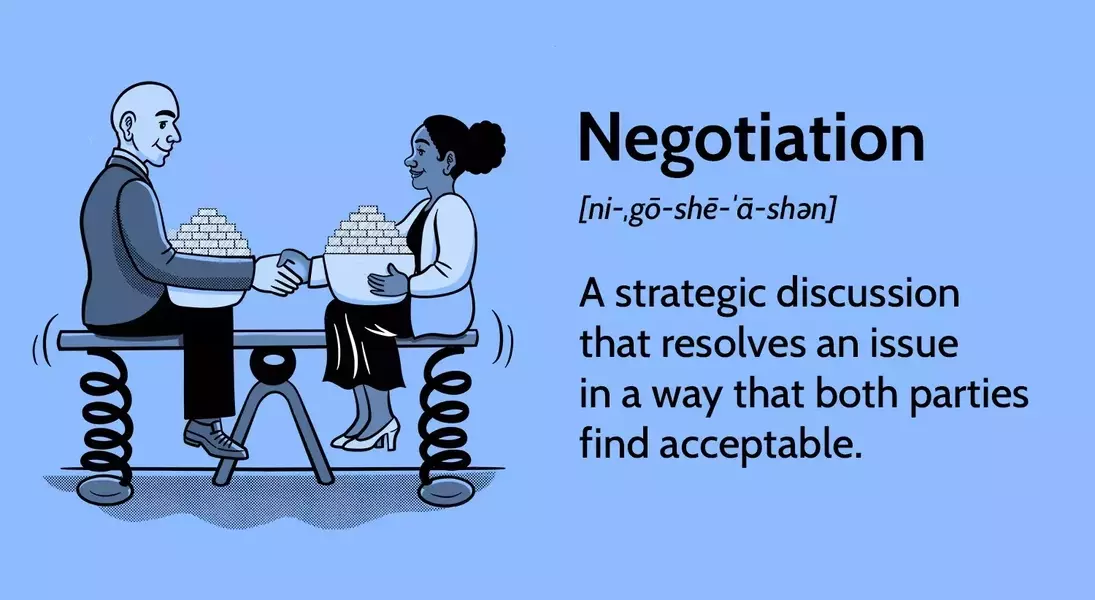
Negotiation, a fundamental aspect of both personal and professional life, involves strategic dialogue between two or more parties to arrive at a mutually agreeable resolution for a shared issue or opportunity. Achieving success in this endeavor demands meticulous preparation, a clear understanding of one's own objectives, and an insightful grasp of the other party's perspectives and limitations. This collaborative process often culminates in concessions and compromises, aiming for an outcome that satisfies all involved. The ability to negotiate effectively is not just about securing what one desires, but also about fostering cooperative relationships and making informed decisions, as highlighted by a 2022 Fidelity study indicating that most young professionals who negotiate their job offers achieve at least partial success.
The Intricacies of Negotiation: From Preparation to Resolution
Effective negotiation follows a structured approach, typically encompassing several key phases. Initially, thorough preparation is paramount. This involves defining one's goals, identifying potential concessions, and researching the opposing party's position. For instance, an individual negotiating the price of a new vehicle might gather market data and alternative offers, while a job seeker would compile a compelling case for their desired salary based on their achievements. Following preparation, the parties engage in the crucial stage of information exchange, where initial positions are articulated, and potential areas for compromise are explored. This phase requires active listening and clear communication to identify common ground. Subsequently, the bargaining phase commences, where parties engage in a give-and-take dynamic. Maintaining a collegial, rather than adversarial, stance is vital for a productive outcome. The negotiation concludes with a clear agreement, which could be a verbal understanding or a formal written contract detailing each party's obligations. This entire process, whether a brief discussion over a garage sale item or extensive corporate merger talks, hinges on understanding strengths, weaknesses, and preparing responsive strategies. Professionals, such as real estate agents or attorneys, often lend their expertise to complex negotiations, leveraging their nuanced understanding of the dynamics involved.
Reflecting on the nature of negotiation, it becomes evident that its essence lies in strategic communication and emotional intelligence. The ability to articulate one's stance, empathize with the other party's needs, and remain composed under pressure are all hallmarks of a proficient negotiator. Furthermore, recognizing the boundaries of acceptable terms and being willing to disengage when an agreement proves unattainable are equally important. This dynamic interplay of strategy, empathy, and self-awareness not only secures favorable deals but also enhances interpersonal skills, applicable across myriad facets of life. The fact that a significant number of young professionals who negotiate their job offers achieve some level of success underscores the practical value of honing these critical negotiation capabilities, transforming potential stalemates into mutually beneficial advancements.
