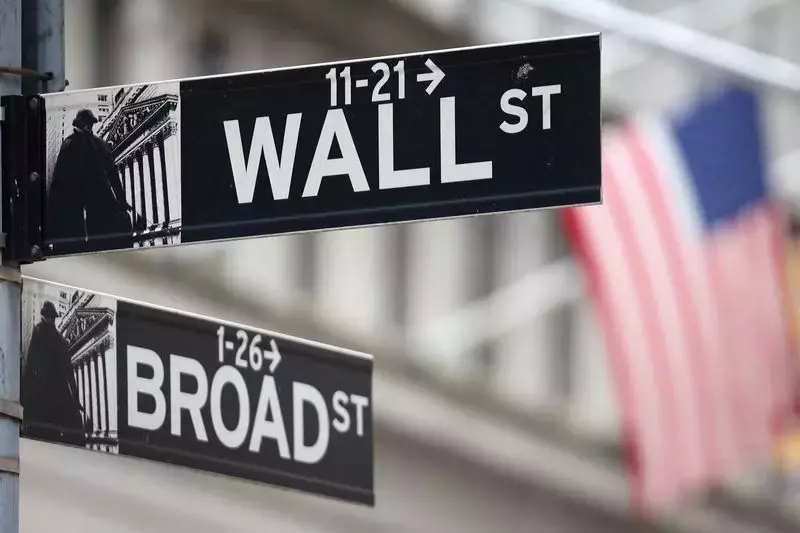
Following a brief holiday respite, U.S. stock markets are bracing for a cautious return to trading. Investors are now focusing on the final stretch of the year, with hopes pinned on a traditional year-end rally known as the "Santa Claus Rally." This phenomenon, often marked by positive market movements, is influenced by factors like portfolio rebalancing and bonus investments. However, this year, traders face additional challenges, including fluctuating jobless claims and policy shifts from the Federal Reserve.
Await the Santa Claus Rally: Will Markets Deliver a Year-End Boost?
Early Indicators Signal Cautious Optimism
The initial trading signals post-holiday indicate a measured approach among investors. Light trading volumes suggest that many market participants are still assessing their portfolios after a period of festive closures. Early morning data showed declines in key indices, with Nvidia dropping 1.1% and Alphabet shedding 0.5%. The Dow E-minis were down 0.33%, S&P 500 E-minis fell 0.44%, and Nasdaq 100 E-minis dipped 0.54%. These early signs reflect the market's tentative mood as it prepares for the final month of the year.Despite these declines, there remains an underlying optimism. Historically, the last five trading days of December and the first two days of January have seen an average gain of 1.3% in the S&P 500 since 1969. This pattern, attributed to low liquidity and strategic investing, has been a reliable indicator of market performance. Yet, the absence of a Santa Claus Rally in December has historically foreshadowed weaker-than-average years, according to LPL Financial data dating back to 1950.Megacap Stocks Drive Market Performance
The performance of megacap stocks has significantly impacted the overall market trajectory this year. Companies like Apple, Tesla, Alphabet, Amazon, Nvidia, Microsoft, and Meta Platforms have collectively contributed over half of the S&P 500’s 28.4% total return in 2024. Without these seven giants, the benchmark index would have seen a more modest 13.2% return, highlighting their pivotal role in shaping market outcomes.These tech-heavyweights have not only driven returns but also set the tone for broader market sentiment. Their influence extends beyond just financial metrics; they shape investor confidence and expectations for future growth. For instance, gains in these stocks have lifted the entire market, demonstrating their outsized impact on the economy. However, the reliance on a few dominant players also introduces risks, as any downturn in these companies can ripple through the broader market.Federal Reserve's Policy Shifts Add Complexity
Adding to the market's complexity is the Federal Reserve's evolving stance. Following election-led gains in November, U.S. stocks have encountered a slowdown this month. The Fed's projection of fewer interest rate cuts in 2025 has introduced uncertainty. Investors are now grappling with the implications of this policy shift, which could affect borrowing costs and economic growth.The Fed's decisions are closely watched because they can significantly influence market dynamics. Lower interest rates typically encourage borrowing and investment, boosting economic activity. Conversely, higher rates can curb spending and slow down growth. With fewer rate cuts on the horizon, investors are recalibrating their strategies. This adjustment period adds another layer of complexity to the already delicate market environment.Economic Data and Legal Challenges Shape Investor Sentiment
Economic indicators continue to play a crucial role in shaping investor sentiment. The Labor Department’s weekly jobless claims report, due before the market opens, offers insights into the labor market's health. Although recent claims have shown volatility, making it challenging to gauge the true state of employment, this data remains a vital metric for investors.Simultaneously, legal challenges from major banks and business groups against the Federal Reserve add another dimension to the market's outlook. These entities have sued the central bank over its annual stress tests, alleging violations of the law. Such disputes highlight the ongoing tension between regulatory oversight and industry operations. As these legal battles unfold, they could introduce further uncertainty into the market, influencing investor decisions.