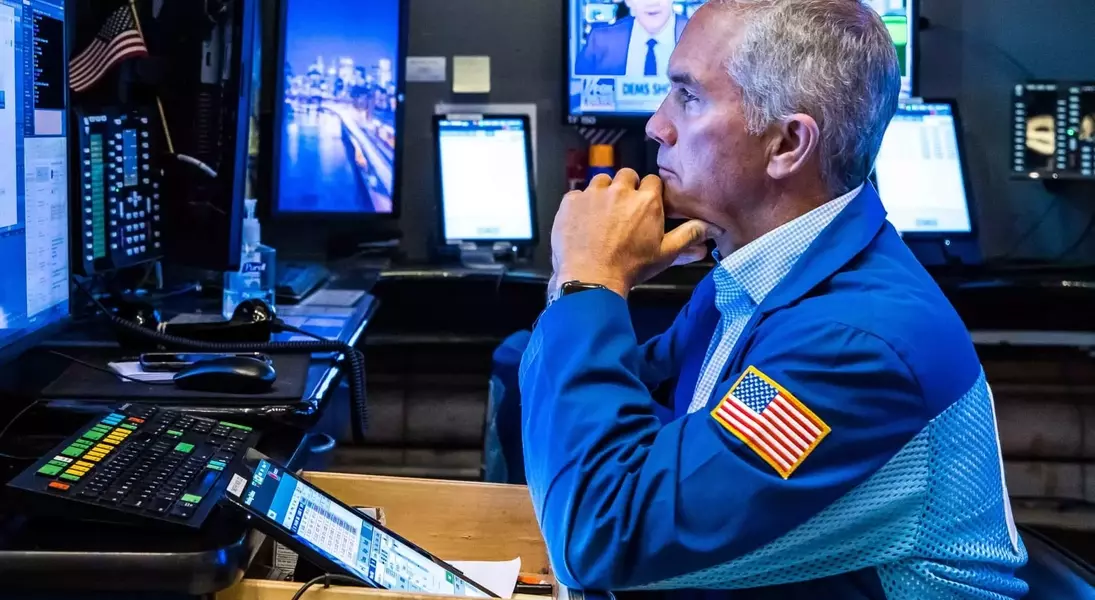
As the holiday season unfolds, investors are closely watching the market's performance. Early signs suggest a potential continuation of the Santa Claus rally, but uncertainties loom large. With mixed signals from various sectors, this article delves into the intricacies of recent market movements and their implications for the coming weeks.
Unlocking the Secrets of Year-End Market Dynamics
Market Momentum Amidst Holiday Trading
The final days of December often bring unique trading patterns as investors anticipate year-end rallies. This period is characterized by lighter institutional participation, with retail traders taking center stage. Retail-driven activity can introduce volatility, making it essential to monitor key indicators closely. For instance, initial jobless claims data released on Thursday provided valuable insights into the labor market's health, signaling whether economic fundamentals remain robust.Retail investors tend to be more reactive to short-term news and sentiment shifts, which can amplify market swings. This dynamic was evident in the early trading sessions post-Christmas, where stock futures experienced fluctuations. While the Dow Jones Industrial Average saw a dip in futures, the Nasdaq Composite maintained its upward trajectory, driven by strong performances in tech giants like Tesla, Apple, and Alphabet. These contrasting movements highlight the complex interplay between different market segments during the holiday season.Historical Insights into the Santa Claus Rally
The phenomenon known as the Santa Claus rally has been a topic of interest among market analysts for decades. Since 1950, the S&P 500 has averaged a 1.3% return during the last five trading days of the year and the first two in January, significantly outpacing the typical seven-day return of 0.3%. This statistical anomaly underscores the psychological impact of year-end optimism on investor behavior.However, not all experts agree on the reliability of this trend. Michael Zinn, a senior portfolio manager at UBS Wealth Management, noted that the holiday period tends to be "sleepy," with less active trading from institutions. He cautioned that end-of-year movements might not serve as a reliable indicator for future market performance. Instead, investors should focus on broader economic trends and corporate earnings reports for more sustainable insights.Sector Performance and Market Leadership
Sector-specific analysis reveals distinct winners and losers in the current market environment. The technology sector has emerged as a clear leader, with the Nasdaq Composite gaining over 4.2% month-to-date. Tech-heavy stocks have benefited from renewed investor confidence, particularly after a challenging period marked by inflation concerns and supply chain disruptions.In contrast, the blue-chip Dow Jones Industrial Average has faced headwinds, declining by approximately 3.6% for the month. This divergence reflects the varying degrees of resilience across different industries. While tech companies have adapted to changing consumer preferences and technological advancements, traditional sectors continue to grapple with macroeconomic challenges. Investors looking to capitalize on these trends should consider diversifying their portfolios to mitigate risk while capturing growth opportunities.Looking Ahead: What Lies Beyond the Holidays?
As we transition into the new year, several factors will shape market sentiment. Economic data releases, including employment figures and inflation metrics, will play a crucial role in guiding investor decisions. Additionally, the Federal Reserve's monetary policy stance remains a key influencer, with any changes in interest rates potentially impacting equity valuations.Corporate earnings reports scheduled for early 2023 will also provide critical insights into company performance and future outlooks. Companies that demonstrate resilience and innovation are likely to attract investor attention, driving positive momentum. Conversely, those struggling to adapt may face increased scrutiny and downward pressure on their stock prices.In summary, the holiday trading period offers a fascinating glimpse into market dynamics, highlighting both opportunities and risks. By staying informed and adopting a balanced investment strategy, investors can navigate the complexities of this transitional phase with greater confidence.