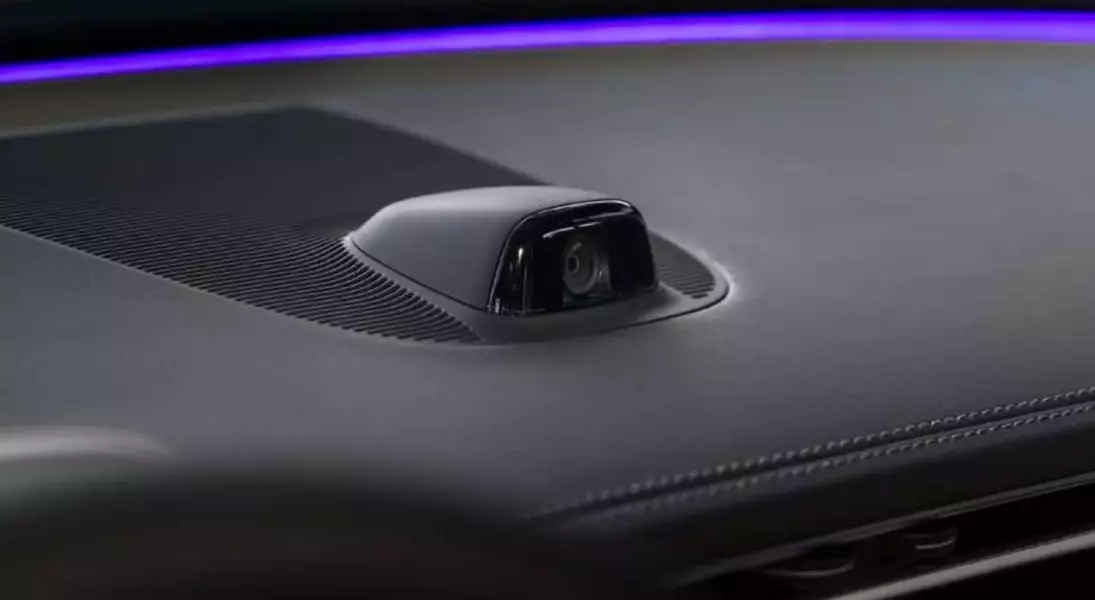
The integration of advanced monitoring technologies into new vehicles is on the horizon, aiming to curb impaired driving. However, this initiative faces substantial technological challenges and sparks considerable debate over individual privacy in an increasingly connected world.
Driving Towards a Monitored Future: Safety vs. Personal Freedom
The Impending Mandate: Autonomous Oversight on the Road
Next year marks the potential beginning of a new era in automotive safety, as the Infrastructure Investment and Jobs Act, enacted in 2021, requires all new vehicles to incorporate sophisticated driver-monitoring systems. These systems are designed to identify and deter impaired driving. Automakers were given a three-year window to develop and implement this technology, with a target rollout set for 2027. However, there's growing skepticism that this deadline can be met.
Technological Readiness: A Significant Hurdle
A recent report released by the National Highway Traffic Safety Administration (NHTSA) in February revealed that the available technology is far from ready for broad implementation. Specifically, the agency noted the absence of any in-production in-vehicle system capable of passively and accurately measuring blood alcohol content (BAC) or breath alcohol content (BrAC) at the legal limit of 0.08 g/dL. Furthermore, other sensor-based monitoring solutions are not deemed mature enough for integration into consumer vehicles. A key concern highlighted by NHTSA is the potential for high false-positive rates; even a 99.9% accuracy rate could lead to millions of incorrect alerts annually, potentially preventing sober individuals from operating their vehicles.
Rising Concerns: The Pervasiveness of Surveillance
The legislative push for impaired-driving prevention technology, outlined in a related bill, also tasks NHTSA with defining the precise implementation methods. This raises considerable privacy implications, as vehicle manufacturers are expected to heavily rely on in-car cameras and sensors for continuous driver surveillance. This constant monitoring could lead to a massive collection of personal data, transforming every action within a vehicle into a data point that could potentially be used in unforeseen ways. The data generated by vehicles is not always owned by the driver, amplifying worries about data privacy and usage.
Current Capabilities and Future Outlook for Driver Monitoring Systems
Many contemporary vehicles already incorporate driver monitoring systems designed to detect signs of drowsiness, inattention, or sudden medical emergencies. NHTSA is actively examining whether these existing systems can be adapted to accurately identify impaired driving. A specific challenge arises from driver-assistance features, such as lane-keeping assist, which might inadvertently obscure behaviors indicative of impairment, complicating the detection process.
The Inevitable Evolution: Safety Standards and Automotive Industry Response
Despite the current technological obstacles, NHTSA is not alone in advocating for advanced impaired-driving prevention technologies. Last year, the Insurance Institute for Highway Safety (IIHS) announced its intention to upgrade the criteria for its prestigious Top Safety Pick+ award to include features that can detect signs of impairment. The Institute's president, David Harkey, emphasized this move as part of their broader vision to reduce U.S. road fatalities by 30% by 2030, leveraging their ratings to encourage the adoption of new safety technologies, similar to past advancements in vehicle structures, airbags, and collision avoidance systems. Automakers anticipate these new criteria could be introduced as early as 2030. Major manufacturers, including BMW, Ford, General Motors, and Toyota, have expressed general support for the initiative to the agency, though they have also voiced concerns regarding consumer acceptance and the accuracy of the technology.
Looking Ahead: Challenges and Prospects for Impaired Driving Detection
It appears to be only a matter of time before technology can reliably detect impaired driving. However, it is improbable that these systems will be standard in new cars beginning next year. Numerous significant hurdles still prevent the widespread deployment of these monitoring systems. This delay provides an opportunity for legislators to re-evaluate the mandate, ensuring that the technology is robust and privacy concerns are adequately addressed before its full implementation.
