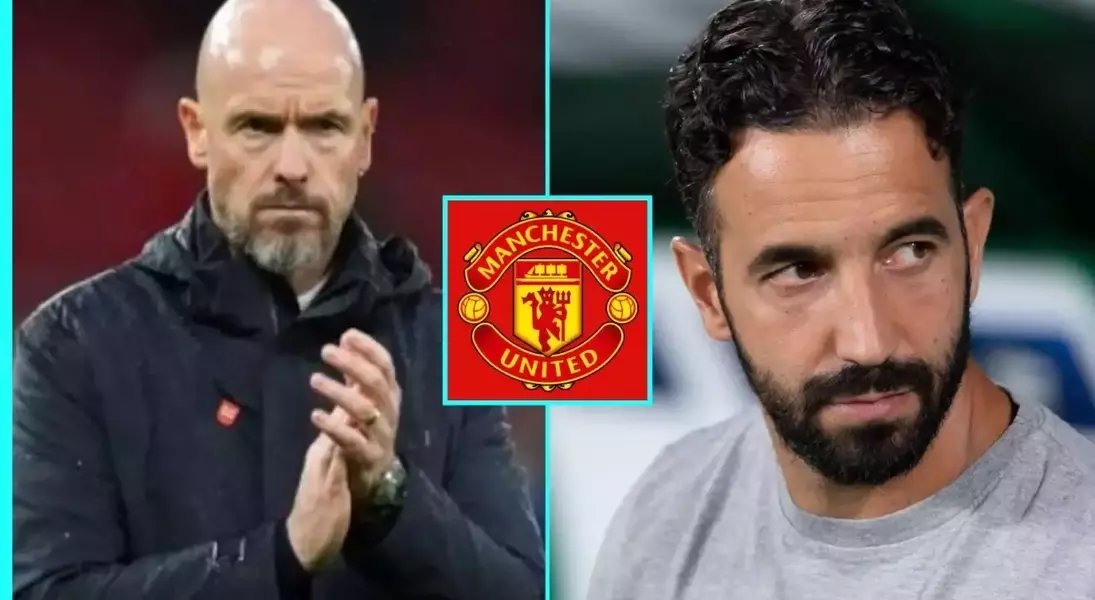
Manchester United is currently navigating a period of significant turmoil, marked by widespread discontent and a relentless search for stability. The club's recent performances have sparked intense debate among fans and pundits alike, focusing heavily on the leadership of manager Ruben Amorim and the fundamental issues that seem to be undermining the team's spirit and on-field success. This complex situation extends beyond just coaching decisions, encompassing concerns about player mentality, the club's operational inefficiencies, and a nostalgic yearning for the dominance once enjoyed.
As the club grapples with these multifaceted challenges, a clear path forward remains elusive. The discussion includes radical propositions, such as deliberately embracing relegation as a means to reset and rebuild the squad with fresh, dedicated talent. This collective struggle to pinpoint and implement effective solutions underscores the profound crisis of identity and performance currently gripping one of football's most storied institutions.
The Managerial Dilemma: Amorim's Position Under Scrutiny
The sentiment surrounding Ruben Amorim's tenure at Manchester United is sharply divided, with a significant portion of the fanbase advocating for his departure, while others argue he is not the root cause of the club's struggles. Critics point to his tactical inflexibility, his handling of key players like Bruno Fernandes, and perceived favoritism within the squad, suggesting these factors contribute to a lack of morale and poor on-field results. His post-match interviews, particularly after disappointing performances, have further fueled doubts about his leadership and ability to inspire a turnaround. The debate also frequently draws comparisons to previous managers, with some fans feeling that earlier managerial changes were premature or ill-advised, indicating a deeper systemic problem at the club.
Despite the criticisms, a segment of supporters views Amorim as a symptom rather than the disease, believing that deeper structural issues within Manchester United are to blame. They contend that the club's problems predate his arrival, stemming from a decline in spirit and a lack of clear strategic direction since the departure of Sir Alex Ferguson. These individuals argue that merely replacing the manager, as has happened numerous times in recent years, will not resolve the ingrained issues of player attitude, board-level decision-making, and financial priorities that seem to overshadow on-field performance. The complexity of the situation is further highlighted by the stark contrast between the team's current state and its historical success, leaving fans to ponder whether a managerial change alone can truly steer the club back to its former glory.
Rebuilding Manchester United: A Call for Radical Change
The prevailing sentiment among many Manchester United supporters is one of profound frustration, leading to unconventional suggestions for the club's future. A radical proposal gaining traction is the idea of intentional relegation as a drastic measure to cleanse the club of its current issues and foster a genuine rebuild. Proponents of this view believe that a period outside the spotlight of top-tier football could force a fundamental reevaluation of the club's structure, allowing for the integration of young, hungry talent who still view playing for the club as a privilege, rather than the highly compensated players currently perceived as lacking commitment. This perspective reflects a deep-seated belief that the club's current woes are not solely attributable to the manager or individual players but are indicative of widespread systemic failures, particularly at the board level.
This drastic call for relegation stems from a perceived inability of the club's current leadership to effect meaningful change, despite numerous managerial and player overhauls. Fans feel that the financial priorities of the ownership have overshadowed sporting success, creating a toxic environment where accountability is scarce. The suggestion of a 'reset' through relegation is seen as the only untried solution, a desperate attempt to break a cycle of mediocrity and rebuild a culture of hard work and genuine dedication that defined the club's most successful eras. While controversial, this viewpoint highlights the depth of despair among supporters, who are willing to endure short-term pain for the long-term vision of a Manchester United that embodies its former values and competitive spirit.
