In the high-stakes world of Premier League football, the departure of a manager typically conjures images of abrupt dismissals or meticulously negotiated mutual agreements. Yet, a less common, though equally significant, scenario occasionally unfolds: the manager's resignation. This deep dive examines the infrequent, yet compelling, instances over the past two decades where managers chose to walk away from their posts mid-season, revealing the varied and often personal motivations behind such decisions, contrasting sharply with the prevalent narrative of termination.
When the Whistle Blows on Their Own Terms: Unpacking Premier League Managers' Voluntary Exits
The Enigmatic Position of Manchester United's Current Coach
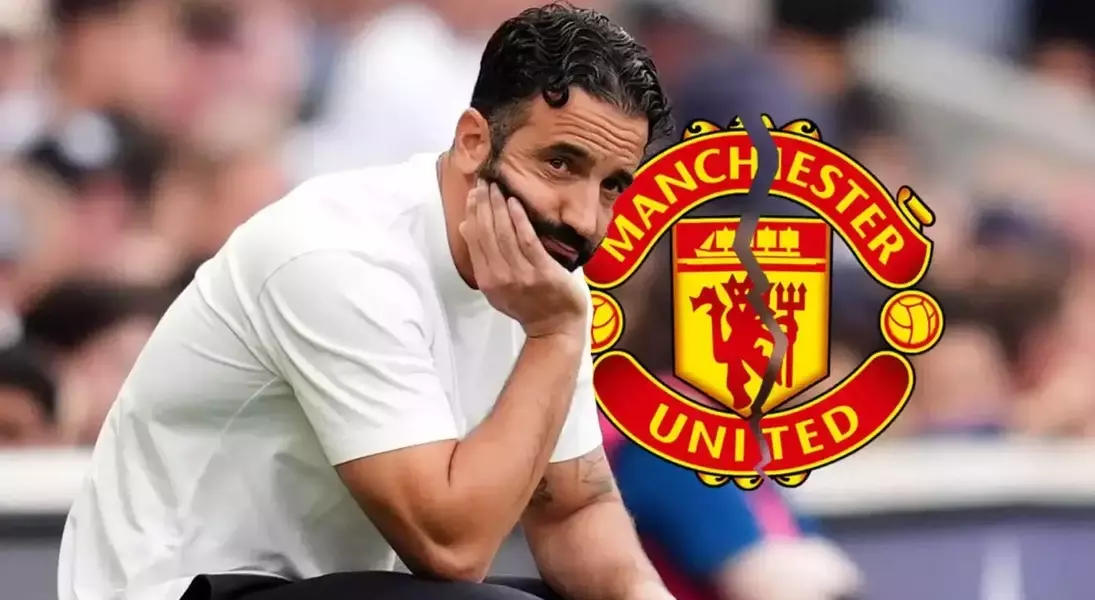
While the prevalent belief often suggests an impending termination for a Manchester United manager struggling with performance, the club's unwavering support for Ruben Amorim indicates a different kind of pressure. Despite recent setbacks, including a defeat to Grimsby Town that extended a winless streak, the Portuguese tactician appears to be contemplating a voluntary departure rather than facing a dismissal. His visible discomfort during a penalty shootout, coupled with reports of a near resignation in January following a home loss, points to an internal struggle, suggesting a desire to step down unless results drastically improve.
Premier League Managers' Rare Voluntary Departures
Managerial resignations in the Premier League are an anomaly, standing in stark contrast to the frequent sackings or 'mutual consent' arrangements designed to facilitate smooth exits with financial settlements. Only a handful of managers have chosen to resign mid-season in this century, underscoring the rarity and unique circumstances surrounding such decisions.
Roy Hodgson's Health-Driven Departure from Crystal Palace
Roy Hodgson's tenure at Crystal Palace was nearing its conclusion amidst a poor run of form and critical remarks about the fanbase. However, his resignation was ultimately prompted by health concerns after he became unwell during a training session. This led to an amicable separation, allowing the club to proceed with their succession plans, having already identified Oliver Glasner as his replacement.
Dick Advocaat's Brief Return to Sunderland
Dick Advocaat, after successfully guiding Sunderland away from relegation, extended his contract for a year, postponing retirement. Yet, just four months into the new season and with a winless start, the Dutch coach opted to step down. He openly admitted that the constant battle against relegation was not something he wished to endure, a sentiment that resonated with his subsequent managerial stints globally. His departure was notably amicable, with Advocaat foregoing any financial compensation.
Harry Redknapp's Departure from QPR Amidst Injury Claims
Harry Redknapp's resignation from QPR in February 2015, ostensibly for knee surgery, was met with skepticism. Many believed the real reason was the team's dire league position and lack of significant transfer activity. Redknapp denied any internal disputes, but later expressed frustration over the constant speculation about his replacement and a perceived lack of internal support.
Roy Keane's Abrupt Exit from Sunderland
Roy Keane, known for his uncompromising stance, resigned from his role as Sunderland manager after a series of defeats. The club chairman confirmed that Keane was not dismissed but chose to leave, believing he could no longer advance the team. Keane later disclosed that his relationship with the club's new owner, particularly the owner's communication style, was a significant factor in his decision.
Kevin Keegan's Frustration-Driven Resignation from Newcastle United
Kevin Keegan's second spell at Newcastle United was marked by conflict, particularly concerning transfer policy under the ownership of Mike Ashley and the influence of Dennis Wise. Keegan resigned after just 22 games, citing his belief that a manager must have the autonomy to choose players and that the club should not impose unwanted signings.
Alan Curbishley's Principles Lead to West Ham Exit
Alan Curbishley resigned from West Ham due to a breach of trust regarding player transfers. Despite the team's promising start, Curbishley felt the club made significant player decisions without his involvement, violating an agreed-upon clause that granted him final say on squad composition. This led to a legal dispute where the club was ordered to pay Curbishley a substantial sum for breaching his contract.
Sam Allardyce's Ambition Clash at Bolton
Sam Allardyce's resignation from Bolton, just two games before the end of a successful season, initially puzzled many. Years later, Allardyce revealed his departure was driven by the club's lack of ambition to invest further and push for Champions League qualification. He felt his vision for the club was not aligned with the board's, leading him to make the decisive choice to leave.
Jacques Santini's Unfulfilled Promises at Tottenham
Jacques Santini's short and "memorable" 13-game stint at Tottenham ended with his resignation, initially attributed to personal reasons. However, he later confessed his disappointment with unfulfilled promises, particularly concerning living arrangements, which contributed to his desire for a break from the demands of a high-profile Premier League role.
Gordon Strachan's Early Departure from Southampton
Gordon Strachan, after successfully steering Southampton to safety and then to a respectable league finish and an FA Cup final, announced his intention to leave at the end of the season. However, he departed earlier than planned, stating that the situation had become "increasingly difficult" after just five more games.
John Gregory's Sudden Departure from Aston Villa
John Gregory's resignation from Aston Villa in January 2002, just months after the team topped the Premier League, was surprising. Despite a strong start, Gregory cited the owner's refusal to allow him to strengthen the squad. Although he initially claimed he would never abandon his team, he resigned and quickly took on a new managerial role at Derby, indicating a swift change of heart and priorities.
