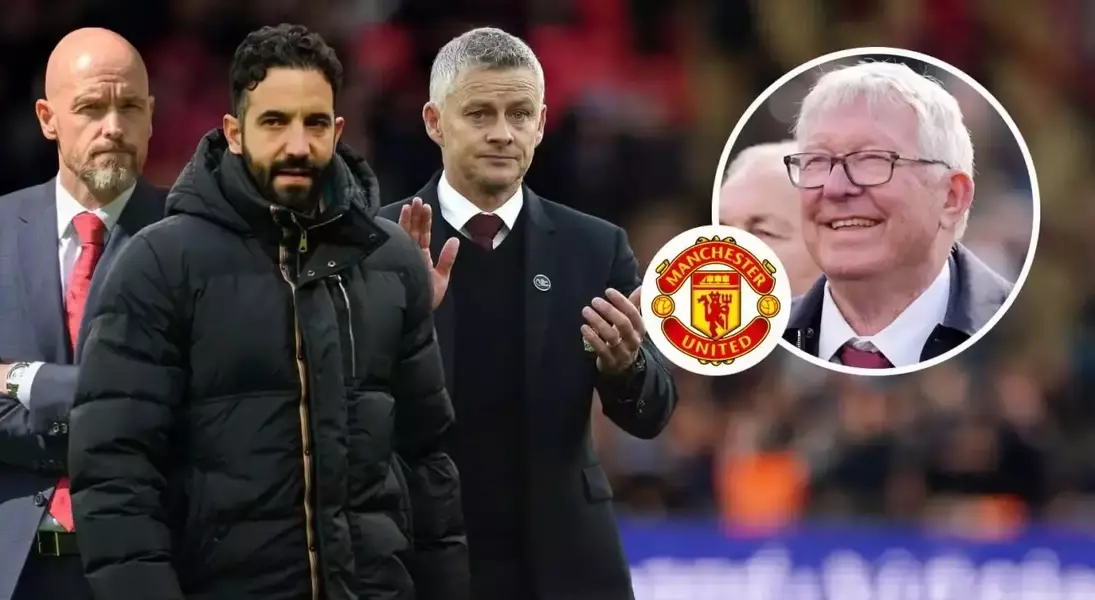
Manchester United's post-Sir Alex Ferguson era has been marked by a turbulent managerial landscape. Since Ferguson's departure in 2013, the club has cycled through seven different head coaches, each striving to replicate past glories but largely falling short. This period has been characterized by significant spending on transfers, yet a consistent lack of on-field stability and success has plagued the team. The recent struggles under Ruben Amorim have brought the club's challenges into sharp focus, with questions arising about the effectiveness of recruitment strategies and the long-term vision for the team.
The continuous managerial changes reflect a deeper systemic issue within the club, where even substantial financial backing has failed to translate into sustained high performance. Despite the considerable resources invested in acquiring new talent, successive managers have found it difficult to implement a coherent playing style or achieve the consistent results expected of a club of Manchester United's stature. This ongoing instability, from the dugout to the pitch, underscores the complex problems facing the Red Devils as they seek to reclaim their dominant position in English and European football.
The Tumultuous Reign of Post-Ferguson Managers
The departure of Sir Alex Ferguson heralded a period of significant upheaval for Manchester United, as the club struggled to find a suitable successor to their legendary manager. Each appointment, from David Moyes to the latest incumbent, Ruben Amorim, has been met with varying degrees of optimism, often quickly replaced by frustration. Moyes, handpicked by Ferguson, inherited a Premier League-winning squad but failed to maintain its competitive edge, leading to his swift dismissal. Ralf Rangnick's interim tenure highlighted the club's organizational disarray, as his insightful, albeit critical, observations about the club's structure were largely unheeded. Louis van Gaal brought a pragmatic, possession-based approach that yielded an FA Cup, yet his tenure was often criticized for its uninspiring football style, leading to his eventual sacking.
Erik ten Hag, despite securing a League Cup and an FA Cup, also found himself under immense pressure due to inconsistent league form and disappointing European campaigns, ultimately leading to his departure. However, it is under Ruben Amorim that the club's fortunes have seemingly reached a new low. Appointed with considerable fanfare and granted significant transfer funds, Amorim's team has struggled profoundly, demonstrating a concerning win percentage and a baffling loss to lower-league opposition in the Carabao Cup. His rigid tactical approach, coupled with an inability to adapt to the existing squad, has drawn widespread criticism and cast doubt on his suitability for the role. The substantial financial investment in new players under his watch, amounting to hundreds of millions, has not translated into improved performances, further intensifying scrutiny on both the manager and the club's decision-making process.
Ruben Amorim's Troubled Start and the Road Ahead
Ruben Amorim's tenure at Manchester United has been a period fraught with difficulties, marked by a shocking decline in performance and a growing sense of disillusionment among the club's supporters. Despite a substantial investment in new players—reportedly over £300 million—and a full pre-season to integrate his philosophy, the team's results have been alarmingly poor. A particularly embarrassing defeat to a League Two side in the Carabao Cup epitomized the struggles, highlighting a critical disconnect between the manager's tactical system and the capabilities of the squad. Amorim's insistence on a 3-4-2-1 formation, coupled with his perceived stubbornness and inability to adapt, has been identified as a major contributing factor to the team's dismal league position and negative goal difference. The club's continued backing of a manager overseeing such a precipitous decline, particularly given the significant compensation packages involved in previous managerial changes, speaks to a broader institutional reluctance to admit past errors.
The stark contrast between Manchester United's current predicament and the strategic success seen at clubs like Liverpool, which patiently built their squad before investing heavily, underscores the Red Devils' flawed approach. While Liverpool's patient recruitment strategy under Jurgen Klopp and subsequent seamless transition to Arne Slot yielded immediate success, Manchester United's aggressive spending under Amorim has yet to produce any tangible improvement. The team's dire football, coupled with a string of disappointing results, has left fans questioning the direction of the club. Despite the promise of further financial injections for new signings, the fundamental issues of tactical inflexibility and squad cohesion remain unresolved. The persistent underperformance, exemplified by a 15th-place finish and a substantial number of defeats, has made the call for a change at the top increasingly vocal, suggesting that Amorim's position may soon become untenable unless there is a dramatic turnaround in fortunes.
