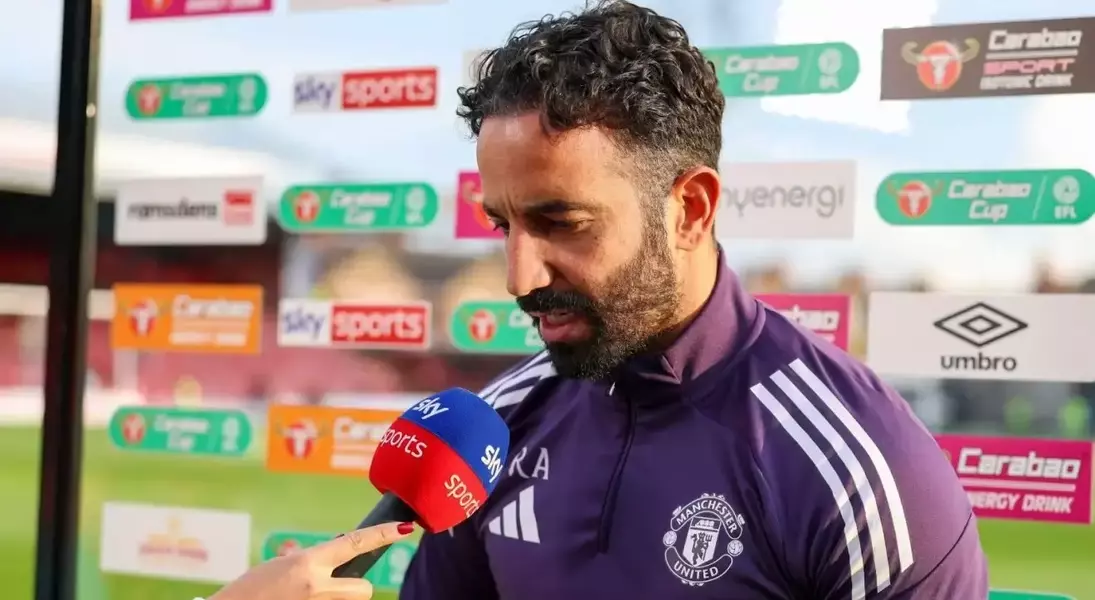
Manchester United finds itself in a precarious position early in the season, with manager Ruben Amorim facing increasing pressure. Despite substantial investment in new talent over the summer, including Benjamin Sesko, Matheus Cunha, and Bryan Mbeumo, the team's performance has been underwhelming. This has led to growing discontent within the squad regarding Amorim's tactical decisions and man-management. The club's recent results—a solitary point from their opening two Premier League fixtures and a shocking exit from the League Cup at the hands of Grimsby Town—have ignited a fierce debate among fans and pundits about the manager's future. While official statements indicate no immediate plans for a dismissal, the possibility of Amorim's resignation looms large if the team's fortunes do not swiftly turn around, highlighting the deep-seated issues at play within the storied club.
The current turmoil at Old Trafford stems from a series of disappointing performances that have left supporters and former players concerned. Finishing 15th in the previous campaign, the expectation was a dramatic upturn in results following a proactive transfer window. However, the early stages of the 2025/26 season have painted a grim picture. The team's inability to secure decisive victories has sparked internal questioning among the players themselves, who are reportedly challenging the effectiveness of Amorim's strategic methods on the pitch.
The nadir of this early season slump was undoubtedly the Carabao Cup defeat to League Two side Grimsby Town. This result, particularly humiliating for a club of Manchester United's stature, intensified calls for a change in leadership. Speculation mounted rapidly about Amorim's potential sacking, with media reports suggesting the club was already seeking a 'reliable replacement.' However, sources close to the club have since clarified that while the situation is tense, there are no immediate intentions to terminate Amorim's contract. Nevertheless, a palpable sense of apprehension remains, with whispers of the manager potentially choosing to step down if he cannot reverse the team's fortunes, particularly if he feels his steadfast approach is not yielding the desired outcomes.
Amidst this backdrop of uncertainty, former Manchester United stalwart Gary Neville has weighed in with his perspective, offering what he considers crucial advice for Amorim. Speaking publicly, Neville pinpointed the midfield as the primary area of concern. He observed a critical lack of structural integrity within the team's central unit, particularly when the play becomes stretched. Neville noted that while the team can appear functional when the front line and defense are compact, any expansion of the play quickly exposes vulnerabilities in the midfield. He highlighted the frequent changes in midfield partnerships and defensive setups as symptomatic of a broader issue, emphasizing the urgent need for stability and a coherent tactical framework to prevent players from operating in isolation.
The challenges facing Ruben Amorim extend beyond mere results; they delve into the fundamental aspects of team cohesion and tactical discipline. The early season struggles, particularly the shocking exit from the League Cup, have undeniably cast a shadow over the club. As the pressure mounts, the coming weeks will be pivotal in determining whether Amorim can instigate the necessary changes to steer Manchester United back on course, or if the current climate of internal doubt and external criticism will ultimately lead to his departure.
