In an era defined by escalating global temperatures, the world of football finds itself at a critical juncture, confronting the formidable challenges posed by extreme heat. What once seemed an incidental concern, addressed by sporadic cooling breaks, has now undeniably become a pervasive force, fundamentally altering how the beautiful game is played, organized, and scheduled. This ongoing transformation, rooted in a necessity to safeguard athlete well-being and uphold the sport's integrity, underscores a compelling narrative of adaptation and resilience.
The Evolving Landscape of Football in a Warming Climate
The dawn of football's direct confrontation with environmental shifts arrived in 2014, amidst the vibrant setting of the World Cup in Brazil. During a tense round-of-16 clash between the Netherlands and Mexico in Fortaleza, an unprecedented three-minute pause was initiated. This momentous occasion, marked by players hydrating and staff deploying ice-cold towels, symbolized the inaugural official 'cooling break' in World Cup annals. With on-field temperatures soaring to an intense 39°C and humidity lingering at 68%, this procedural shift, guided by FIFA's new provisions based on Wet Bulb Globe Temperature (WBGT) thresholds, signaled a profound realization: extreme heat was no longer a minor inconvenience but a formidable and enduring factor reshaping the sport.
In the subsequent decade, football's traditional calendar has demonstrably yielded to the relentless influence of heat. A striking example is the 2022 World Cup in Qatar, which saw an unprecedented relocation from its customary June-July slot to November-December. This monumental decision, prompted by June's scorching average temperatures exceeding 40°C, necessitated a global recalibration of domestic league schedules, showcasing the sport's willingness to bend to environmental imperatives. While mitigating the immediate risks of extreme heat, this shift established a significant precedent: continued global warming would increasingly compel football to adapt its timing and venues.
The adaptations extend deeply into day-to-day match operations. FIFA's implementation of cooling breaks, tethered to heat stress using the comprehensive WBGT index—which synthesizes temperature, humidity, wind, and radiant heat—has become standard. Reports from recent tournaments and leagues indicate that a WBGT of 32°C serves as a critical threshold, mandating in-match cooling or drinks breaks in both halves. Player unions, notably FIFPRO, advocate for even stricter guidelines, asserting that FIFA's current threshold is too permissive. They recommend cooling breaks near the 30th and 75th minutes if WBGT hovers between 28°C and 32°C, and a complete rescheduling of training and matches if it surpasses 32°C. Their public materials further detail practical mitigations, including ice towels, pre-cooling strategies, provision of shade, and meticulously crafted recovery protocols.
Even Europe, traditionally viewed as less susceptible, has felt the impact. The scorching July 2022 heatwave saw UEFA implementing cooling breaks for Women's Euro group games, a clear acknowledgment that even evening kick-offs could not fully negate the risks. Domestic leagues across the continent have similarly introduced discretionary first and second-half breaks during unusually hot summers or unexpectedly warm autumns. The underlying public health rationale is unequivocal: elevated temperatures rapidly increase core body temperatures, intensify cardiovascular strain, accelerate dehydration, and significantly heighten the risk of heat-related illnesses.
Beyond health risks, heat profoundly reshapes the game itself. A burgeoning body of sports science research correlates hot environments with measurable reductions in high-intensity outputs and impaired decision-making. A comprehensive 2025 review, collaboratively conducted by FIFPRO, the Portuguese player union SJPF, and the Portuguese Football Federation, highlighted reduced high-speed running distances and a discernible shift towards lower-intensity activity when ambient temperatures climbed past the upper 20s Celsius. Laboratory analyses and match observations have further linked heat exposure to increased heart rates, higher core temperatures, and a degradation of cognitive performance under fatigue—a particularly detrimental combination for a sport demanding repetitive sprints and rapid, precise choices in confined spaces.
The persistent question of the football calendar underpins these challenges. For decades, June and July were considered sacrosanct for international tournaments, primarily because Europe's club seasons had concluded, and the weather across much of the Northern Hemisphere was generally agreeable. This rationale, however, appears increasingly fragile as heatwaves arrive earlier, persist longer, and reach unprecedented intensities. The Qatar 2022 shift demonstrated the administrative feasibility of moving a mega-event to a cooler window, yet this came at a cost: domestic leagues faced compressed schedules, cup competitions were squeezed, and player recovery times drastically shrank. An additional layer of complexity arises from broadcasters and sponsors, whose preferences for TV-friendly kick-off times often dictate scheduling, even when these slots coincide with the hottest parts of the day in host cities far from Europe.
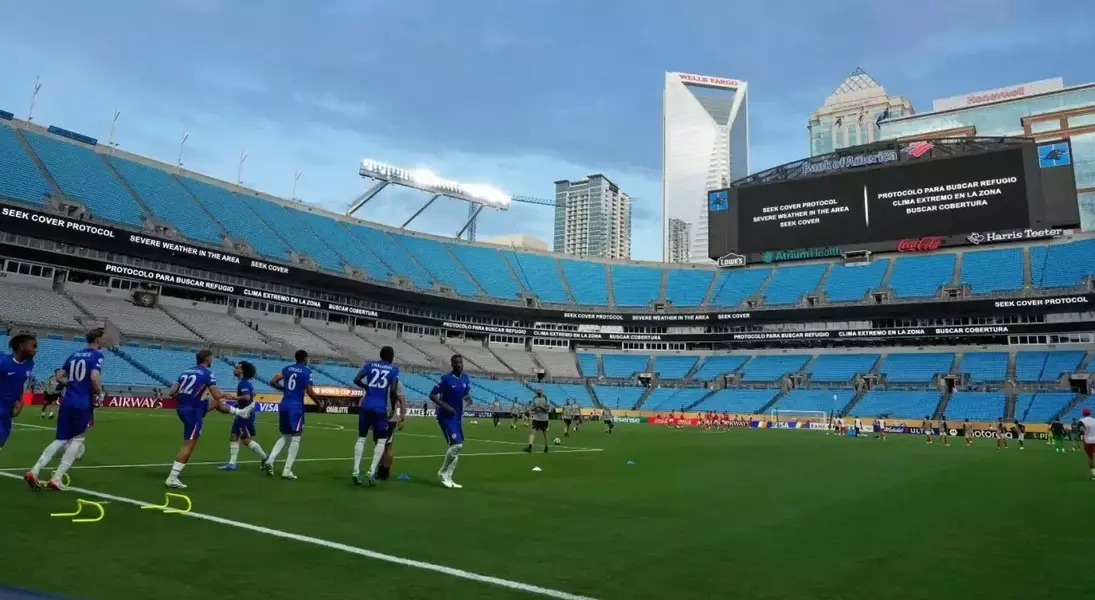
This summer has intensified the focus on this critical issue. The FIFA Club World Cup, staged across various U.S. cities in June, was consistently impacted by hazardous heat, necessitating additional hydration breaks and on-site cooling measures. Reports and expert analyses have cautioned that numerous host cities for the 2026 World Cup could face WBGT readings exceeding safety thresholds for significant portions of summer afternoons, particularly in open-air venues. FIFPRO has publicly proposed pragmatic adjustments, such as extending half-time from 15 to 20 minutes and introducing more frequent, shorter cooling breaks, while reiterating its call to avoid early-afternoon kick-offs in hot markets. Climate scientists have strongly urged organizers to prioritize heat and health data as a primary input for scheduling, rather than treating it as a belated add-on. The message is unequivocal: heat is not a peripheral concern to be addressed ad hoc; it is a fundamental design constraint for future tournaments.
From a tactical standpoint, managers are already experimenting with heat-aware football. Some teams are opting to lower their press and adopt mid-block defensive strategies to reduce the frequency of high-intensity efforts. Others emphasize longer possession phases to control the tempo and minimize transitions, which typically demand the most intense sprints. Substitution patterns are becoming more conservative, with earlier initial changes and a heightened emphasis on fresh legs in wide areas. Sports science teams are meticulously adjusting pre-cooling protocols, hydration plans, and half-time routines—incorporating ice vests, slushies, and menthol gels into their practical toolkit—while medical staff pay particularly close attention to players with any history of heat-related illnesses.
The temptation exists to believe that technological advancements will provide a panacea for football's heat-related challenges. Air-conditioned stadiums, misting cannons, shaded fan zones, and climate-controlled training facilities can undeniably mitigate risks, and organizers will undoubtedly highlight these innovations ahead of major events. However, even the most sophisticated infrastructure cannot circumvent the fundamental physiological limits that render human performance fragile in intense heat. As FIFPRO has plainly stated, beyond certain WBGT levels, the correct response is not merely more breaks but a fundamental rescheduling of events. This stance, firmly supported by medical literature, may well become the prevailing norm if global summers continue their upward temperature trend.
A future football landscape, resilient to heat, is entirely conceivable. This could involve earlier or later kick-off times, an increased number of night games, mandated cooling breaks at lower temperature thresholds, extended half-times, and tighter squad rotations supported by larger benches. A more ambitious vision might entail a re-imagined international calendar, automatically shifting major tournaments away from peak-heat windows, and domestic leagues integrating flexible 'heat bye weeks' into their summer schedules.
Football has previously embraced innovations like winter breaks, five-substitution rules, and VAR, all in the name of player welfare and competitive integrity. Successfully navigating the challenges posed by extreme heat will demand a similar level of pragmatism, driven by empirical data rather than rigid adherence to tradition.
A mere decade ago, a brief three-minute pause in Fortaleza seemed an anomaly. Yet, with each successive heatwave, it increasingly appears to have been a prescient warning. The sport now faces a stark choice: meticulously plan for a future defined by heat, or continue to halt for breath as the mercury relentlessly climbs.
