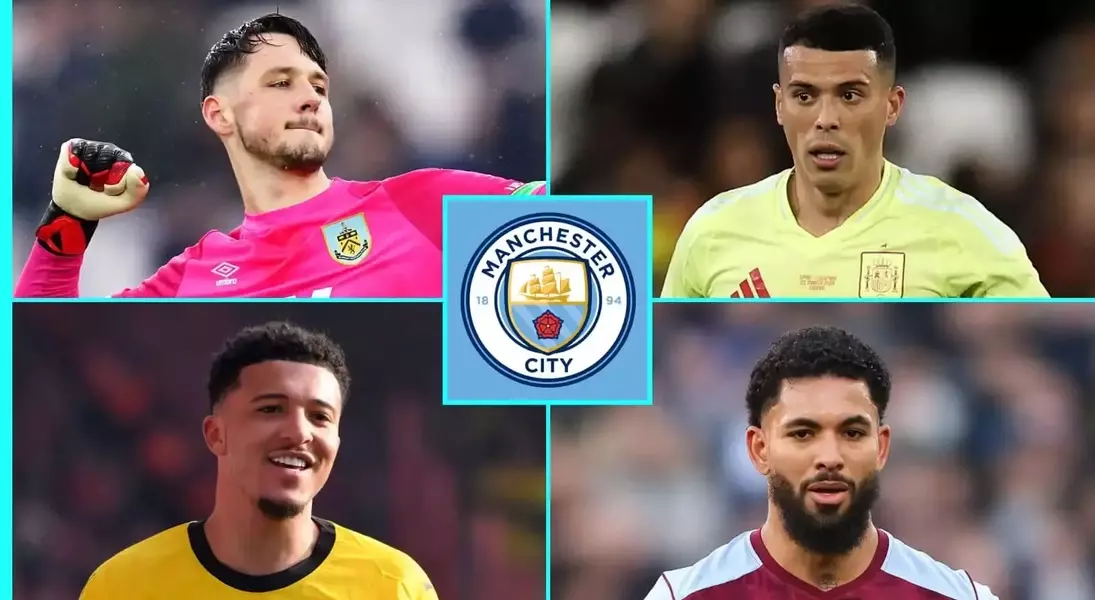
Since the arrival of Pep Guardiola in the summer of 2016, Manchester City has masterfully cultivated a unique financial strategy, accumulating almost £300 million through the astute sale of athletes who never played a single competitive match for the senior team. This remarkable feat underscores a less visible yet highly impactful aspect of their operational success, distinguishing them from many top-tier clubs. Their strategic placement of players in various clubs, often through intricate loan agreements and subsequent sell-on clauses, has proven to be an incredibly effective revenue stream. This approach not only bolsters their financial standing but also contributes significantly to their ranking as sixth in the five-year Premier League net spend table.
A closer look at specific cases reveals the depth and breadth of this ingenious system. For instance, players like Callum Doyle, despite multiple loan spells and no first-team breakthrough, commanded a significant fee with potential for future earnings from sell-on clauses or even buy-back options. Similarly, the transactions involving Yan Couto, who had extensive loan experience with Girona before a move to Borussia Dortmund, and Farid Alfa-Ruprecht, a youth prospect moved to Bayer Leverkusen with a substantial sell-on clause, exemplify City's ability to maximize value from their academy and scouting network. The list extends to numerous other talents such as James Trafford, Douglas Luiz, Jadon Sancho, and Pedro Porro, all of whom fetched considerable sums without ever donning the Manchester City senior kit in an official game. Even players like Jack and Tyler Fletcher, transferring to Manchester United, and Carlos Forbs moving to Ajax, demonstrate the club's broad reach in securing profitable exits for their promising youngsters.
The club's foresight in securing future sell-on clauses and buy-back options on many of these deals ensures a continuous flow of income, long after a player has departed. This sophisticated model highlights a forward-thinking approach to football economics, prioritizing long-term financial health alongside on-field success. It allows Manchester City to maintain competitiveness by reinvesting funds strategically, showcasing a sustainable path to elite performance. The success stories of these numerous transfers reveal a club that not only excels at developing talent but also at monetizing it, turning potential into tangible assets that fuel their ambitions and cement their position at the pinnacle of modern football.
Manchester City's innovative approach to player transactions serves as a compelling testament to strategic management and long-term vision in professional sports. Their ability to generate substantial revenue from players who do not feature in the first team demonstrates that success in football extends beyond the pitch, embracing shrewd financial planning and an unwavering commitment to nurturing talent. This model champions the idea that every individual's contribution, whether direct or indirect, can be a cornerstone of collective triumph, inspiring a proactive and resourceful mindset.
