
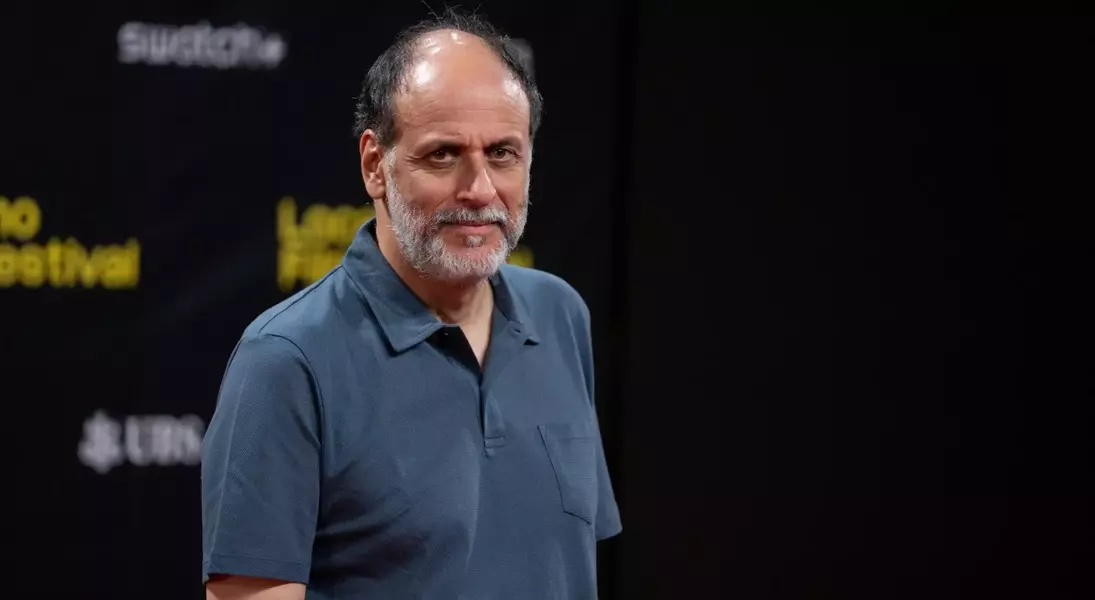

Renowned filmmaker Luca Guadagnino recently attended the Locarno Film Festival, not to discuss his own projects, such as the much-talked-about OpenAI film, but to spotlight a promising talent. His focus was entirely on 'Ketticè,' the second feature film from Giovanni Tortorici, who previously served as Guadagnino's assistant. This coming-of-age drama, set in Palermo in 2012, features Salvatore Gallina, Rachele Testagrossa, and Monica Bellucci, with Guadagnino himself listed among its producers.
'Ketticè' explores the journey of Giulio, a disillusioned 16-year-old, whose monotonous life finds a spark through his friendship with Ketty, a confident peer. Their bond creates a sanctuary from societal judgment, as they navigate their search for freedom. The film's title, a Sicilian dialect nickname for Ketty, subtly roots the narrative in its cultural setting. Guadagnino underscored the film's significance by reflecting on Italy's cinematic heritage, acknowledging its historical prominence but lamenting its subsequent decline into a perceived 'sterile' state, a condition he attributes to the emergence of private television and a shift in industry dynamics that stifled diverse storytelling.
Guadagnino passionately articulated his motivation for supporting Tortorici, viewing it as a vital act of protection for rare and authentic voices within Italian cinema. He sees nurturing filmmakers like Tortorici as a means to "set up a pavement into the future," advocating for a mindset focused on genuine storytelling, an understanding of reality, and a commitment to truth. Tortorici, for his part, revealed that 'Ketticè' delves into how societal institutions, including family, often fall short of supporting young individuals, and expressed his future intent to explore diverse struggles of youth with authority, particularly within the family structure.
Guadagnino's endorsement of 'Ketticè' at the Locarno Film Festival underscores a powerful message: the future of cinema lies in fostering and protecting distinctive voices that dare to challenge the status quo and articulate authentic human experiences. By championing new talents, the industry can transcend stagnation and cultivate a vibrant landscape for storytelling that resonates universally.
