Lotus is set to introduce a plug-in hybrid version of its Eletre SUV, marking a significant strategic pivot for the automaker. This development, which surfaced through Chinese regulatory filings, signals Lotus’s response to the fluctuating global demand for electric vehicles. Moving from a pure EV stance, the Eletre PHEV will integrate a turbocharged engine with electric propulsion, aiming for a formidable 952 horsepower. This high-performance hybrid model retains the design aesthetics and advanced features of its all-electric counterpart, positioning Lotus to cater to a broader market as it prepares for a 2026 debut.
Lotus, previously a staunch advocate for an exclusively electric future, is recalibrating its trajectory. Influenced by a decelerating global interest in purely electric vehicles and a resurgence in the popularity of hybrid powertrains, the British automotive brand—now primarily owned by China’s Geely—is adjusting its long-term strategy. While not entirely abandoning its electric aspirations, Lotus is transitioning them into a more measured phase, prioritizing flexibility and market responsiveness.
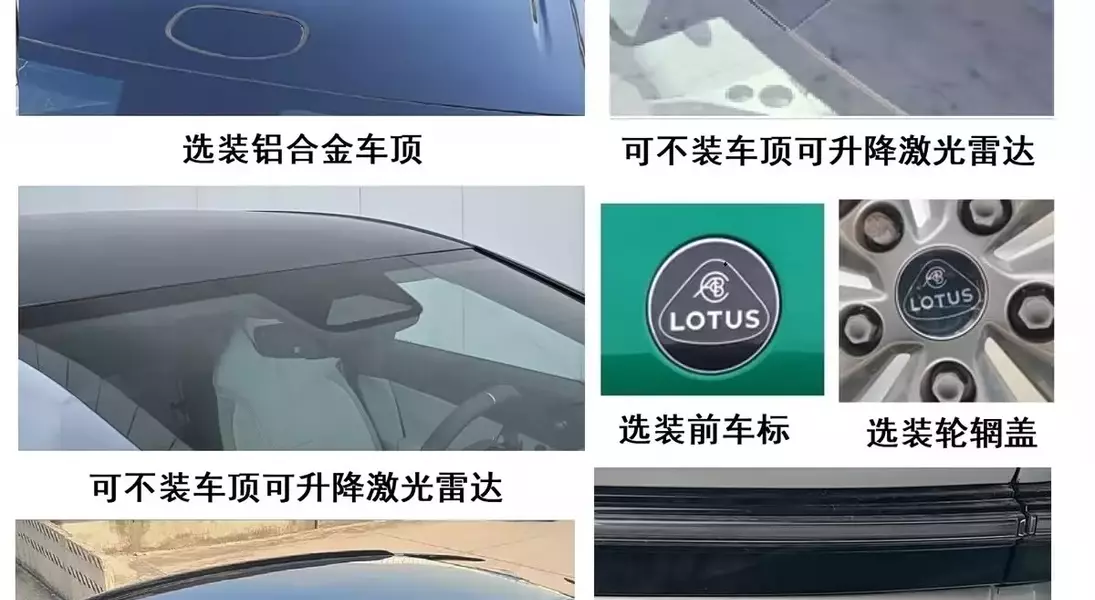
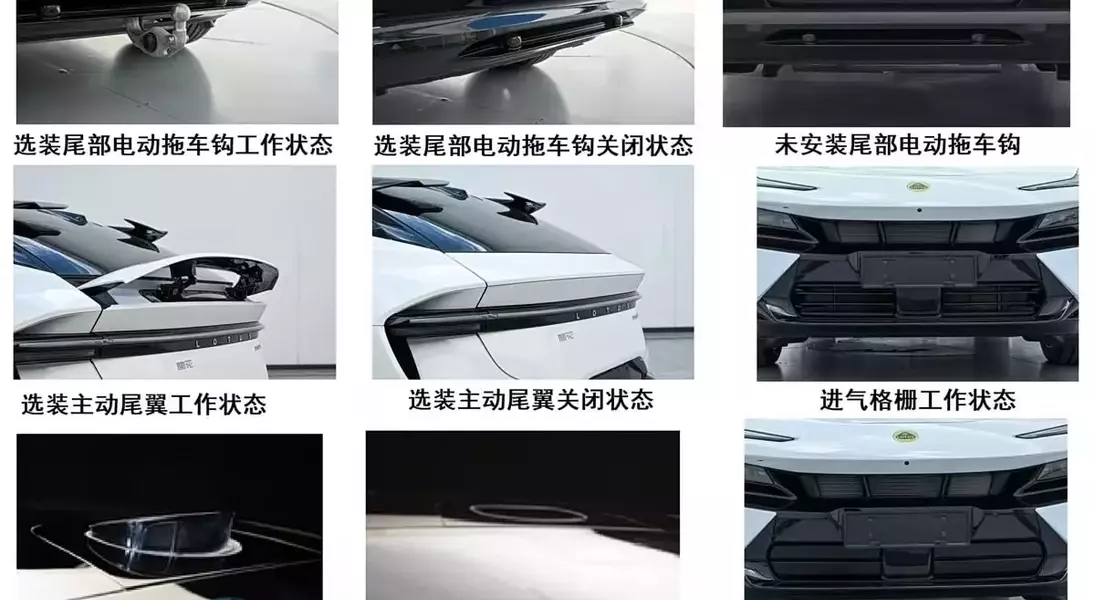
The initial outcome of this strategic shift is the Eletre plug-in hybrid SUV. Pertinent details about this new model emerged from regulatory submissions to China’s Ministry of Industry and Information Technology (MIIT). These documents offered an advance preview of the vehicle, which was temporarily referenced as the “For-Me” during the filing process. Despite the provisional name, it is clear that Lotus is firmly entering the plug-in hybrid segment, commencing with its largest SUV model, which was previously exclusively electric.
The Eletre PHEV features a 2.0-liter turbocharged four-cylinder engine generating 279 horsepower, complemented by an electric motor whose specific details are yet to be disclosed. This combination is expected to deliver a total output of up to 952 horsepower, firmly placing it in the realm of high-performance SUVs. Initial performance indicators suggest that the vehicle will be capable of accelerating from 0 to 62 mph in approximately three seconds, although these figures await official confirmation from Lotus.
Regarding energy storage, the Eletre PHEV is anticipated to offer battery options including 50 kWh and 70 kWh capacities. These batteries will be integrated into a 900-volt electrical architecture, a system shared across other projects backed by Geely. With the combined power sources, the vehicle is projected to achieve a total range exceeding 620 miles, enhancing its appeal in regions where electric charging infrastructure is still developing.
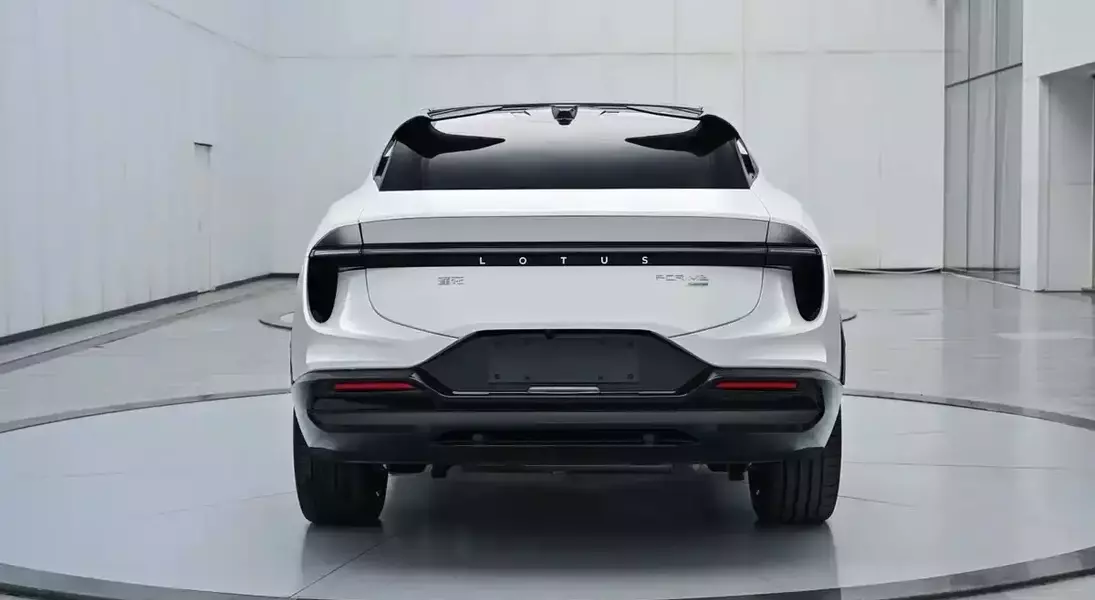
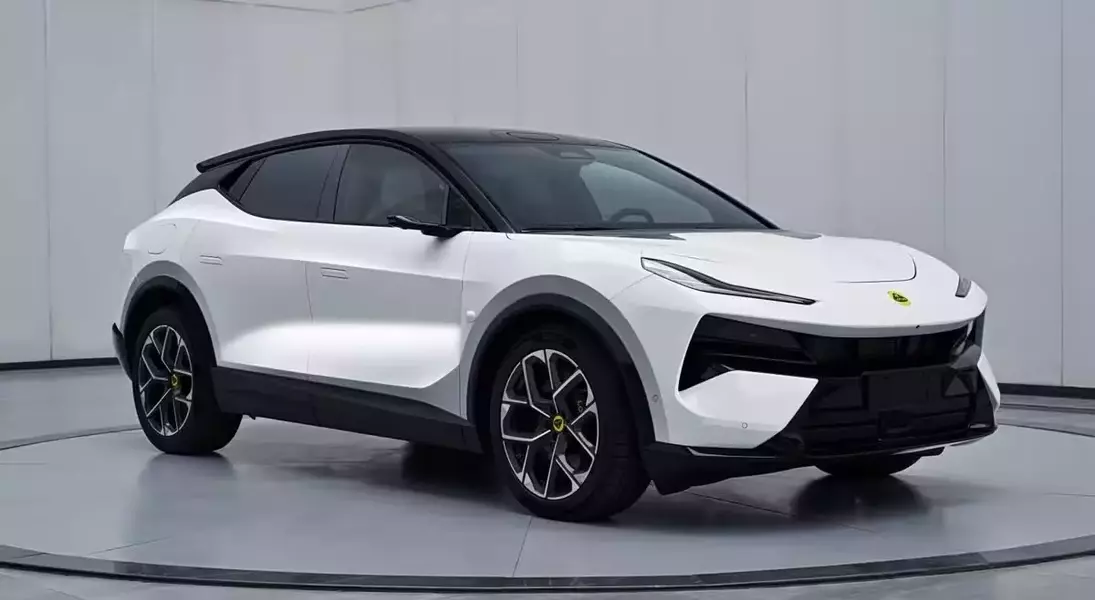
Visually, the plug-in hybrid variant maintains a strong resemblance to the all-electric Eletre. Its external dimensions remain consistent, and it incorporates active aerodynamic elements such as a retractable rear spoiler, contributing to a low drag coefficient. Furthermore, a deployable LiDAR unit is observed, which is likely to improve both the vehicle’s airflow dynamics and its advanced driver-assistance capabilities.
While comprehensive interior specifications are still under wraps, the Eletre PHEV is expected to feature a cabin rich in technology, mirroring the all-electric model. This includes large digital displays, state-of-the-art driver assistance systems, and a selection of premium materials. Given the SUV’s substantial dimensions, the integration of hybrid components is not anticipated to reduce passenger space. The official unveiling of the vehicle is slated for January 2026.
Lotus’s commitment to its “Super Hybrid” strategy indicates that additional plug-in models will follow the Eletre, with the Emeya potentially being next in line. For the time being, the Emira will continue to be powered solely by an internal combustion engine, serving as a transitional model that links Lotus's traditional roots with its progressively hybridized future. Reports also suggest the introduction of another plug-in hybrid, positioned beneath the Eletre within the product hierarchy.
