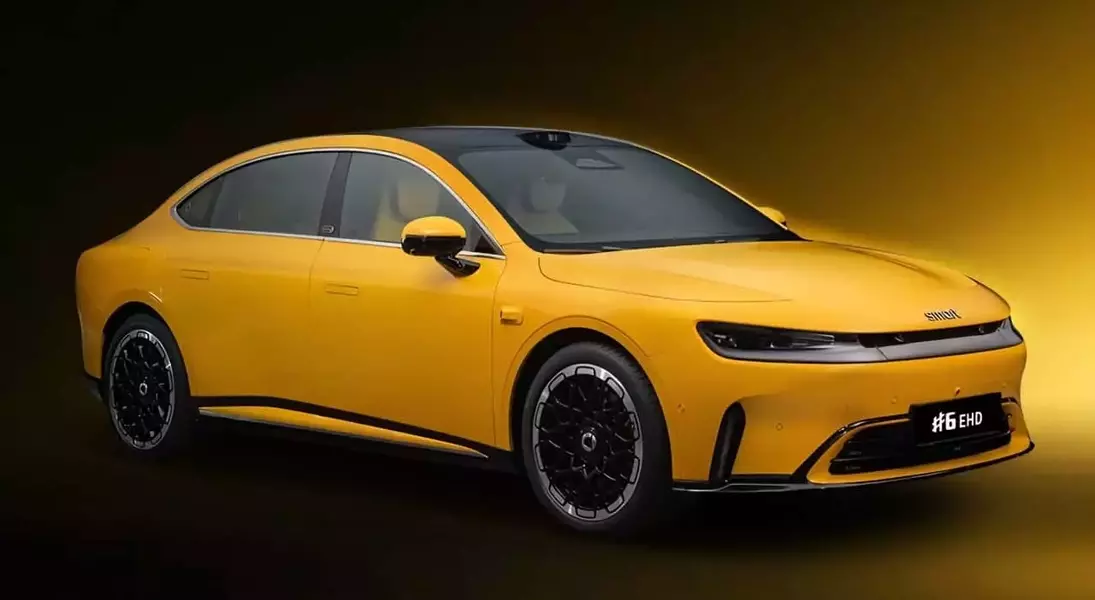


Smart, a brand synonymous with compact urban vehicles, has unveiled its most substantial creation yet: the #6 sedan. This new plug-in hybrid model represents a significant departure from Smart's traditional offerings, boasting dimensions that would rival many mid-size luxury cars. Its introduction highlights the brand's transformation following its 2019 joint venture with Geely, signaling a strategic shift towards larger, more versatile vehicles with advanced powertrain technologies.
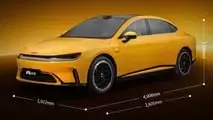
The #6 sedan stands at an impressive 4,906 millimeters (193.1 inches) in length, making it the largest vehicle ever produced by Smart. To put this into perspective, it's roughly the same size as a classic BMW 7 Series E32 and nearly twice the length of two original Smart ForTwo city cars. This considerable increase in size challenges the perception of Smart as exclusively a manufacturer of small, urban-friendly cars.
Under the hood, the #6 features a plug-in hybrid system, combining a 1.5-liter combustion engine with an electric motor. While specific power output details for each component were not fully disclosed, the combined system is rated at a robust 429 horsepower. This powertrain choice is a clear indication of Smart's commitment to hybrid technology, following the introduction of its first plug-in hybrid in the #5 crossover earlier in 2024.
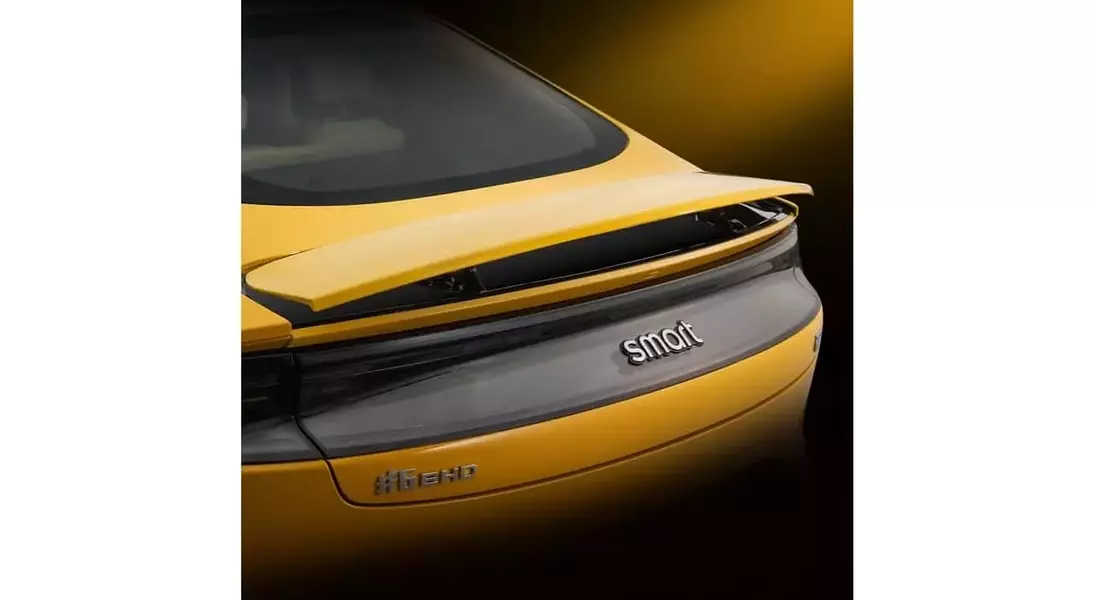
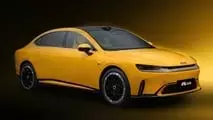
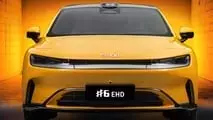
The vehicle's generous dimensions are further emphasized by its substantial 2,926-millimeter (115.1-inch) wheelbase, contributing to what is expected to be a spacious interior. The #6 measures 1,922 millimeters (75.6 inches) wide and 1,508 millimeters (59.3 inches) tall. It rides on striking 20-inch wheels, which, despite their intricate design, may pose a challenge for maintenance. Additional features include an active rear spoiler and a roof-mounted LiDAR system, underscoring the vehicle's advanced technological integration.
Smart claims an impressive total driving range of 1,810 kilometers (1,125 miles) for the #6 with a full tank and a fully charged battery. However, it's important to note that this figure is based on the CLTC test cycle, which is known for its more optimistic range estimations compared to other global standards. When operating solely on electric power, the car is said to achieve 285 kilometers (177 miles) on a single charge. Furthermore, its fuel consumption as a plug-in hybrid is projected to be 3.9 liters per 100 kilometers (60 miles per gallon), an efficient figure for a vehicle of this size and power.
Although interior images have yet to be released, it is highly probable that the #6 will feature a digital-heavy cabin, with multiple large screens dominating the dashboard. This design trend is prevalent in the Chinese market, where consumers often favor extensive digital displays over traditional physical controls. This shift is influencing global automotive design, as legacy manufacturers adapt to compete with innovative newcomers from China.
The #6 sedan is slated for release in China next year, and current indications suggest it will primarily remain a local market product. Meanwhile, Smart is also focusing on its European strategy, with plans to revive the spirit of its iconic ForTwo model through the upcoming #2, signaling a dual approach to cater to different regional market demands.
The introduction of the Smart #6 represents a pivotal moment for the brand, demonstrating a bold evolution from its heritage of small city cars to a future embracing larger, technologically advanced plug-in hybrids. This new sedan, with its imposing size, powerful hybrid powertrain, and advanced features, redefines Smart's identity and its ambitions in the global automotive landscape, particularly within the competitive Chinese market.
