A significant shift is on the horizon for the automotive industry, specifically within the used car market. The expiration of a large volume of electric vehicle (EV) leases, many of which were initiated under generous federal tax credit programs, is poised to create an unprecedented surge in available pre-owned EVs. This impending wave, primarily commencing in mid-2026, will not only reshape the electric vehicle segment but also ripple through the broader used car landscape. This dynamic will present both exciting opportunities for consumers seeking affordable EVs and strategic challenges for dealerships navigating an evolving inventory.
The Impending Influx of Used EVs: A Market Transformation
In the vibrant automotive market, a notable phenomenon is about to unfold. Between January 2023 and September 2025, over 1.1 million electric vehicles were leased under highly attractive terms, bolstered by a substantial $7,500 federal tax credit, officially known as the Commercial Clean Vehicle Credit (IRS 45W). This incentive significantly boosted EV leasing rates, with nearly half of all new EVs leased by the second quarter of 2024, and almost 58% by the second quarter of 2025, according to data from TransUnion, S&P Global Mobility, and Experian.
As these leases, predominantly 36-month terms, begin to expire, a massive influx of three-year-old EVs will hit the used car market, particularly starting in April 2026. This surge marks a distinct departure from traditional lease-end scenarios. Historically, high vehicle market values during the pandemic meant lessees often purchased their cars. However, for these early EVs, current market values are frequently below their predetermined buyout prices, encouraging a higher rate of returns to dealerships.
Industry experts, including Jeremy Robb, interim chief economist at Cox Automotive, highlight that EV and plug-in hybrid leases have been the primary drivers of the recent leasing resurgence. Cox Automotive projects that the proportion of EVs among off-lease vehicles entering wholesale auctions will nearly triple between September 2025 and September 2026, rising from approximately 5% to 15%. On an annual basis, this figure is expected to climb from under 5% in 2025 to about 12.5% in 2026, and nearly 19% in 2027. Already, in California, EVs account for 20% of used cars at Manheim auctions.
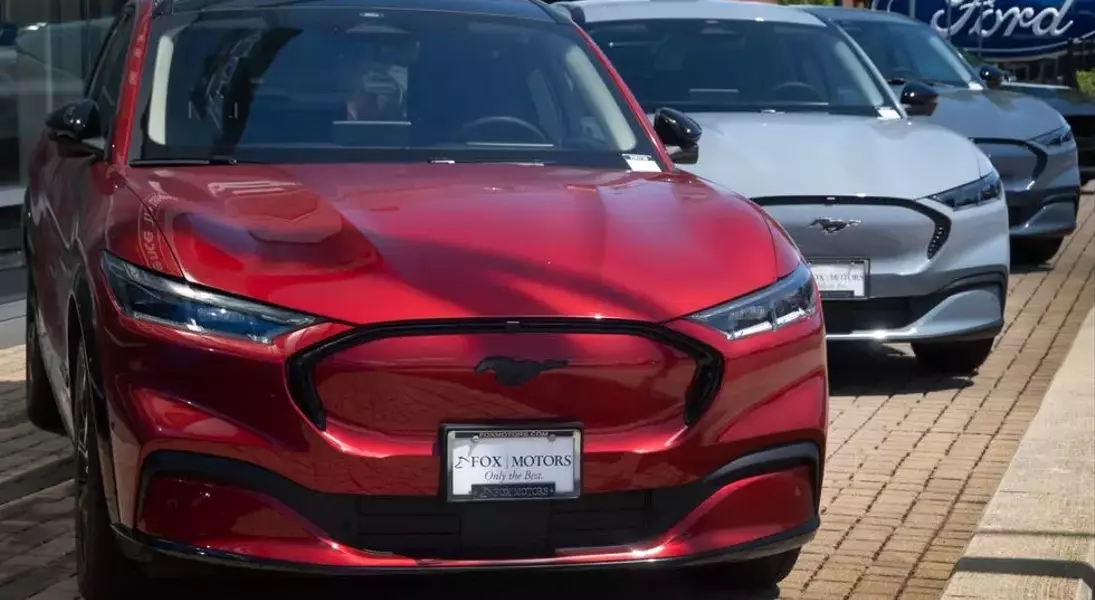
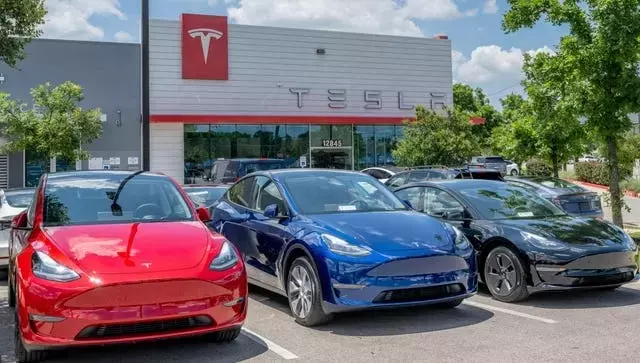
Among the models anticipated to be most abundant are the Tesla Model Y, Tesla Model 3, Hyundai Ioniq 5, Volkswagen ID.4, and Ford Mustang Mach-E. The Jeep Wrangler 4xe is expected to lead among plug-in hybrids. Automakers are exploring strategies, such as extending leases or offering reduced buyout prices, to manage this increased volume of returns.
For current EV owners, especially those with models like the Tesla Model Y or Nissan Leaf, selling sooner rather than later might be advantageous, as the increased supply is likely to accelerate depreciation. This shift will ultimately benefit consumers, offering a wider selection of more affordable used EVs, as noted by CarMax. Conversely, the relative scarcity of gasoline-powered models in the used market could lead to increased prices for traditional vehicles, making used EVs an even more attractive bargain.
This impending market adjustment underscores a fundamental economic principle: supply and demand. The initial government incentives created a robust leasing environment for EVs, and now the culmination of those leases will reshape the secondary market. For consumers, this translates to a golden opportunity to acquire electric vehicles at more accessible price points, accelerating the transition to sustainable transportation. For dealers and manufacturers, it demands innovative strategies to manage inventory and effectively cater to a growing segment of second-time EV buyers and those integrating EVs into multi-car households. The evolving landscape promises a vibrant and competitive market for electric mobility, driving both affordability and broader adoption.
