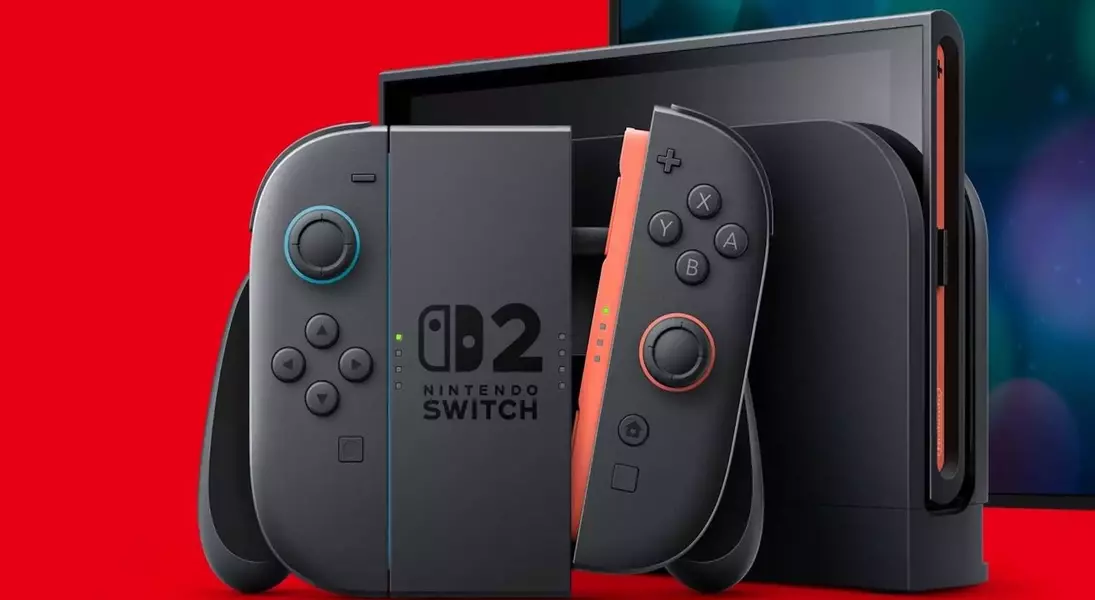
The gaming industry stands on the brink of significant changes, primarily driven by a global shortage of computer chips exacerbated by the soaring demands of artificial intelligence. This scarcity is compelling major console manufacturers, including Nintendo, to reassess their pricing strategies and product launch timelines. Despite earlier statements, Nintendo is now reportedly considering an upward adjustment for its forthcoming Switch 2, a move that mirrors similar actions taken by rivals Sony and Microsoft. The ramifications extend beyond pricing, potentially delaying the next generation of consoles and reshaping consumer expectations regarding technological advancements and affordability in the gaming world.
The Impending Price Adjustment of Nintendo Switch 2
Nintendo is reportedly contemplating a price hike for its next-generation console, the Switch 2, potentially increasing its retail price from the current $449.99. This consideration arises from the ongoing global RAM crisis, largely fueled by the insatiable demand for semiconductors from the artificial intelligence sector. Initially, Nintendo's president, Shuntaro Furukawa, had indicated that the company would resist immediate price increases. However, a recent report suggests that Nintendo is actively evaluating when such a price adjustment might occur, with some analysts pointing to 2026 or 2027 as potential timelines. This strategic shift underscores the intense pressure on manufacturers to maintain profitability amidst escalating component costs and resource scarcity.
The decision to potentially raise the price of the Switch 2 is not made in isolation. Competitors in the console market, such as Microsoft and Sony, have already implemented price increases for their respective hardware. Microsoft elevated the prices for its Xbox consoles twice in 2025, while Sony adjusted the pricing for the PlayStation 5 in the preceding year. This industry-wide trend suggests a shared challenge among gaming hardware developers in navigating the economic pressures imposed by the chip shortage. For Nintendo, an increase would mean consumers paying more for a device that, while innovative in its own right, might feature technical specifications less powerful than its contemporaries. The company may attempt to bundle such a price change with hardware refreshes or new features, although the persistent chip crisis could mean that any future iteration of the Switch 2 would still face similar cost pressures, potentially making the price hike primarily a measure to offset profit losses rather than introduce new benefits.
The Wider Impact of Chip Shortages on Console Generations
Beyond Nintendo's immediate pricing concerns, the pervasive chip shortage is casting a long shadow over the entire video game industry, significantly affecting the development and release schedules of next-generation consoles. Sony, for instance, had initially aimed for a PlayStation 6 release around 2027, a target that was subsequently pushed back to 2028. Recent reports indicate that even this revised timeline might be overly optimistic, with a 2029 release date now considered a real possibility. Such a delay would mark an unprecedented nearly decade-long gap between console generations, a significant deviation from the traditional seven-year cycles observed between previous PlayStation iterations.
The escalating demand from the AI sector for semiconductor resources is the primary culprit behind these extensive delays. Companies like OpenAI are securing vast proportions of future semiconductor supplies, leaving other industries, including gaming, to contend with dwindling resources and surging costs. This competitive landscape is not only impacting the development of new hardware but also driving up the prices of existing consoles and accessories. What was once considered an exorbitant price for a new console just a few years ago might soon become the standard. The extended wait times for new consoles, while potentially allowing existing hardware to mature and developers to fully explore their capabilities, fundamentally alters the consumer experience and the traditional rhythm of technological advancement within the gaming industry, setting a new precedent for how long players might have to wait for the next leap in gaming innovation.
