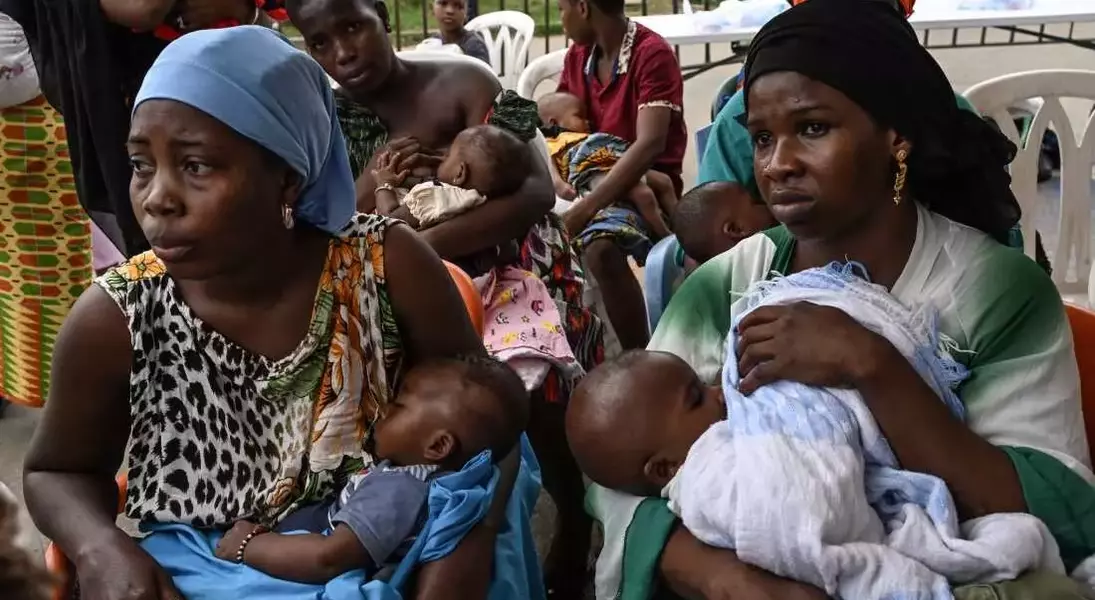
A remarkable public health triumph, the consistent decline in child mortality over the past two decades, now faces an unprecedented setback. The hard-won progress, which saw deaths of children under five nearly halved between 2000 and 2020, is on the verge of reversing, casting a somber shadow over global health aspirations. This alarming shift is primarily driven by substantial reductions in international health aid, threatening the lives of millions of vulnerable children.
Global Health Crisis: Rising Child Mortality Forecasted
In a deeply concerning development, 2025 is projected to mark the first year this century where the global rate of child deaths under the age of five will rise. This stark forecast comes from the Institute for Health Metrics and Evaluation (IHME) at the University of Washington in Seattle, whose modeling work indicates an increase of over 200,000 child deaths, bringing the total to an estimated 4.8 million. This reverses a two-decade trend of steady improvement in child survival rates, a period during which global efforts, including widespread vaccination programs, significantly reduced fatalities.
Dr. Steve Lim, a key researcher at IHME, highlighted that while direct observational data on child mortality takes time to gather, their mathematical models, informed by historical data linking health spending and child outcomes, point to a critical factor: a dramatic cut in foreign aid. In 2024, foreign aid for health stood at approximately $49 billion, but this figure is expected to plummet to $36 billion in 2025—a staggering 26% reduction. This substantial decrease, exacerbated by similar cuts from major donor nations like the United Kingdom, France, and Germany, is having a disproportionate impact on low-income countries and nations in Sub-Saharan Africa, regions heavily reliant on such aid for their health budgets. Some of these countries are facing up to a 20% reduction in their health expenditures, a situation that health experts, including Brooke Nichols of Boston University, describe as “horrific” and likely to have severe repercussions on essential health services.
The IHME’s findings, also featured in the Gates Foundation’s annual Goalkeepers Report, underline several future scenarios. Should current funding cuts persist at 20% below 2024 levels, an additional 12 million children could perish by 2045 beyond initial expectations. A more severe 30% cut could push this grim total to 16 million additional deaths. Conversely, a recommitment to 2024 funding levels, coupled with the rollout of new health innovations like vaccines and improved maternal care, could save 12 million children by 2045.
This impending crisis serves as a stark reminder of the fragile nature of global health progress. As Nichols eloquently stated, behind the statistics are individual human lives. Each percentage point of increase in mortality represents a child, a family, and a future lost. The global community faces a critical juncture, where policy decisions regarding international aid will determine the fate of millions of the world’s most vulnerable population.
