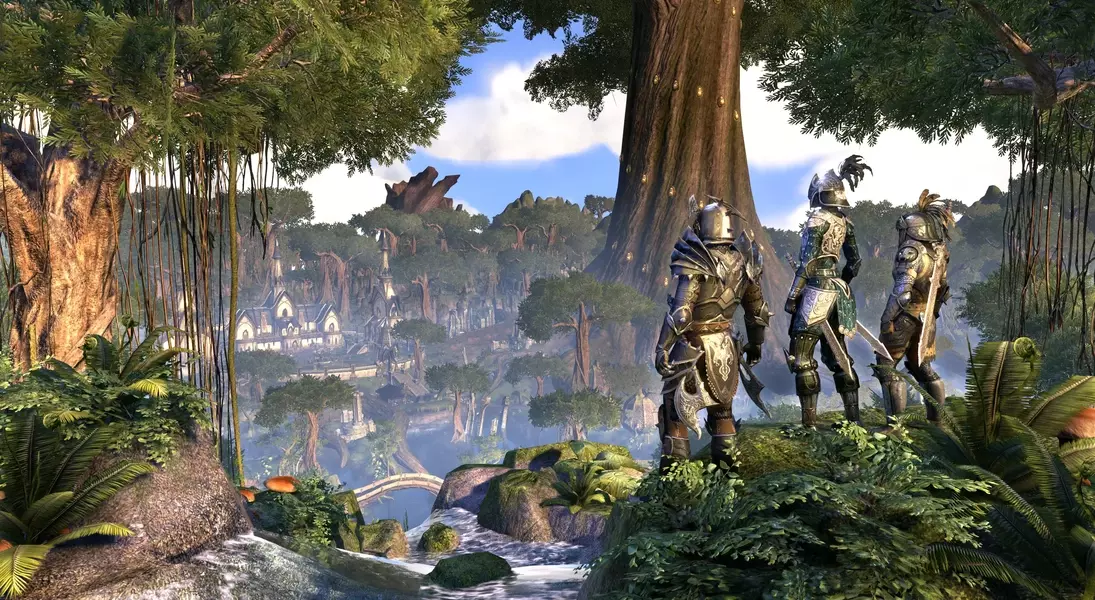
The gaming industry is currently grappling with the escalating costs and extended timelines associated with creating ambitious titles, a trend exemplified by the highly anticipated RPG, The Elder Scrolls 6. This game, despite being announced eight years ago, is still a considerable distance from its launch, reflecting the significant challenges and strategic shifts within the sector, particularly for publishers like Xbox.
The Odyssey of The Elder Scrolls 6: A Deep Dive into Development Hurdles and Strategic Imperatives
In the dynamic and often tumultuous landscape of video game development, Bethesda's highly anticipated role-playing game, The Elder Scrolls 6, remains a focal point of industry discussion. Despite its initial announcement eight years prior, the game is reportedly still several years away from completion, according to insights shared by Bloomberg reporter Jason Schreier. This extended development cycle places immense pressure on Bethesda, particularly in light of recent strategic directives from Xbox, which is reportedly "doubling down" on its flagship franchises amidst internal challenges and significant organizational restructuring.
Schreier, a prominent voice in reporting on Xbox's recent layoffs and operational adjustments, disclosed during a Bloomberg Q&A session with Edward Ludlow that TES6 is projected to be "at least two or more years away" from concluding its development phase. Should Bethesda manage to finalize the sequel within this timeframe, it would mark a development period spanning approximately a decade. This duration, while extensive, is not unprecedented for titles of such grand scale and ambition, particularly considering the reported internal complexities and management issues within the Xbox division. For context, the foundational work on Grand Theft Auto 6 commenced around 2014, with production intensifying by 2019, while Final Fantasy XV also reportedly took a similar span of ten years to complete.
The colossal investment in time and financial resources required to sustain such prolonged development cycles elucidates why fewer publishers are venturing into equally ambitious endeavors in contemporary console generations. For games like TES6, the stakes are exceptionally high, where even robust sales figures might not fully offset the astronomical development and marketing expenditures.
Despite these formidable challenges, there remains a palpable sense of anticipation and optimism for TES6. Bethesda and Xbox frequently allude to the game in public discourse, signaling ongoing progress, even if detailed updates are scarce. Reports indicate that TES6 has emerged as Bethesda's paramount focus and has advanced sufficiently to enter preliminary playtesting phases. While Bethesda acknowledges that the current build may not be entirely stable, CEO Todd Howard has confirmed that he and his team are meticulously refining the game's core mechanics and overarching design. This unwavering dedication suggests a commitment to delivering a product that not only meets but potentially redefines industry standards.
Reflections on the Evolving Landscape of AAA Game Development
The extended development timeline for The Elder Scrolls 6 serves as a poignant illustration of the increasingly complex and resource-intensive nature of modern AAA game production. In an industry where technological advancements continue to push creative boundaries, the pursuit of immersive and expansive virtual worlds demands unprecedented levels of investment and a willingness to embrace protracted development cycles. This scenario compels both developers and publishers to critically evaluate their strategic priorities, balancing ambitious vision with financial prudence and market realities. The journey of TES6 underscores a broader industry trend: the creation of groundbreaking gaming experiences is no longer a sprint but a marathon, fraught with challenges but brimming with the potential for unparalleled artistic and commercial triumphs.
