A recent legal development sees Logitech embroiled in a class-action lawsuit, with plaintiffs seeking to reclaim funds they allege were unfairly collected from American consumers. This legal challenge centers on the tariffs implemented during the previous presidential administration.
Details of the Legal Action Against Logitech
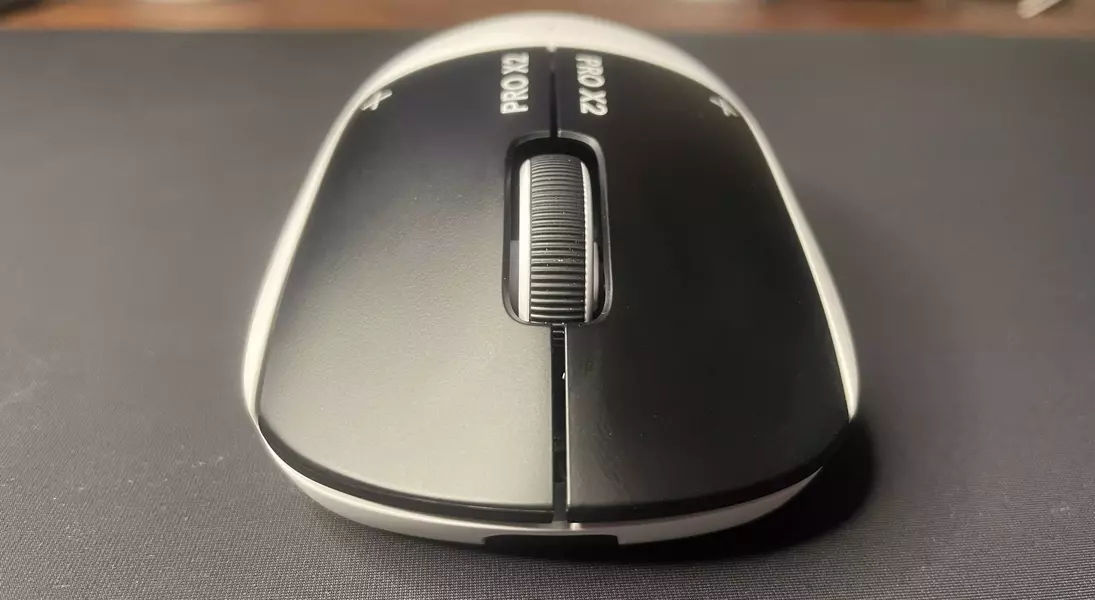
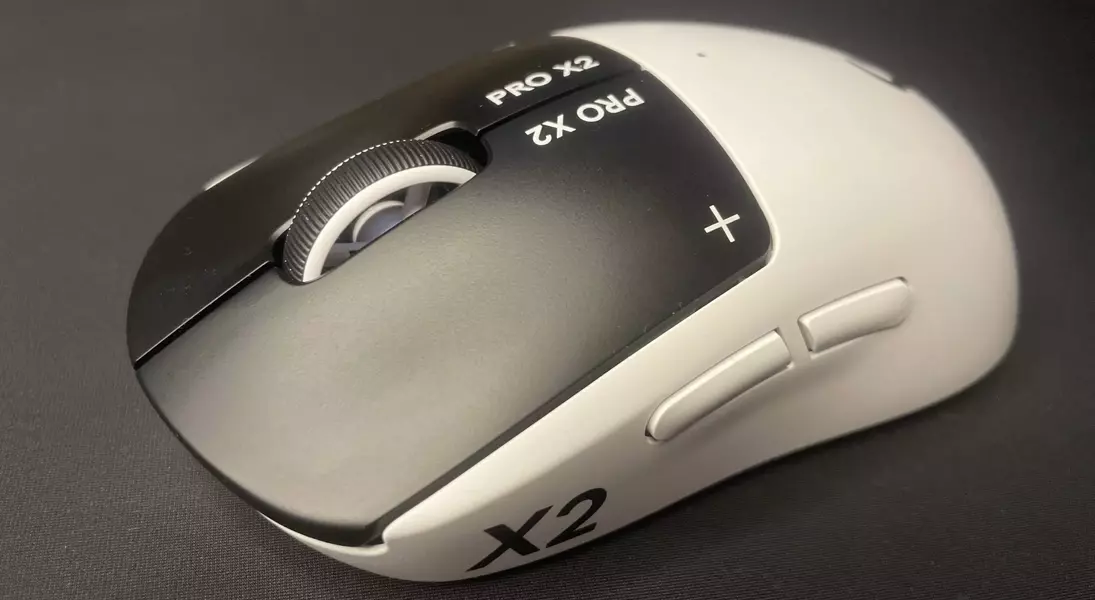
The lawsuit, initiated by SJK Development, a construction firm, and a California resident, was formally submitted to the US District Court for the Northern District of California, San Jose Division, last week. Both plaintiffs assert that they purchased Logitech mice at elevated prices, which were affected by the tariffs. The core of the complaint posits that Logitech, a prominent multinational corporation and its U.S. subsidiary, took advantage of its customer base by raising prices across its product range, ostensibly to offset tariff costs. The complaint further alleges that the company then failed to return these tariff-related proceeds once the U.S. Supreme Court declared the tariffs unlawful.
Although Logitech did not publicly announce any price increases, internal communications from its executives, particularly during earnings calls, indicate discussions regarding higher prices and profits intended to counteract the impact of these tariffs. For instance, the company's CFO, Mr. Anversa, reportedly attributed an expansion in gross margins, approximately 130 basis points year-over-year in the fourth quarter, partly to pricing adjustments made by Logitech's U.S. subsidiary. He noted that these pricing actions, combined with favorable currency fluctuations, more than compensated for the tariffs and promotional expenses.
The tariffs in question, enacted under the International Emergency Economic Powers Act (IEEPA) during the Trump administration, were ruled unconstitutional by the U.S. Supreme Court in February of this year. The Court determined that the president lacked the authority to impose them. Following this ruling, Logitech received a substantial refund of $61 million as part of the tariff reimbursement process. The class-action lawsuit aims to compel Logitech to distribute a portion of these funds to its affected customers.
The legal filing argues that Logitech has been unjustly enriched twice: first, through the tariff-inflated charges collected from consumers, and second, by retaining the government's refund of the very duties these overcharges were meant to cover. This scenario is not isolated to Logitech; several other technology companies, including major players like Nintendo, Sony, and Microsoft, have encountered similar legal challenges concerning tariff refunds. In a notable instance earlier this month, the PC cooling manufacturer Arctic announced a price reduction for its U.S. customers, committing to pass on its own tariff refund until the entire amount was returned to consumers.
This evolving legal landscape underscores a critical debate about corporate responsibility and consumer rights in the wake of government policy changes. The outcomes of these lawsuits are eagerly awaited, as they could establish significant precedents for how companies manage and eventually return funds related to government-imposed costs to their customers.
This ongoing situation prompts a broader reflection on corporate accountability. When unforeseen financial burdens like tariffs are passed directly to consumers, there is an expectation that any subsequent refunds or reversals of these burdens should similarly benefit the consumers who bore the initial cost. The case against Logitech, and similar actions against other tech giants, highlight the necessity for transparency and fairness in pricing strategies. It suggests that companies have a moral, and increasingly a legal, obligation to ensure that their customers are not inadvertently penalized by fluctuating economic policies. Moving forward, these legal battles may shape future corporate conduct, fostering a more equitable relationship between businesses and the consumers they serve.
