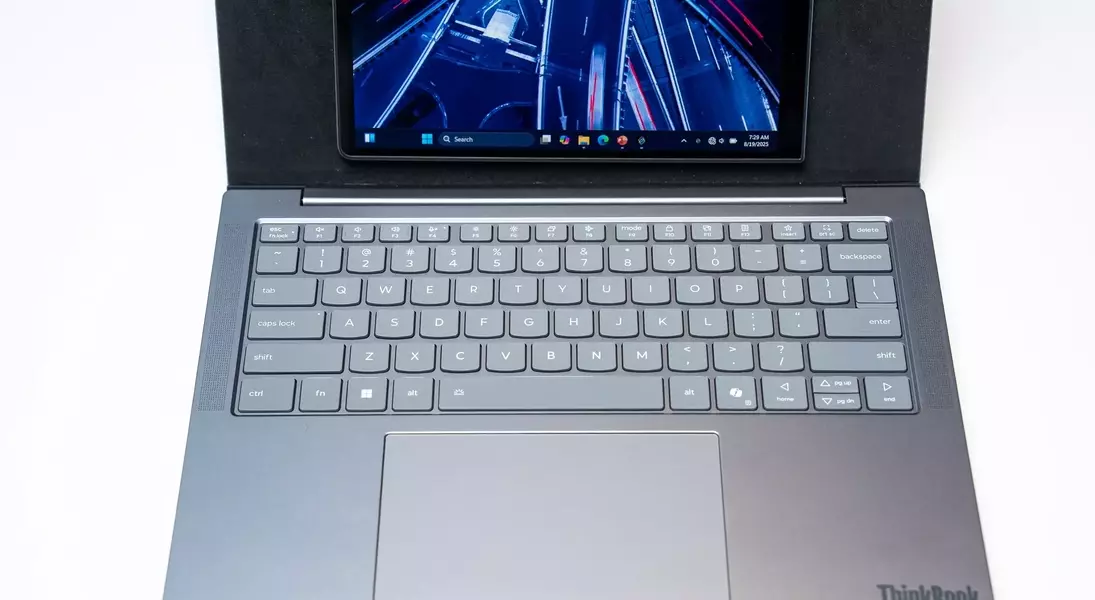
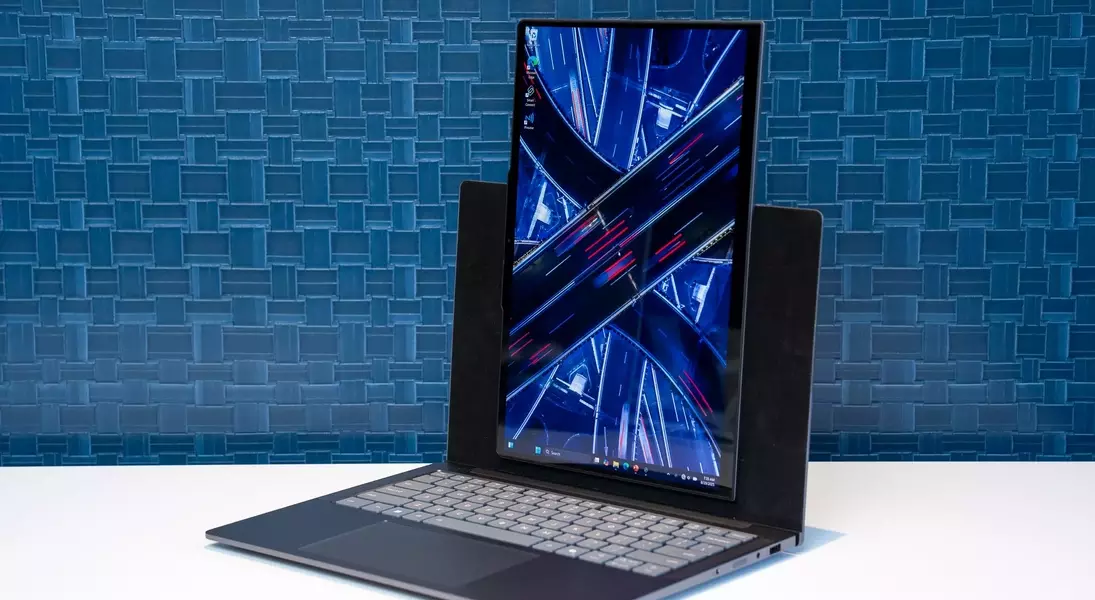
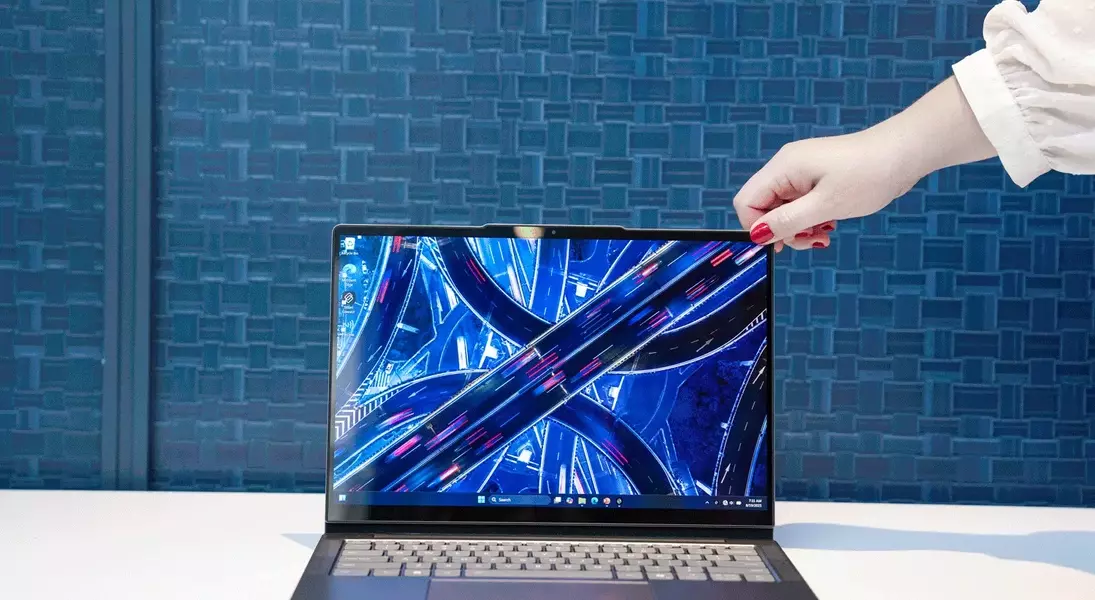
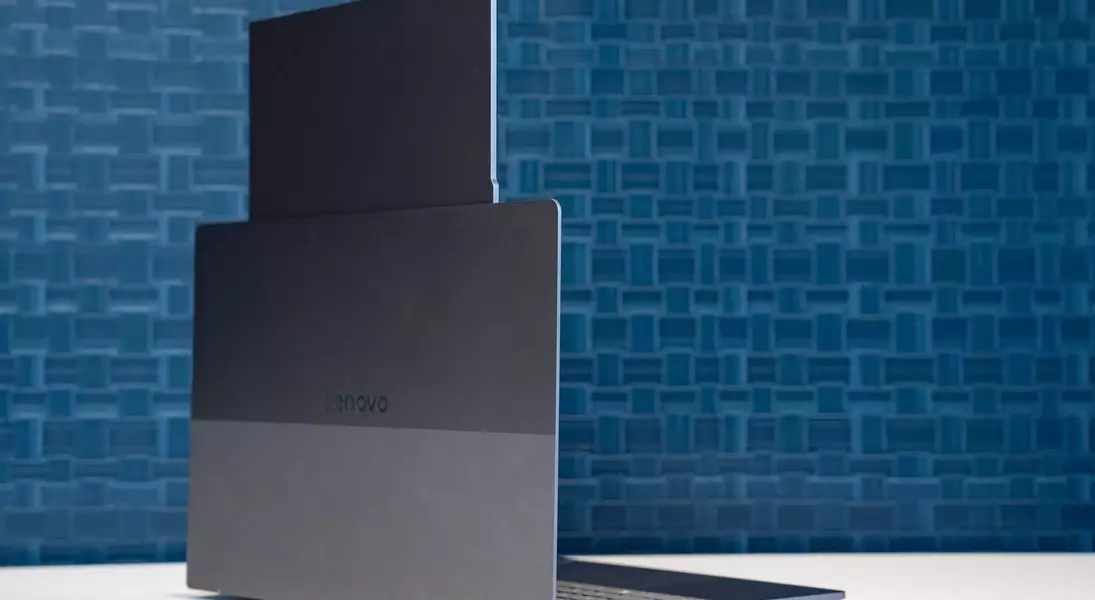
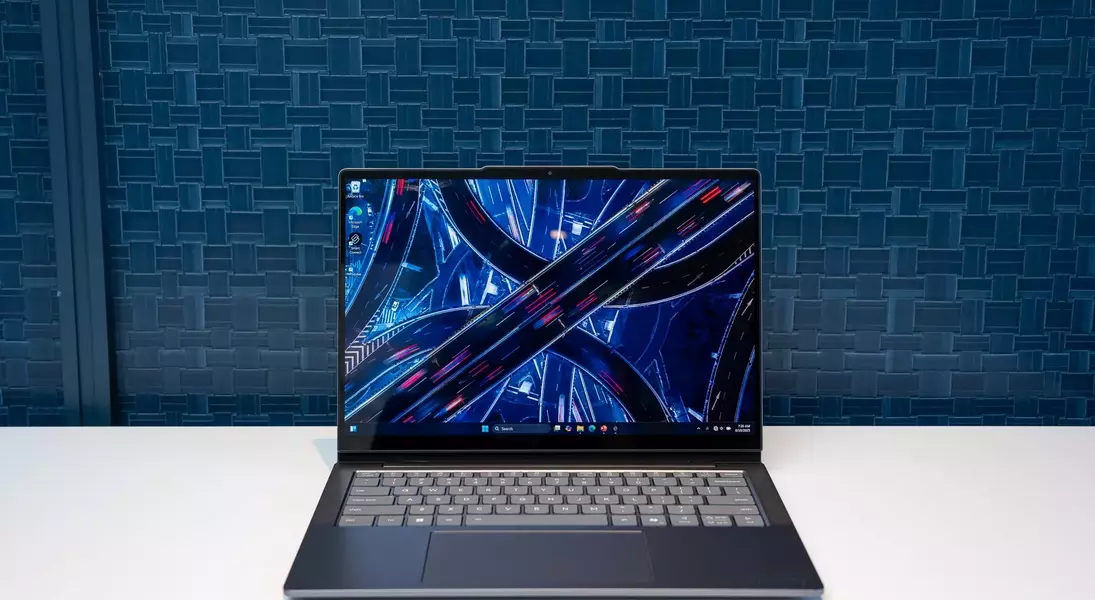
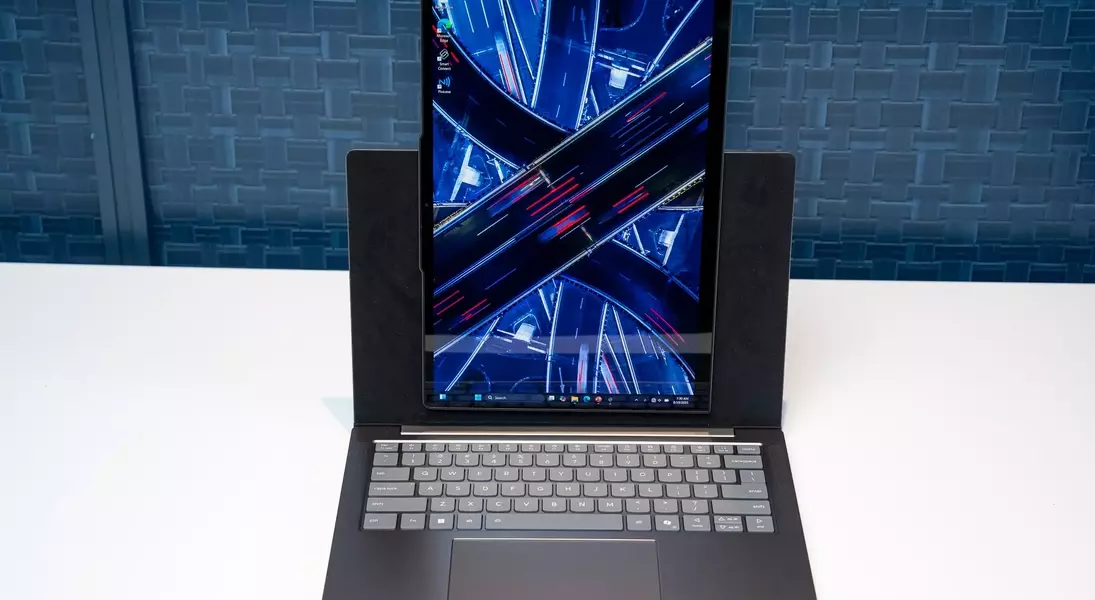
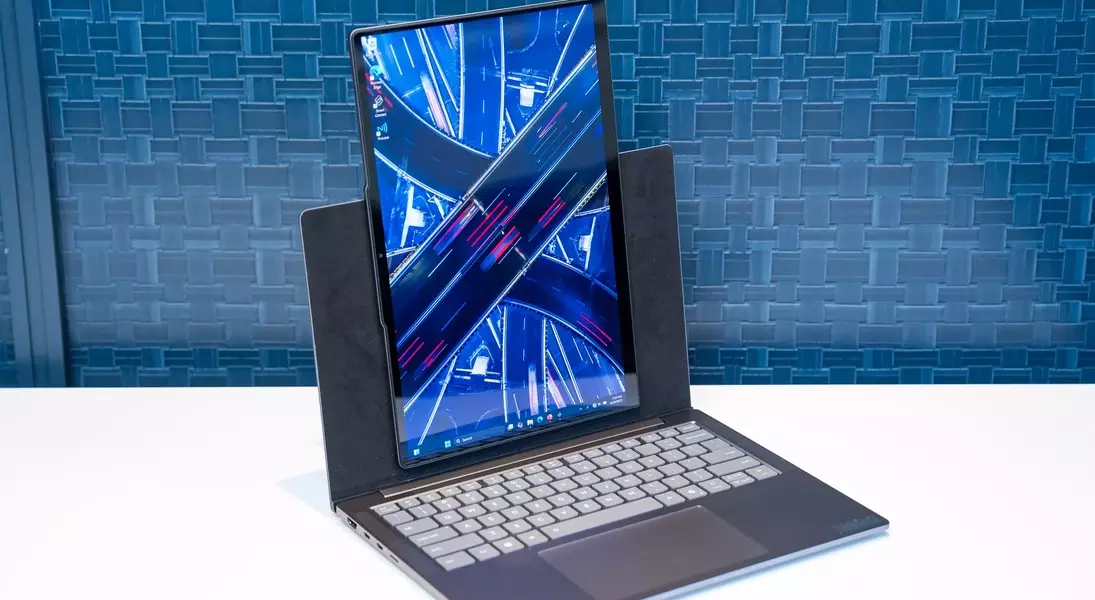
Lenovo has unveiled a new and intriguing concept that reimagines laptop utility: the ThinkBook VertiFlex. This 14-inch laptop features a display that seamlessly pivots into a vertical orientation. This design choice, while seemingly subtle, addresses diverse user needs, from enhanced document readability to optimized coding environments and effortless vertical content consumption. The VertiFlex stands out from its more complex predecessors by employing a comparatively straightforward rotating mechanism, hinting at a higher potential for its eventual market release as a functional device.
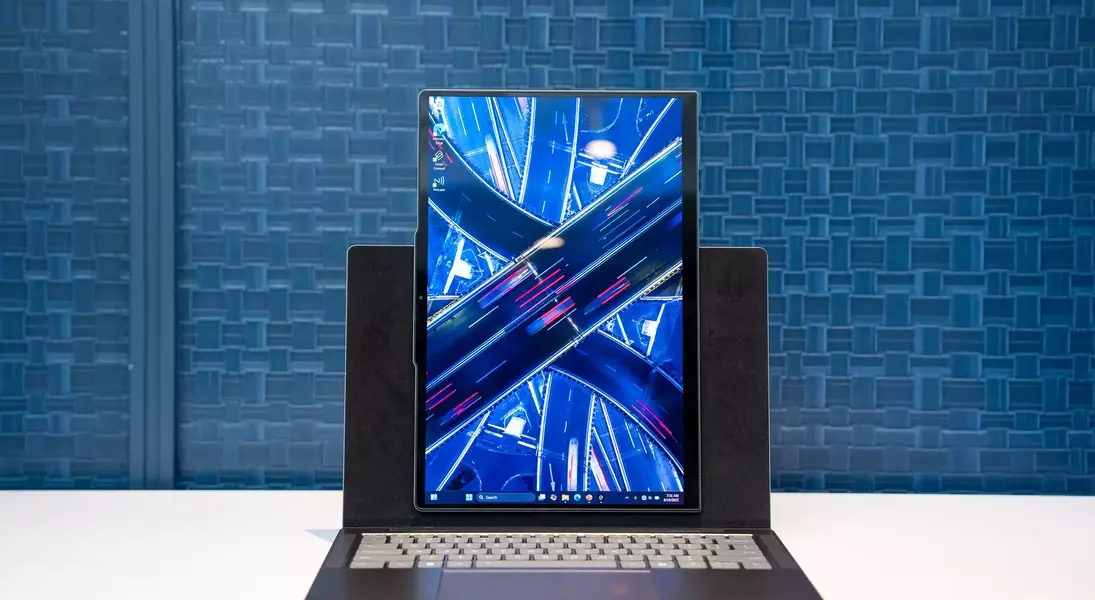
The tech giant has consistently pushed boundaries in laptop design, introducing devices with adaptable screens that unfurl, fold, and even become transparent. Now, at IFA 2025, Lenovo is once again turning heads with a concept model that allows its display to rotate 90 degrees. This unique feature transforms the standard 14-inch productivity laptop into a versatile tool, enabling users to switch between traditional landscape and an upright portrait orientation with a simple nudge.
This innovative design is a refreshing departure from some of Lenovo's more extravagant concepts, such as those featuring sophisticated flexible OLED panels or intricate motorized components. The VertiFlex prioritizes mechanical simplicity, utilizing a clever, concealed pivoting track system behind the display. This pragmatic approach suggests that the VertiFlex could transition from an experimental concept to a viable commercial product, offering a practical solution for users seeking greater screen versatility.
During a preliminary viewing in New York City, ahead of its official IFA debut in Berlin, the concept laptop was presented, sparking considerable interest. The ability to easily rotate the screen into a vertical position by hand offers significant advantages, particularly for individuals who frequently use their laptop displays as secondary monitors alongside larger external screens. This vertical orientation proves highly beneficial for tasks such as reviewing extensive documents, writing code, or simply browsing vertically-optimized content.
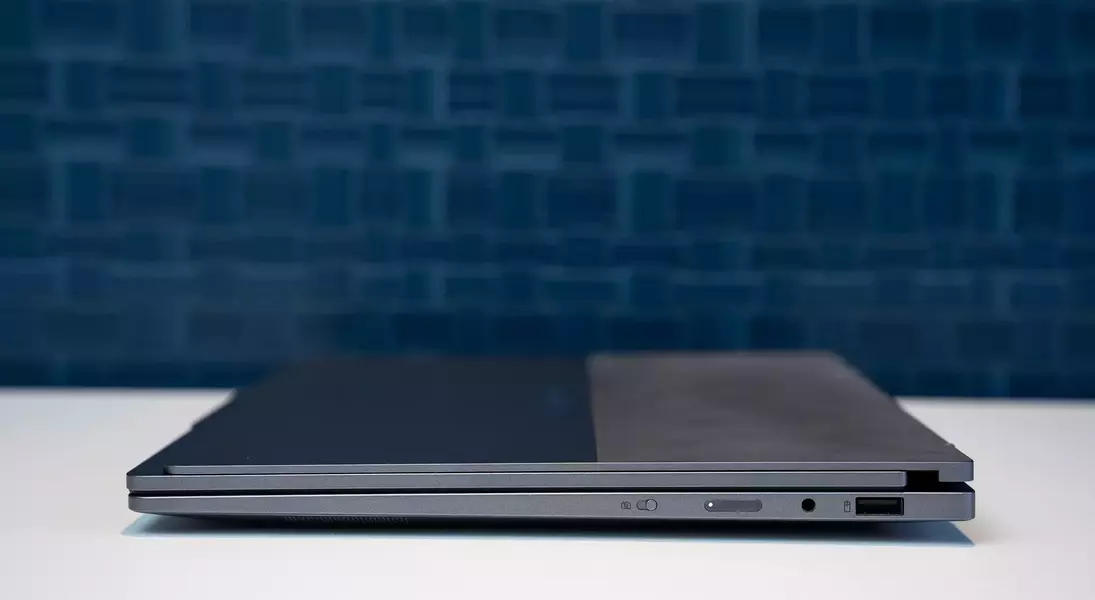
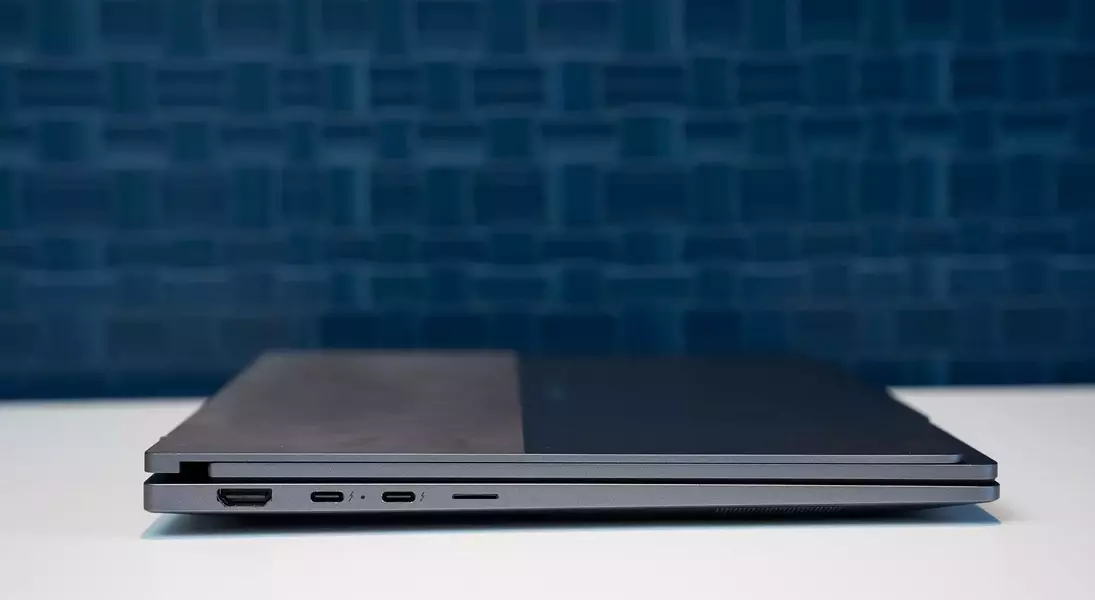
The laptop's design also incorporates thoughtful details; when the screen is in portrait mode, sufficient space remains on either side of the display for placing a smartphone. This arrangement facilitates the use of Lenovo's Smart Connect application, allowing for convenient file transfers and seamless control of an Android device using the laptop's mouse. Despite some minor functionality hiccups observed during the brief demonstration, the potential for an integrated, multi-device workflow is evident. In terms of hardware, while comprehensive specifications remain undisclosed, the concept unit seen featured multiple Thunderbolt ports, a USB-A port, HDMI, and a 3.5mm audio jack. The device measures 17.9mm (0.7 inches) in thickness and weighs 1.39kg (3.06 pounds), positioning it as a moderately portable option, albeit slightly less svelte than some conventional laptops.
Lenovo's continuous exploration of novel form factors, like the VertiFlex, underscores its commitment to innovation in the fiercely competitive laptop market. While the appeal of a rotating screen may vary among users, its potential for enhancing productivity and user experience is undeniable. The relative simplicity and scalability of the VertiFlex design, when compared to more complex and costly alternatives, suggest that this innovative laptop could become a more accessible option, should it move beyond the conceptual stage. This willingness to experiment and introduce unique functionalities ensures that Lenovo remains a compelling presence in the evolving landscape of personal computing devices.
