





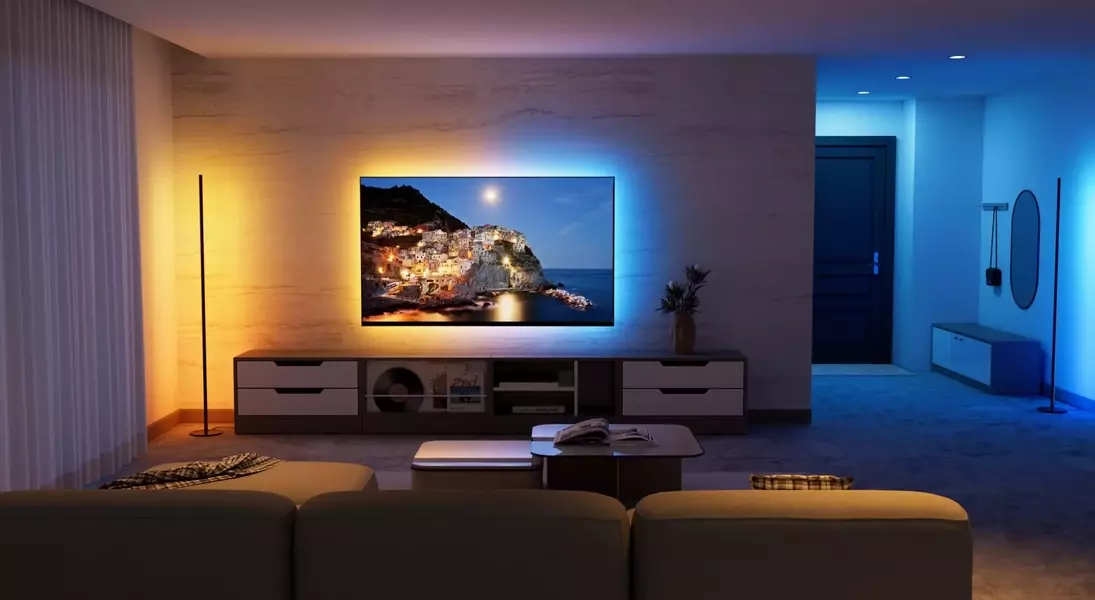

In an evolving landscape of smart home technology, Lepro is set to redefine user interaction with lighting through its groundbreaking AI Lighting Pro series. Traditionally, controlling smart lights involved intermediary devices like smartphones or dedicated smart speakers. However, Lepro's latest offerings, which feature microphones embedded directly into the power cords and an integrated voice assistant named LightGPM, aim to streamline this experience by providing seamless, direct voice command functionality. This strategic move by Lepro signifies a notable shift towards greater autonomy in smart home devices, allowing users to effortlessly manage their lighting environment without relying on additional gadgets.
The innovative lineup showcases a variety of lighting solutions, each designed with enhanced user experience in mind. The collection includes the S1-Pro AI light strip, the N1-Pro AI rope light offering diffused illumination, the slender OE1-Pro AI floor lamp with versatile RGB and warm-white settings for diverse moods, and the uniquely artistic TB1-Pro AI table lamp, distinguished by its three interconnected, adjustable rings. Beyond mere on/off functions and color changes, these lights leverage a large language model (LLM) to craft sophisticated lighting patterns and atmospheric effects in response to spoken cues. For instance, users can command the lights to adapt to activities like 'doing yoga' or even reflect emotional states such as being 'a very stressed-out Mets fan.' Although the specific pricing and US launch dates, beyond 'later in 2025,' remain unannounced, these products also support Wi-Fi connectivity and are compatible with existing platforms like Alexa and Google Assistant, though their primary appeal lies in their integrated voice control capabilities.
The introduction of the AI Lighting Pro series by Lepro underscores a broader industry trend where voice control is increasingly being integrated directly into various household appliances, moving beyond traditional smart speakers. This progression, while offering unparalleled convenience, also prompts consideration of the implications of having an increasing number of devices in our homes constantly monitoring ambient sounds. As more everyday items become 'always-listening,' the discussion around digital privacy and data collection intensifies. While the immediate benefits of such integrated systems are clear, the long-term impact on personal privacy and the extent of data shared with AI models warrant ongoing attention and consideration for consumers navigating this technologically advanced domestic environment.
The continuous advancement in smart technology, particularly with the integration of AI and voice command into everyday objects, heralds a future where interaction with our environment is more intuitive and seamless than ever before. This path towards greater technological integration in our homes should inspire us to critically evaluate not only the conveniences offered but also the ethical considerations and responsibilities that come with such powerful capabilities. Embracing these innovations while remaining vigilant about their broader societal implications ensures that technology serves humanity's best interests, fostering an environment that is both efficient and respectfully aware of individual privacy.
