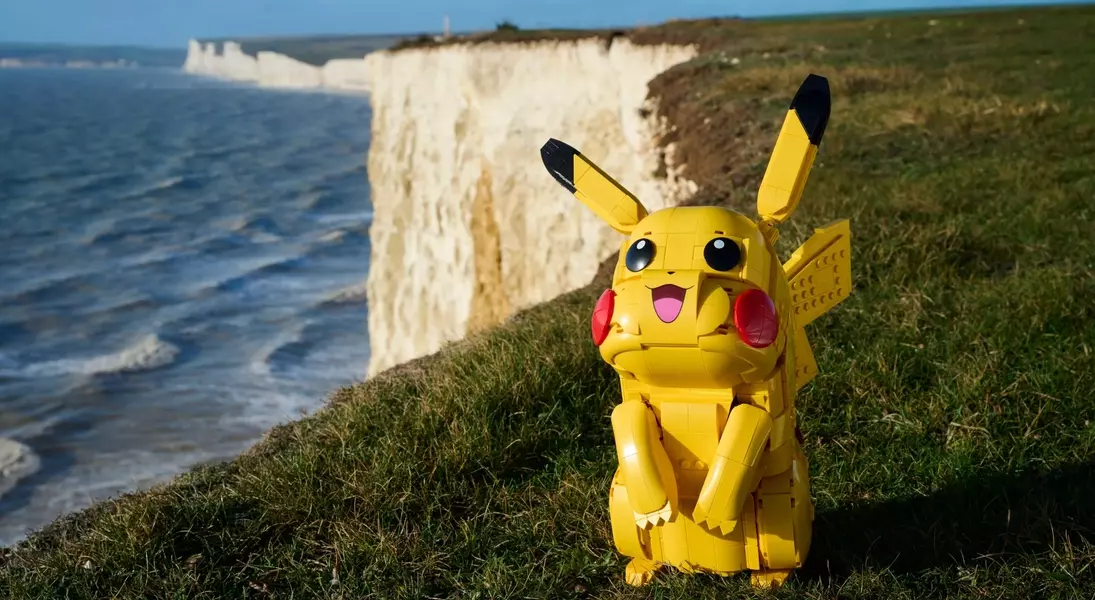
The recent launch of Lego's Pikachu and Poké Ball set has ignited a firestorm of discussion and disappointment among fans, primarily due to its design and pricing strategy. This sentiment is particularly pronounced when contrasted with previous, more favorably received releases from competitors. The criticisms suggest a significant disconnect between fan expectations and the product delivered, raising questions about value and aesthetic appeal.
Adding to the conversation, the broader Lego Pokémon collection, despite its initial setbacks, appears to be experiencing unexpected demand. This paradoxical situation — where fan complaints about specific items like Pikachu are vocal, yet sales persist — highlights the complex dynamics of brand loyalty, collector culture, and market interest. The quick sell-out of certain sets, even those facing criticism, underscores the enduring appeal of the Pokémon franchise and Lego as a brand, even amidst product controversies.
Lego Pikachu's Design and Cost Spark Fan Outcry
The highly anticipated Lego Pikachu set, launching alongside a Poké Ball, has unfortunately fallen short of fan expectations, largely due to its perceived awkward design and steep price point. Comprising over 2,000 pieces, the $199.99 cost for a model that many describe as looking like an animatronic character has been met with considerable backlash. Social media platforms are abuzz with comments from users expressing their dismay, often highlighting the figure’s blocky and somewhat unsettling facial features. The general consensus among a significant portion of the fanbase is that the design feels "off," leading to widespread expressions of disappointment and even disbelief regarding the aesthetic choices made by Lego for such an iconic character.
This current wave of dissatisfaction is further amplified when the Lego Pikachu is compared to an earlier Mega Bloks rendition of the character from 2022. Fans are quick to point out that the Mega Bloks version, which was significantly more affordable at around $47 and boasted a poseable “fat Pikachu” design, is considered superior in both appearance and value. Critics argue that Lego had an opportunity to innovate but instead delivered a product that is not only pricier but also aesthetically inferior to its competitor. The disparity in cost — especially when considering that a similarly sized Lego Eevee set is priced at a much lower $59.99 — has fueled accusations of price gouging, with fans questioning why the inclusion of a black stand and a Poké Ball justifies such a substantial price hike. This has led to a feeling among many that Lego has failed to deliver a product that truly resonates with the fanbase's expectations for quality and affordability.
Despite Criticism, Lego Pokémon Sets Experience High Demand
Despite the considerable amount of criticism aimed at the Lego Pikachu set, particularly concerning its design and high price, an interesting market phenomenon has emerged. Initial reports indicate that Lego's official website experienced significant traffic and loading issues shortly after the new Pokémon sets became available for purchase. This surge in demand suggests that, despite the vocal disappointment from a segment of the fanbase, there remains a strong underlying interest and purchasing intent for the broader Lego Pokémon collection. This dichotomy highlights the complex interplay between consumer sentiment expressed online and actual purchasing behavior, suggesting that brand loyalty and the inherent appeal of combining two beloved franchises might be outweighing individual product criticisms for many consumers.
Further underscoring this robust demand, some regions have already reported that the Lego Pikachu set has completely sold out. This rapid depletion of stock, even for a product facing widespread design and pricing complaints, reveals a powerful market dynamic. It indicates that either the complaints are not representative of the majority of consumers, or that the desire to own a piece of this much-anticipated collaboration is strong enough to overcome reservations about specific product features or cost. This unexpected success in sales, juxtaposed with the ongoing public outcry, offers a compelling case study on brand power and consumer psychology, where the allure of a new release from established franchises can drive purchases even in the face of perceived flaws.
