
A recent shift in Epic Games' policy for Fortnite has opened the floodgates for third-party developers to implement in-game purchases within their custom-created islands. While intended to foster creativity and reward creators, this change has quickly drawn criticism, particularly concerning one popular island named 'Steal the Brainrot.' This game has swiftly integrated a $37 premium bundle and gambling-like elements, igniting a debate over predatory monetization practices and the potential exploitation of young players within the Fortnite ecosystem.
Fortnite's New Monetization Policy Sparks Controversy with 'Steal the Brainrot'
In a move that mirrors the monetization strategies of platforms like Roblox, Epic Games announced in September the introduction of 'in-island transactions' for Fortnite, allowing creators to sell virtual items directly from their custom game environments. This new functionality, initially slated for December, officially rolled out on January 9. Almost immediately, 'Steal the Brainrot,' a highly favored third-party Fortnite game, began leveraging this feature in ways that have generated significant backlash.
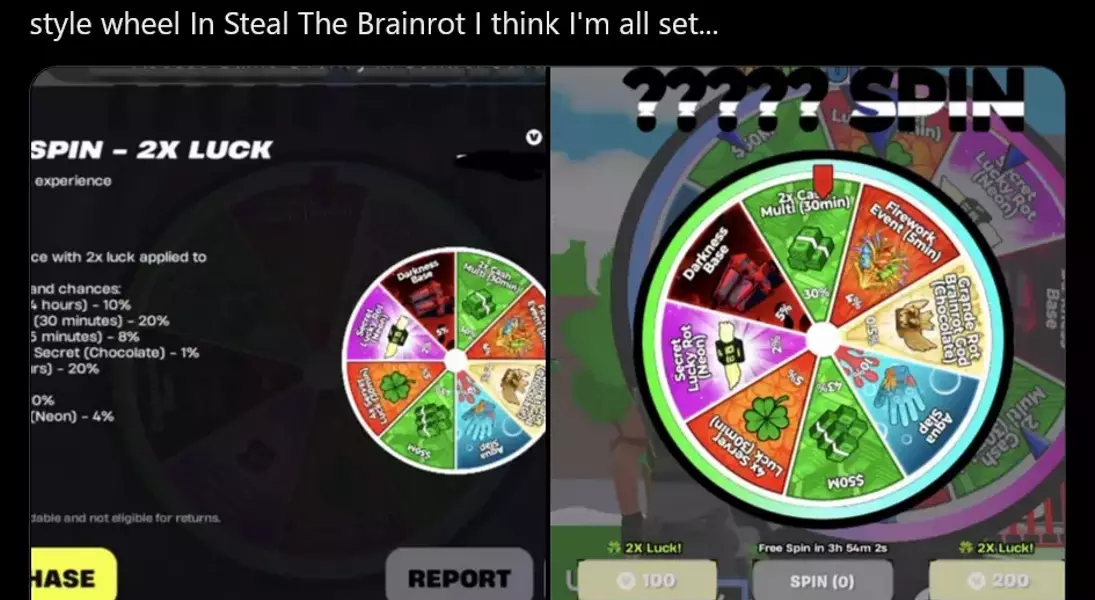
As reported by IGN, 'Steal the Brainrot' now offers a 'Present Rot' bundle priced at 4,900 V-Bucks, which translates to approximately $37. Beyond fixed-price items, the game has also introduced a virtual wheel where players can spend 100 V-Bucks per spin for a chance to win various in-game effects or small amounts of virtual currency. This gambling-style mechanic has been heavily criticized by players, parents, and even other Fortnite creators.
Fortnite map designer Richytoons publicly admonished the developers of 'Steal the Brainrot,' stating, "You make us all look bad with this kind of stuff." Echoing this sentiment, Fortnite content partner Moon expressed concern on X, highlighting that "The most popular UEFN game is now a gambling game targeted towards kids who don’t know any better." Moon further elaborated on the potential for young players to "mindlessly spend thousands of v-bucks for a CHANCE to get better in-game items, and they will fall into this trap / loop every single time they find a map with little things they like."
The issue has resonated with parents, as one Redditor articulated: "This whole thing sucks. Turns Fortnite into a mess to try and let my kids play unsupervised. They know not to buy anything from the regular store, but how are third party 'devs' with no moral compass going to obfuscate their microtransactions in new ways that are going to be intentionally designed to trick kids into spending money." This situation recalls a past controversy where Epic Games itself faced legal action over "predatory" loot boxes in 'Fortnite Save the World,' which were eventually removed, with CEO Tim Sweeney emphasizing that "Players should know upfront what they are paying for when they make in-game purchases." Sweeney has also previously urged game companies to prioritize trust over practices resembling "Las Vegas, with slot machines."
Despite the uproar, Epic Games has maintained that 'Steal the Brainrot' currently adheres to its established rules and guidelines. Brian Sharon, senior communications manager at Epic Games, confirmed that developers must operate within a 50-5,000 V-Bucks price range and transparently display numerical odds for paid random items. The company stated its intention to update these guidelines as necessary.
This incident underscores the ongoing tension between developer autonomy, platform responsibility, and ethical monetization, especially when young audiences are involved. While some argue for parental responsibility in monitoring children's spending, others contend that gaming platforms and developers bear a greater ethical obligation to protect vulnerable players from potentially exploitative mechanics. The 'Steal the Brainrot' controversy serves as a stark reminder of the challenges inherent in balancing open creative environments with consumer protection, particularly in the rapidly evolving landscape of digital entertainment.
The emergence of gambling-style mechanics in popular games like 'Fortnite' following new monetization policies raises critical questions about corporate responsibility and the protection of young consumers. While empowering creators to monetize their work can foster innovation, the implementation of practices that resemble gambling, especially when targeted at a young demographic, necessitates rigorous ethical oversight. This situation highlights the fine line between creative freedom and predatory design, urging both platform providers and individual developers to prioritize player well-being over immediate financial gain. It also serves as a potent reminder for parents to remain vigilant and educated about the evolving monetization tactics within the games their children play, advocating for clearer regulations and more transparent practices across the industry to ensure a safer and fairer gaming environment.
