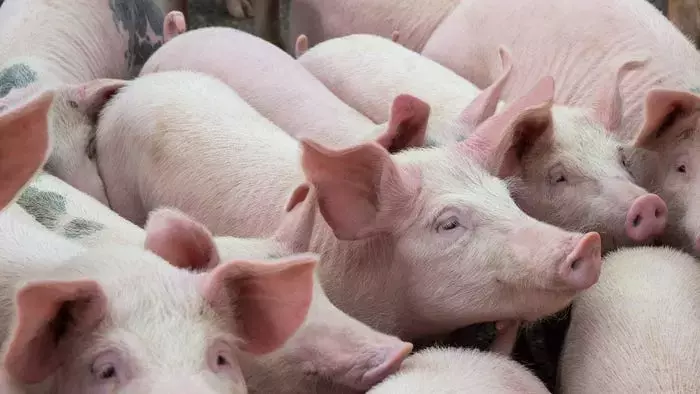
A significant legal dispute has emerged concerning California's Proposition 12, a regulation dictating the living conditions for certain farm animals. This measure mandates specific space requirements for animals like hogs, veal calves, and egg-laying hens, impacting producers who wish to sell their products within the state. The ongoing debate highlights the complex interplay between state-level animal welfare legislation, federal agricultural oversight, and the economic implications for both farmers and consumers across the nation.
The core of this recent controversy stems from a lawsuit initiated by the Justice Department on July 9, 2025. This legal action specifically disputes the egg-related clauses of Proposition 12. The federal government contends that California's requirements—mandating cage-free housing and precise labeling for eggs sold within its borders—are in direct conflict with the federal Egg Products Inspection Act (EPIA). The EPIA, as argued by the Justice Department, grants the U.S. Department of Agriculture exclusive authority over such regulatory matters.
Furthermore, the Justice Department's complaint asserts that California's egg mandates hinder conventional agricultural practices, contribute to escalating prices, and restrict the diversity of available products. The lawsuit emphasizes that these regulations lack a foundation in food safety, inspection protocols, or empirical data, and are therefore impermissible under federal statutes. The National Pork Producers Council has also voiced its concerns, highlighting that California's disparate regulatory framework negatively affects both producers and consumers.
While the immediate focus of this lawsuit is on the egg industry, its outcome holds broader implications for the agricultural sector. Pork and veal producers are closely monitoring developments, as a victory for the Justice Department could establish a precedent. Such a ruling might influence regulatory standards and interstate compliance requirements across numerous agricultural commodity sectors, potentially streamlining or complicating operations for farmers nationwide.
The legal confrontation over Proposition 12 underscores the ongoing tension between state autonomy in establishing animal welfare standards and the need for national regulatory consistency in agriculture. The resolution of this case will undoubtedly shape future policies governing animal production and trade within the United States, affecting farmers, consumers, and the broader food supply chain.
