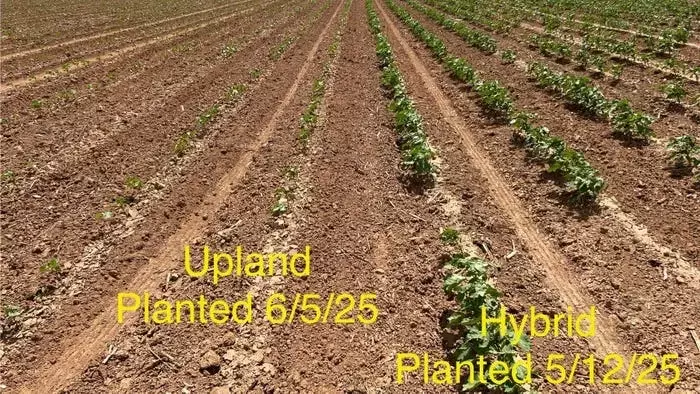
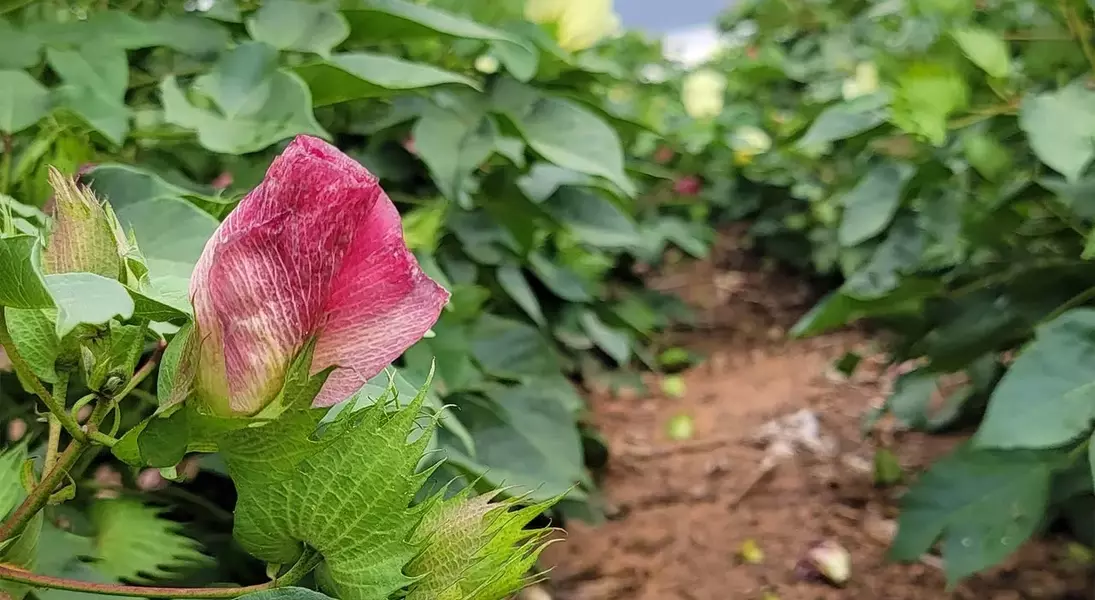
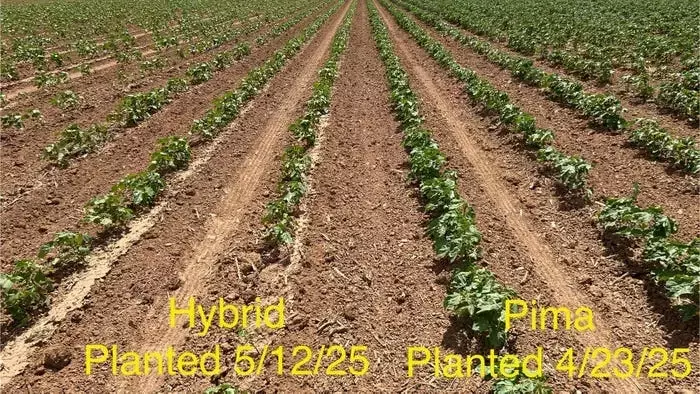
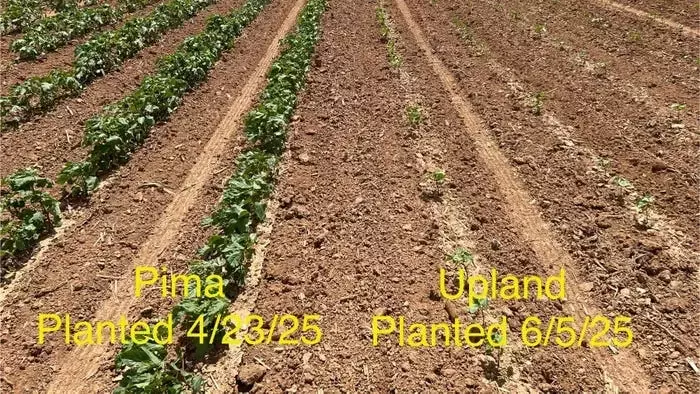
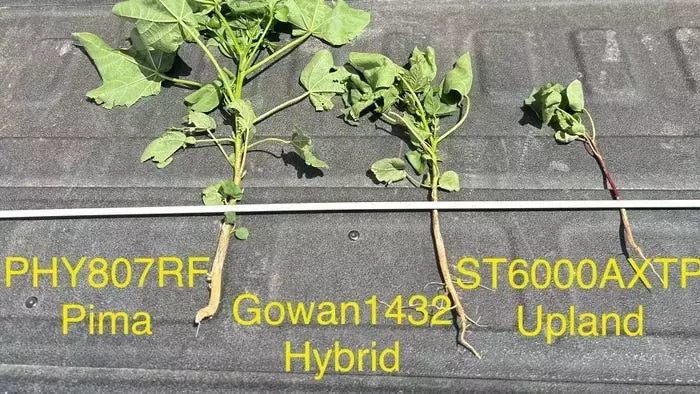
Farmers in the Texas High Plains are at a crossroads, pondering the economic advantages of cultivating extra-long staple (ELS) cotton over the region's prevalent upland varieties. While ELS cotton fetches significantly higher market prices, its yields are considerably lower, creating an intricate economic puzzle for agricultural producers. Texas A&M AgriLife Extension is actively addressing this uncertainty through a series of comprehensive trials, meticulously comparing the economic outcomes of both cotton types. This research is crucial for providing growers with data-driven insights into the potential for enhanced profitability, considering the delicate balance between premium pricing, reduced yields, and the unique management demands of ELS cotton. The findings from these trials are anticipated to shed light on whether the increased per-pound value of ELS can adequately compensate for its diminished output, thereby informing future planting decisions across the region.
The expansion of ELS cotton cultivation in the Southwest is inherently limited by several factors, including specific irrigation requirements and the capacity of existing ginning infrastructure. Unlike upland cotton, ELS varieties necessitate robust irrigation systems capable of supplying significant water volumes, a condition not met by all agricultural lands in the High Plains. Furthermore, the specialized roller ginning process required for ELS cotton presents a bottleneck; despite recent and planned additions, the number of gins equipped for ELS processing remains constrained. These limitations suggest that while ELS cotton may offer a lucrative niche for some growers with optimal resources and management capabilities, it is unlikely to displace the vast acreage currently dedicated to upland cotton in the foreseeable future. The trials will therefore also provide a realistic assessment of the scalability and overall economic impact of ELS cotton within the region's agricultural landscape.
ELS Cotton: A Potential Profit Driver?
Extra-long staple cotton varieties typically command a premium price in the market, often double or more per pound compared to standard upland cotton. This significant price difference has naturally piqued the interest of growers seeking to maximize their returns, particularly those with access to superior irrigation facilities. However, the allure of higher prices is tempered by the reality of lower yields from ELS varieties, which can be as much as half of what upland cotton produces. The ongoing trials by Texas A&M AgriLife Extension are designed to rigorously assess whether this price premium genuinely translates into greater overall profitability, taking into account the full spectrum of cultivation costs and yield differentials. This analysis is vital for growers to make informed decisions about diversifying their cotton crops.
The fundamental question driving these investigations is whether the increased market value of ELS cotton can offset the economic impact of its lower productivity and the additional complexities associated with its cultivation. ELS cotton, particularly Pima and certain hybrid varieties, requires more intensive management practices, including precise water application and careful use of plant growth regulators to control plant height and accelerate maturity. These management demands, coupled with specific harvesting and ginning requirements (spindle-picking and roller-ginning for ELS versus stripper-harvesting and saw-ginning for upland), add layers of cost and operational complexity. By conducting replicated trials on actual farms, using growers' own equipment, researchers aim to provide practical, real-world data to determine if the financial benefits of ELS cotton outweigh these considerable challenges and yield deficits, thereby offering a clear economic comparison between the two cotton types.
Overcoming Cultivation and Market Hurdles
The potential for increasing ELS cotton acreage in the Texas High Plains faces practical barriers beyond just yield and management. A significant limiting factor is the stringent quality requirements for ELS cotton, especially concerning fiber length and micronaire, which effectively exclude dryland farming. Most existing irrigation systems in the Southern High Plains, designed for more moderate water usage, are also insufficient for ELS, demanding more robust water availability—typically 3 to 3.5 gallons per acre or more. This means only a subset of growers with high-capacity irrigation can realistically consider ELS. Furthermore, the specialized roller ginning capacity is a bottleneck; while new facilities are emerging, they still represent a small fraction of the region's total ginning infrastructure. These factors combine to suggest that ELS cotton will likely remain a specialized, albeit potentially profitable, niche rather than a widespread alternative to upland varieties.
Addressing the inherent challenges of ELS cotton cultivation, such as its longer maturation period and susceptibility to early freezes, is also critical for its viability in regions like the Texas High Plains. Breeders are actively working on developing earlier-maturing Pima varieties, which could significantly mitigate weather-related risks and expand the suitable growing areas. However, ELS varieties typically possess fewer built-in resistance traits, necessitating more vigilant pest and weed control. This translates into higher input costs and a greater need for proactive management strategies. Ultimately, the economic landscape for ELS cotton will be shaped by how effectively these agronomic and infrastructural challenges can be overcome, and whether the market premium consistently justifies the added investment and effort. The forthcoming data from these trials will be indispensable for growers to assess the true economic feasibility and long-term sustainability of incorporating ELS cotton into their farming operations.
