The search is on for Illinois' most exemplary farmers! The Prairie Farmer is now accepting nominations for its esteemed 2026 Master Farmer award, an honor that recognizes individuals whose contributions extend far beyond the fields. This prestigious award spotlights farmers who excel in agricultural production, uphold strong family values, and deeply engage in community service. The selection committee, comprising former editors and agricultural leaders, meticulously reviews each application, seeking individuals who have left a lasting positive impact on their local and broader communities. This accolade is a testament to a lifetime of dedication and commitment within the agricultural sector and beyond, emphasizing the pivotal role farmers play in societal well-being.
Illinois Seeks Nominations for Master Farmer Award, Highlighting Community Service and Agricultural Excellence
In the heart of Illinois, the Prairie Farmer has officially opened the nomination period for its highly anticipated 2026 Master Farmer award. This distinguished recognition celebrates individuals who exemplify excellence in agricultural production, unwavering dedication to their families, and significant, impactful contributions to their communities. Nominations will be accepted until the golden autumn deadline of September 12, offering an opportunity to honor those who stand as pillars in the farming community.
Mike Wilson, a respected senior executive editor for Farm Progress and a former editor of the Prairie Farmer, emphasized the unique focus of this award, stating, “No other farmer award is as deeply rooted in service as the Master Farmer program.” This underscores the award's core principle: recognizing farmers who not only achieve remarkable success in their agricultural endeavors but also actively enrich the lives of those around them.
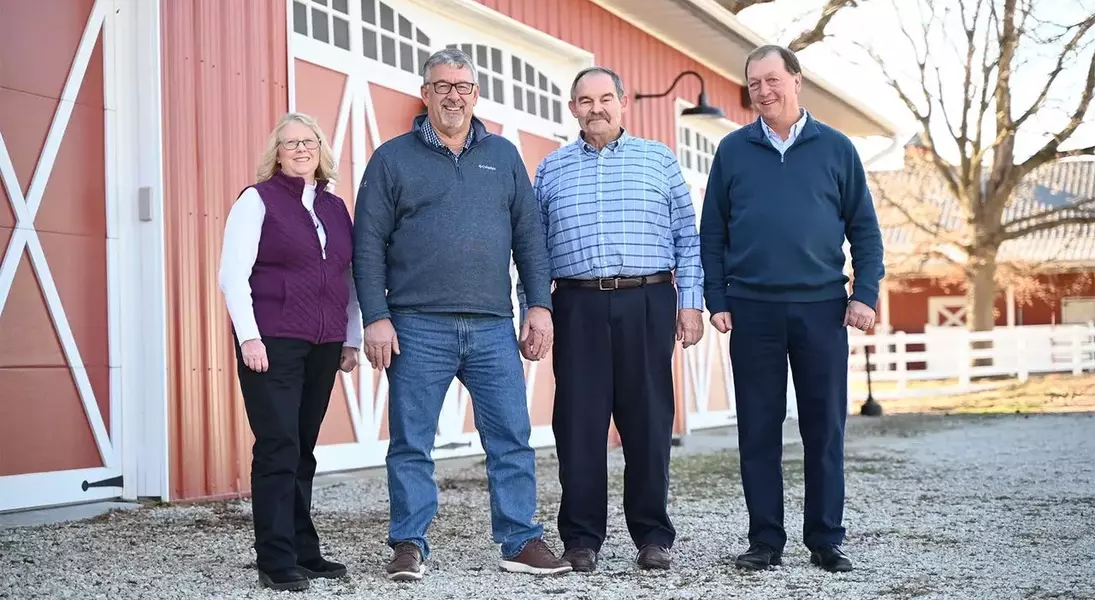
The breadth of community involvement considered for this award is vast, ranging from leadership roles in major commodity organizations and agricultural outreach programs to coaching local youth sports teams. The 2025 Master Farmers serve as a shining example of this diverse commitment:
- In Kane County, Steve Pitstick demonstrated exceptional leadership as the chairman of the Illinois Soybean Association and as a director for the United Soybean Board. He also played a foundational role in the Kane County Economic Development Corp. and contributed to youth development through the Kaneland Sports Boosters.
- From Boone County, Amy Hildebrandt was recognized for her extensive involvement, including her work with the Winnebago-Boone County Farm Bureau dairy breakfast committee, her board membership with the Illinois Milk Producers Association, her volunteer efforts with Ag in the Classroom, and her service on the Jefferson Prairie Lutheran Church altar guild committee.
- Champaign County’s Dirk Rice was honored for his leadership as a director on the Illinois Corn Marketing Board, his presidency of the United FFA Alumni Association, his dedication as a baseball and softball coach, and his active participation in the Embarrass River Management Association.
- In Schuyler County, Chet Esther’s contributions included his roles as a director and first vice chairman of Growmark, his advisory capacity on the Compeer Financial board, his chairmanship of the Schuyler County board, and his involvement with the Rushville Little League board.
The nomination process requires a comprehensive look at a candidate's life, including eight to twelve letters of recommendation, with at least one from a fellow local farmer, and a detailed list of their community service activities. The judging criteria are rigorous, focusing on the growth of the farming operation, agricultural productivity, and the depth of community engagement. Given that the Master Farmer award is a lifetime achievement, potential nominators are encouraged to begin compiling the necessary documentation promptly. For any inquiries or to request an application form, individuals can reach out via email.
The Prairie Farmer Master Farmer award embodies more than just agricultural success; it reflects a profound commitment to stewardship—of the land, of family, and most importantly, of community. As a journalist, witnessing the stories of these dedicated individuals reminds me of the intrinsic connection between prosperity in agriculture and the vitality of rural communities. The honorees are not merely producers; they are mentors, volunteers, leaders, and pillars that support the very foundation of their locales. Their selfless efforts inspire us all to consider how we, too, can contribute to the betterment of our communities, regardless of our profession. It's a powerful reminder that true success is measured not only by personal achievement but by the positive ripple effect one creates in the lives of others.
