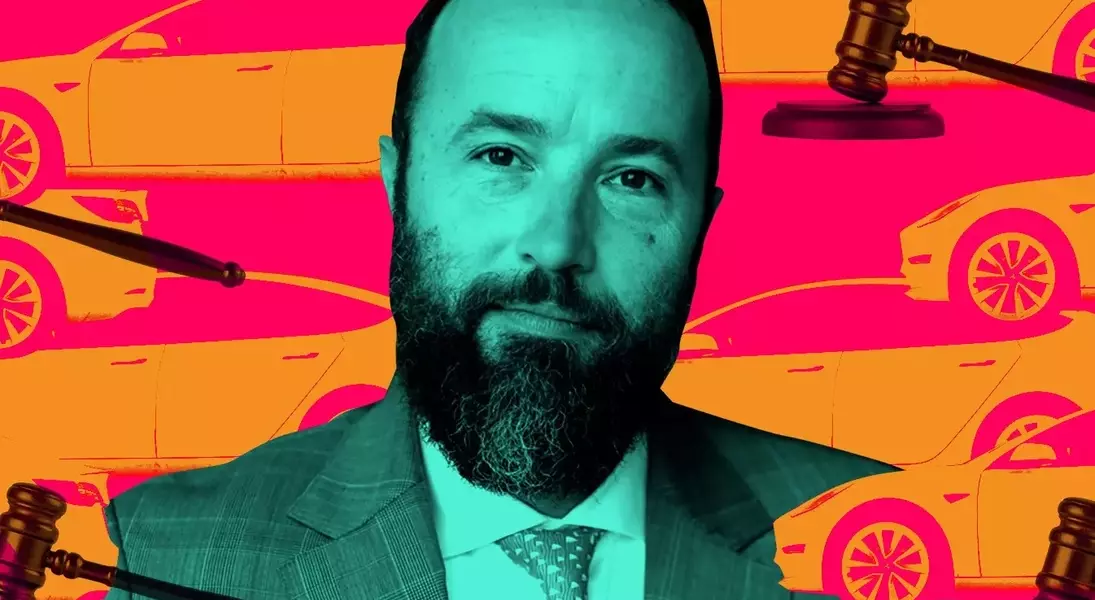
In a significant legal triumph, attorney Brett Schreiber secured a substantial $243 million judgment against Tesla in a wrongful death case, marking a pivotal moment in the ongoing scrutiny of autonomous vehicle technology. This victory, which he provocatively celebrated on social media, underscores a critical distinction Schreiber draws between the public image Tesla cultivates and the realities it presents in court. He asserts that Tesla markets its vehicles as fully self-driving marvels, yet in legal proceedings, it recharacterizes its technology as mere driver assistance. This dichotomy proved central to his argument, bolstered by Elon Musk's own pronouncements on the capabilities of Tesla’s Autopilot, which were presented to the jury as evidence of misleading public claims. The jury's decision, finding Tesla 33 percent liable for a 2019 fatal crash involving Naibel Benavides and Dillon Angulo, challenges Tesla's historical success in avoiding such judgments and sets a precedent for future litigation.
Schreiber attributes his success to the willingness of the victims' families to forgo a confidential settlement, opting instead for a public trial to expose what they believed were systemic issues. He revealed that critical internal documents, detailing Tesla's awareness of system misuse and its attempts to withhold evidence, will soon be publicly accessible, offering unprecedented insight into the company's practices. This transparency, facilitated by the courage of the families, allowed the jury to see through Tesla's defense, which attempted to downplay the advanced capabilities it heavily advertised. Furthermore, Schreiber criticized Tesla's unique approach to vehicle development, portraying it as a tech company that entered the automotive sector without adhering to established safety protocols, releasing beta products as if they were finished goods, unlike traditional manufacturers who prioritize robust driver monitoring systems and geofencing.
Looking ahead, this verdict is poised to profoundly impact future lawsuits against Tesla. Schreiber himself is preparing for another significant case, Maldonado v. Tesla, in California, where punitive damages are not capped, potentially leading to even larger penalties. He plans to leverage the testimony of former Tesla Autopilot leaders, who contradicted Musk's public claims about the technology's readiness. This legal pressure aims to compel Tesla to prioritize safety over profit, encouraging a reevaluation of its autonomous driving development strategy. The broader message from this verdict is clear: companies developing advanced automotive technologies must operate with utmost responsibility and transparency, ensuring public safety is paramount, rather than treating public roads as experimental grounds.
The pursuit of justice through legal channels often reveals truths that might otherwise remain hidden, fostering accountability and encouraging higher standards across industries. This case stands as a testament to the power of transparency and the courage of individuals to challenge powerful corporations. It underscores the vital role of the justice system in holding innovators to account, ensuring that technological advancement is pursued responsibly and ethically. Ultimately, such verdicts serve to protect the public, promoting a future where innovation and safety coexist harmoniously, leading to more reliable and trustworthy technologies for everyone.
