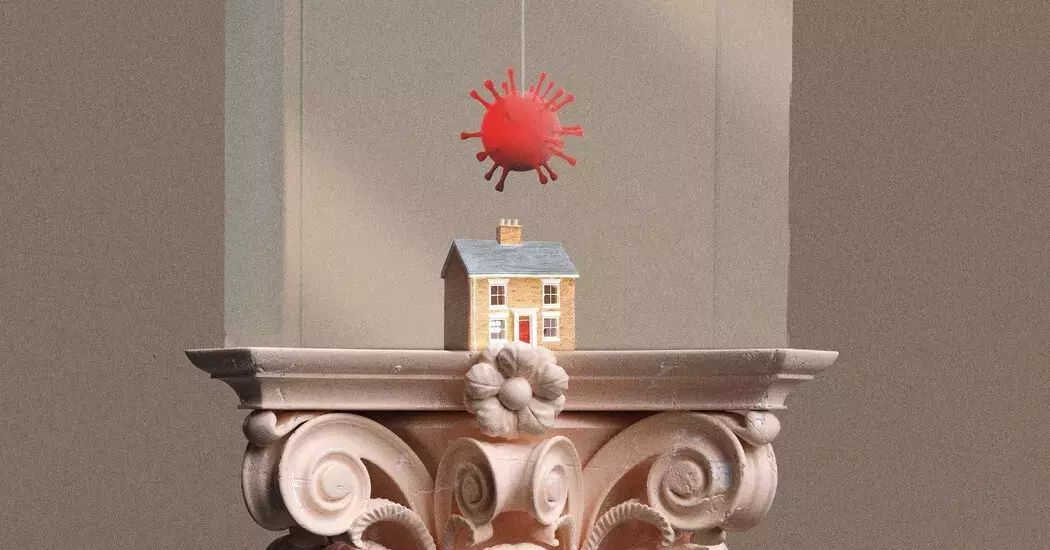
Five years have passed since the world came to a standstill, and the echoes of those unprecedented times continue to shape our daily existence. The global health crisis not only altered our routines but also left lasting impressions on how we live and work. From makeshift home offices to hybrid work arrangements, the pandemic's influence is still evident in various aspects of life. Moreover, the physical remnants of that period—such as unused exercise equipment or outdoor furniture—serve as reminders of the lifestyle changes we adopted.
While some adjustments were temporary, others have become integral parts of modern living. Hybrid work models, once unheard of, are now commonplace despite resistance from certain quarters. Additionally, subtle reminders like faded stickers in public spaces highlight the abrupt shift in societal norms. This article explores both the tangible and intangible legacies of the pandemic era.
Physical Remnants of a Changed Lifestyle
Our homes bear witness to the transformation brought about by the pandemic. Objects that became essential during those months now linger as relics of a different time. From protective gear to leisure items, these artifacts tell stories of adaptation and resilience. For instance, N95 masks, board games, and gardening supplies remain scattered around many households. Even pets, adopted for companionship, have become permanent family members.
These items reflect the diverse ways people sought comfort and normalcy amidst uncertainty. The transition to home-centric living led to investments in personal spaces, whether through fitness equipment or outdoor relaxation areas. Some individuals even relocated to quieter locales, seeking a break from urban chaos. Each object serves as a reminder of the creative solutions we found to cope with isolation. Yet, they also symbolize the fleeting nature of trends that once seemed indispensable. As life returns to pre-pandemic patterns, these remnants prompt reflection on what truly matters in our lives.
Societal Shifts and New Norms
Beyond material possessions, the pandemic catalyzed profound cultural and professional transformations. The concept of "hybrid work" has revolutionized office culture, challenging traditional notions of productivity and collaboration. Initially met with skepticism, this flexible working model has gained widespread acceptance, reshaping workplace dynamics. Despite occasional pushback from employers, hybrid arrangements offer employees greater autonomy and work-life balance, benefits that have proven invaluable.
The declaration of the pandemic by the World Health Organization in March 2020 marked a turning point, triggering immediate and dramatic changes. Overnight, homes transformed into multifunctional spaces, hosting everything from virtual meetings to impromptu concerts honoring healthcare workers. Public spaces fell eerily silent, save for the constant wail of ambulances. These moments of collective solidarity and hardship underscored the importance of community and adaptability. As we move forward, the lessons learned during this period continue to inform our approaches to work, health, and social interaction, leaving an indelible mark on society.
