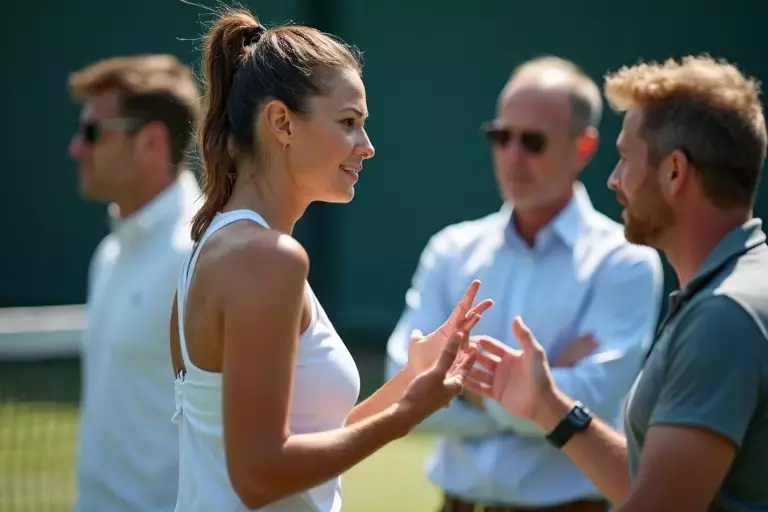
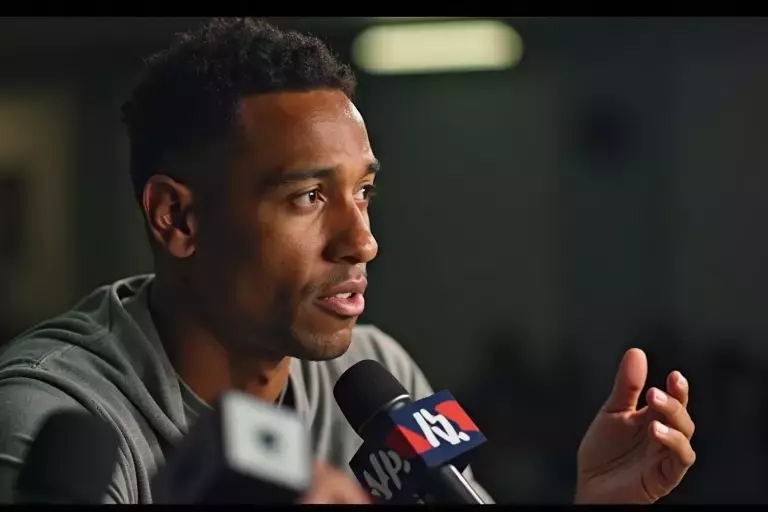
Nick Kyrgios, the Australian tennis star renowned for his independent spirit, has offered a refreshing perspective on the role of coaching in professional tennis, particularly in light of Emma Raducanu's ongoing challenges in establishing a consistent coaching relationship. Kyrgios, who has famously navigated much of his career without a dedicated coach, suggests that for certain individuals, traditional coaching may be overvalued. His insights provide a unique lens through which to view Raducanu's tumultuous journey since her stunning US Open triumph, emphasizing the importance of a support system that extends beyond mere athletic instruction to encompass a player's holistic well-being.
Raducanu's struggles to maintain coaching stability have been a prominent topic in the tennis world. Since her unexpected Grand Slam victory at eighteen, she has experienced a rapid turnover of mentors, highlighting the pressures and complexities faced by young athletes thrust into the global spotlight. Kyrgios's comments resonate deeply with Raducanu's situation, as he advocates for a more personal and caring approach to guiding a player's career. He believes that true support involves understanding and nurturing the individual behind the athlete, fostering an environment where enjoyment and personal growth are prioritized alongside professional success. As the prestigious Wimbledon tournament looms, the focus remains on whether Raducanu can harness her current positive momentum and supportive relationships to overcome past obstacles and achieve new milestones.
The Coaching Conundrum: A Maverick's View
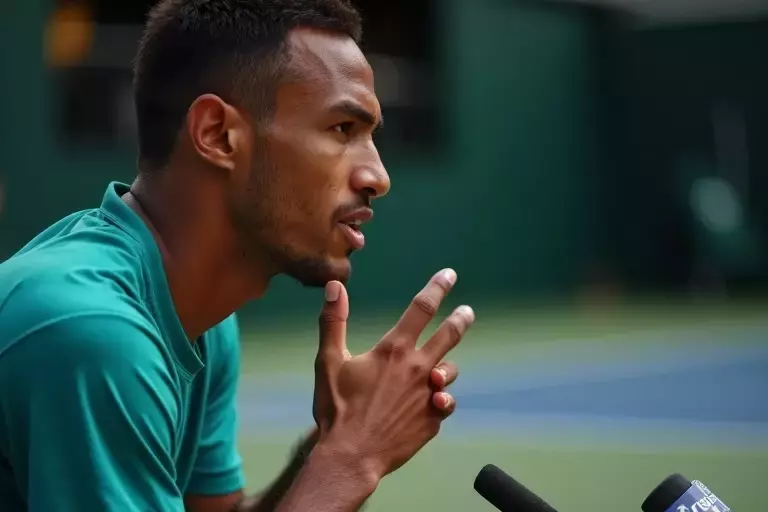
Nick Kyrgios, a player who consistently defies tennis norms, has openly shared his thoughts on the significance of coaching in the sport, particularly in the context of Emma Raducanu's fluctuating coaching arrangements. He posits that for certain personalities, including his own, the perceived necessity of a coach is often exaggerated. Kyrgios expressed understanding for Raducanu's predicament, noting her frequent changes in coaching staff since her unexpected rise to prominence. He elaborated that he wouldn't subject a coach to the intense highs and lows inherent in his own dynamic career, suggesting that a traditional coaching model isn't universally beneficial. This candid assessment challenges conventional wisdom in professional tennis, where coaches are often seen as indispensable to a player's success and development.
Raducanu's post-US Open journey has been characterized by a notable lack of coaching consistency, having worked with nine different coaches in merely four years. This rotational pattern underscores the immense pressure and scrutiny she has faced since her historic win. Currently competing at the Eastbourne Open, she is collaborating with her childhood coach, Mark Petchey, and Nick Cavaday, who recently had to step back due to health concerns. Kyrgios, who has long eschewed formal coaching, does not necessarily recommend his path for all players. However, he strongly advocates for Raducanu to surround herself with individuals who genuinely prioritize her best interests, both on and off the court. He emphasized the importance of finding someone who understands her as a person, someone who can offer unwavering support through the challenges of professional tennis and the glare of public attention. This holistic support, he believes, is what has been conspicuously absent for her in the past, and it is crucial for her long-term stability and success.
Beyond the Court: Nurturing the Athlete's Well-being
Kyrgios's commentary extends beyond mere tactical guidance, delving into the psychological and emotional support vital for an athlete's sustained success. He believes that for a player like Raducanu, the focus should shift from solely tennis-related advice to a more comprehensive understanding of her personal life and motivations. This broader perspective, he argues, is what has been missing in her previous coaching relationships. He highlighted the unique pressures that come with winning a Grand Slam at a young age, including increased responsibility and constant media scrutiny. This sudden fame brings not only on-court challenges but also significant off-court demands, making a genuinely caring and supportive team even more critical.
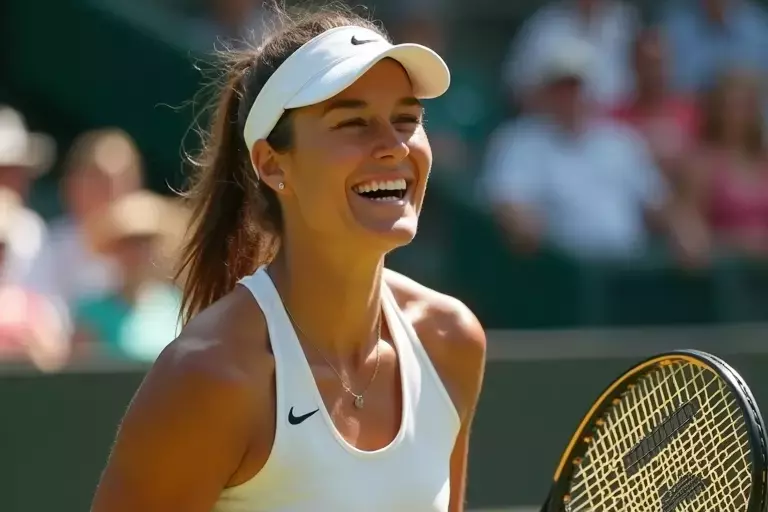
Raducanu's extensive list of former coaches, including Nigel Sears, Andrew Richardson (who oversaw her US Open triumph), Torben Beltz, Dmitry Tursunov, Sebastian Sachs, and Vladimir Platenik, some of whom lasted only a few weeks, illustrates the volatility of her professional environment. Despite these disruptions, Kyrgios observes that Raducanu appears to be rediscovering her passion for the game, evidenced by her recent strong performances and visible enjoyment, such as her doubles partnership with Katie Boulter. He stresses the fundamental truth that tennis should be enjoyable for players, expressing sympathy for the negative media attention she often receives. Kyrgios hopes Raducanu will ultimately find a strategy that truly works for her, acknowledging the inherent difficulty of her situation. As Wimbledon approaches, the hope is that this renewed sense of joy and a more supportive environment will enable her to surpass her previous best performance at the All England Club and find lasting stability in her career.
