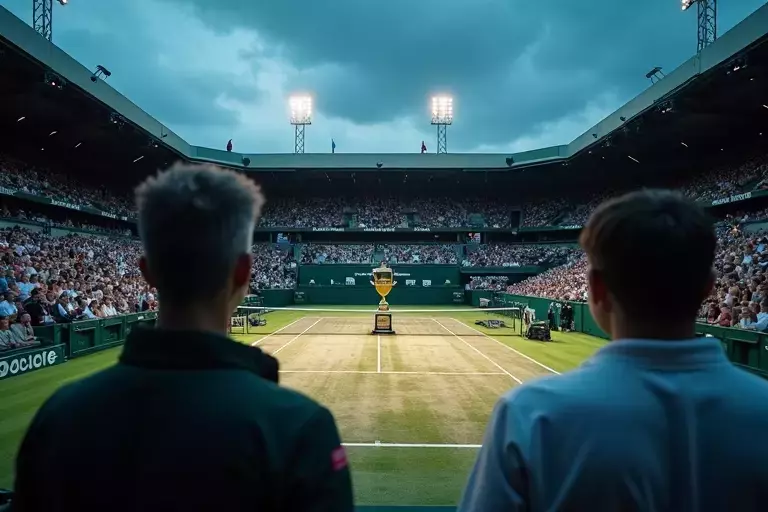



The United States Open's recent alteration to its mixed doubles tournament, now slated to precede the singles events, has ignited a fierce debate within the professional tennis circuit. This strategic shift aims to draw high-profile players and increase engagement. However, the move has polarized opinions among the sport's leading figures, highlighting a tension between commercial innovation and athletic tradition. While some top athletes view the change as an opportunity for lighthearted engagement and preparation, seasoned veterans are expressing deep concerns about its implications for the prestige and integrity of Grand Slam competitions. This divergence of perspectives underscores fundamental differences in how players perceive the value and purpose of these major tournaments.
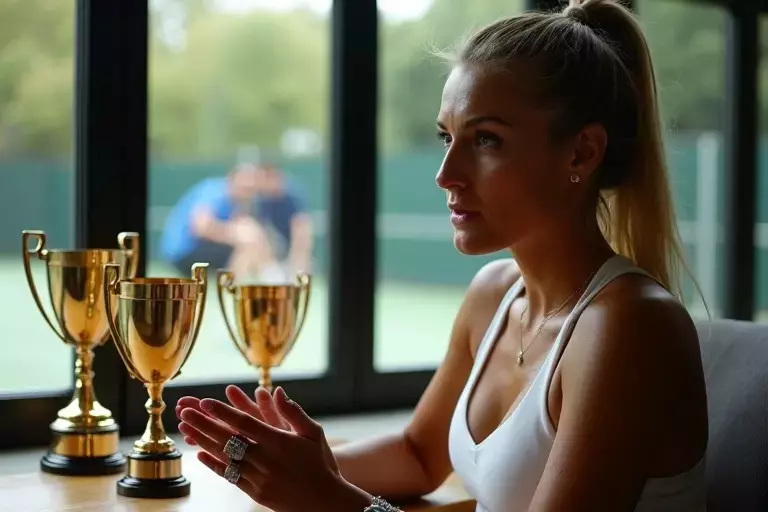
Kristina Mladenovic, a highly decorated player in women's and mixed doubles, has emerged as a prominent voice against the casual attitude displayed by some of her peers. Her critique goes beyond mere disagreement, delving into the very essence of what a Grand Slam title signifies. Mladenovic argues that the dismissive comments from players, particularly regarding the mixed doubles event as a mere 'fun' or 'preparatory' exercise, undermine the years of dedication and sacrifice required to compete at such an elite level. Her impassioned stance resonates with a segment of the tennis community that believes Grand Slam events should always be treated with utmost seriousness and respect, regardless of the discipline.
Mixed Doubles Innovation and Player Reception
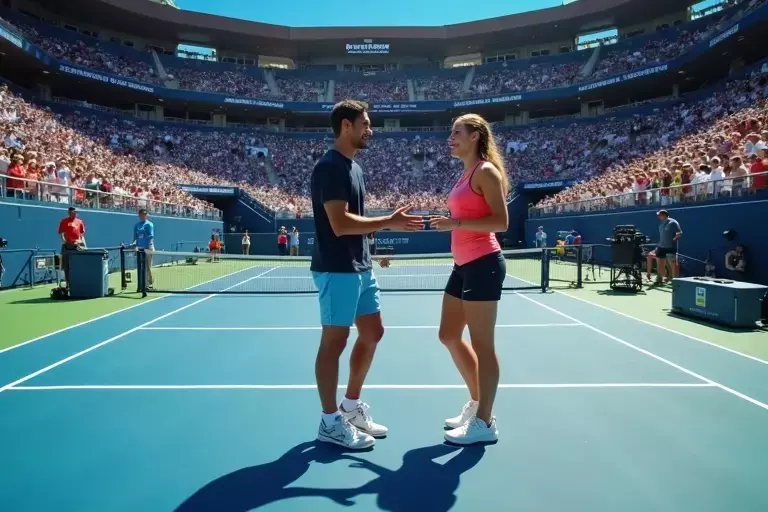
The US Open organizers have introduced a groundbreaking format for the mixed doubles, repositioning it to occur before the highly anticipated singles competitions. This innovative scheduling has successfully attracted numerous top-tier athletes, including global icons like Carlos Alcaraz, Jannik Sinner, Novak Djokovic, and Emma Raducanu. Alcaraz, for instance, has openly embraced the new structure, expressing genuine excitement about partnering with Raducanu and describing the change as an 'amazing idea' that promises to be 'really, really fun.' Djokovic has also joined forces with Olga Danilovic, while Sinner is set to compete alongside Emma Navarro. This influx of star power undoubtedly adds a captivating dimension to the event, aiming to boost spectator interest and overall tournament visibility.
However, despite the enthusiastic endorsements from some of the sport's brightest stars, this novel approach has not been universally applauded. The shift has ignited considerable discussion and some fervent opposition. This includes sharp criticism from experienced players who believe that Grand Slam tournaments, regardless of the format, should always command the highest level of competitive seriousness. The underlying tension lies in reconciling the commercial aspirations behind such changes with the traditional reverence for Grand Slam events as the pinnacle of professional tennis achievement. The debate reveals a fundamental divide in the sport's philosophy, pitting entertainment value against sporting sanctity, and prompting questions about the long-term impact on the nature of Grand Slam competition.
The Debate's Core: Grand Slam Integrity
At the heart of the ongoing controversy surrounding the US Open's mixed doubles format is the fundamental question of Grand Slam integrity. Kristina Mladenovic, a nine-time Grand Slam champion across women's and mixed doubles, has vocally criticized the seemingly lighthearted approach taken by some top players towards the event. She views comments from individuals like Alcaraz, who perceive the mixed doubles as a 'fun' way to prepare for the singles, as 'embarrassing.' Mladenovic passionately argues that Grand Slam titles, in any discipline, are the culmination of relentless dedication and years of sacrifice. For her, reducing such an event to a mere 'preparation' or a source of 'fun' disrespects the immense effort and profound dreams that underpin a professional tennis career, especially the aspiration to win a major title, even in doubles.
Mladenovic's critique extends beyond player attitudes, reaching into the very definition of a Grand Slam event itself. She suggests that while the format change might offer business advantages, it fundamentally compromises the sporting essence of tennis. In her view, if the event is not treated with the gravitas traditionally associated with a Grand Slam, it should perhaps not retain that prestigious designation. This sentiment is echoed by other doubles specialists, such as two-time mixed doubles Grand Slam winner Jan Zieliński, who has characterized the revamped tournament more as an 'exhibition' than a true Grand Slam competition. While it is improbable that these criticisms will deter top players from participating, they undeniably fuel a significant discussion within the tennis world as the tournament date approaches, compelling stakeholders to consider the long-term implications for the sport's most hallowed events.
