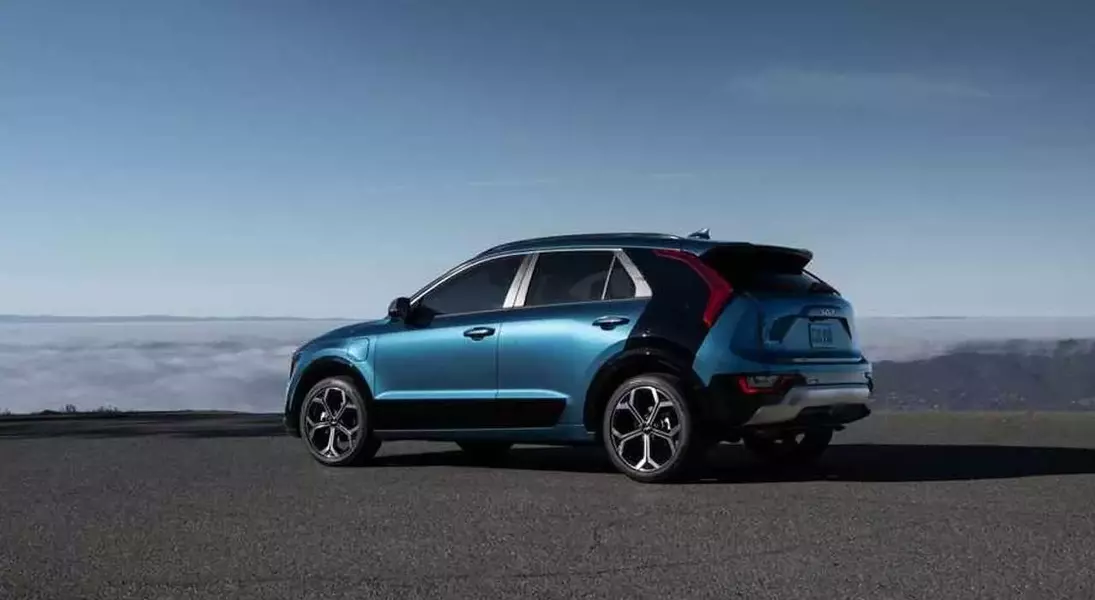
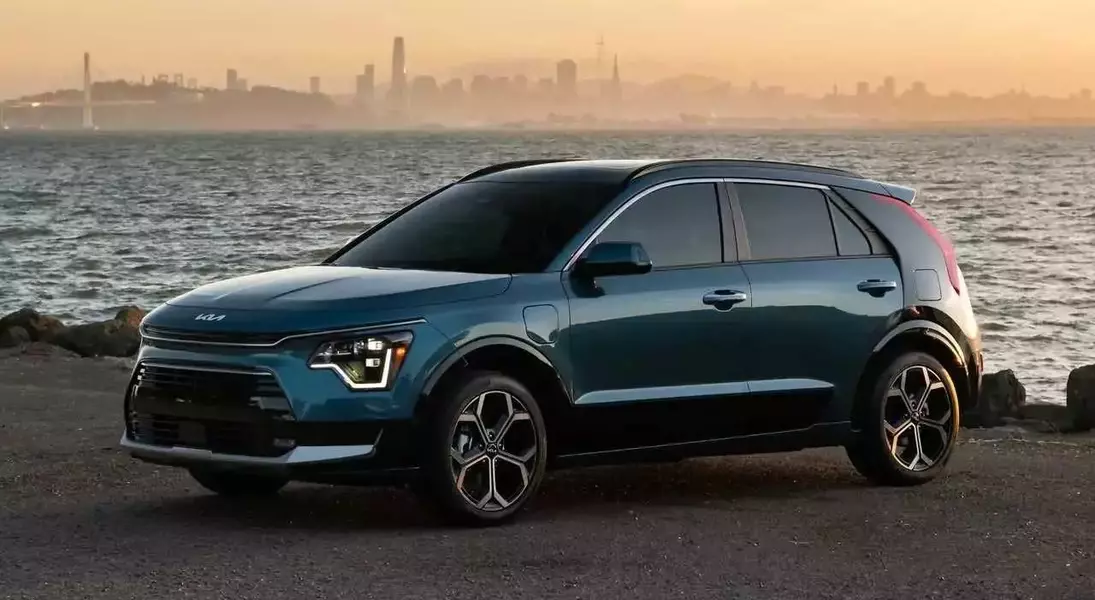
Kia has made the decision to cease production of its Niro Plug-in Hybrid (PHEV) model for the 2026 model year, specifically for the US market. This move, attributed to evolving market conditions, marks the end of one of the three powertrain options available for the Niro line, with the standard gasoline-powered and fully electric Niro models set to remain in production.
The announcement confirms the Niro PHEV's impending exit, effective for the 2026 model year. Kia conveyed this information, highlighting "changing market conditions" as the primary reason for withdrawing the vehicle from the US automotive landscape. This particular variant has often been seen as a less prominent choice within the Niro family, frequently overshadowed by its internal combustion engine and battery-electric counterparts.
Reports indicate that the Niro PHEV has consistently trailed behind in sales performance when compared to the other Niro versions. In the previous year, Kia's total sales for the entire Niro lineup reached just over 31,000 units. While specific sales breakdowns for each powertrain type were not released, it is generally understood that the PHEV contributed the smallest share to this total. Despite the removal of the plug-in hybrid, both the traditional gasoline Niro and the fully electric Niro EV are anticipated to continue being offered to consumers through at least 2027, maintaining Kia's presence in diverse segments of the eco-friendly vehicle market.
This strategic shift by Kia reflects a broader trend within the automotive industry, where manufacturers are re-evaluating their product portfolios based on consumer demand and regulatory environments. The phase-out of certain plug-in hybrid models suggests a move towards either pure electric vehicles or more efficient conventional hybrids, as market preferences continue to evolve. For Kia, this decision allows for a reallocation of resources and focus on models that demonstrate stronger market viability and alignment with future mobility strategies.
