In a significant development reflecting the evolving landscape of the global automotive industry, American giant Ford and Chinese conglomerate Geely are reportedly engaged in advanced negotiations to establish a manufacturing partnership in Europe. This collaboration is primarily driven by Geely's strategic objective to circumvent the European Union's tariffs on Chinese-made electric vehicles (EVs) and enhance its competitive edge within the European market. For Ford, the proposed deal presents an opportune moment to maximize the operational capacity of its underutilized Valencia plant in Spain, transforming it into a pivotal hub for vehicle production.
This potential alliance underscores a growing trend among leading automakers to forge strategic partnerships in response to escalating development and manufacturing expenses, coupled with the complexities introduced by new trade regulations. By consolidating resources and leveraging existing infrastructure, both companies aim to achieve greater efficiency, streamline their supply chains, and adapt more effectively to the dynamic demands of the market. The discussions highlight a shared vision for navigating economic challenges and capitalizing on emerging opportunities within the electric vehicle sector, particularly in the highly competitive European arena.
Strategic Alliance: Geely's European Expansion and Tariff Circumvention
Geely, a major automotive group with an impressive portfolio of brands including Volvo and Lotus, is looking to significantly expand its footprint in the European market. The ongoing discussions with Ford for a manufacturing partnership are a crucial component of this strategy. By producing vehicles within the European Union, Geely would effectively bypass the recently imposed additional tariffs on electric vehicles imported from China. These tariffs, enacted due to concerns over state-backed advantages for Chinese manufacturers, make imported EVs less competitive on price. Local production would allow Geely to offer its models at more attractive price points, thereby strengthening its market position and accelerating its growth in Europe. This move would provide Geely with a valuable advantage, making its electric vehicles more accessible and appealing to European consumers.
The current landscape sees Geely's brand sales in Europe lagging behind those of other established Chinese automakers. Therefore, establishing local production capabilities is not merely an option but a critical step towards achieving significant market penetration and sustained competitiveness. The proposed utilization of Ford's Valencia plant offers a swift and efficient pathway to achieving this goal, avoiding the lengthy and costly process of constructing new facilities. This collaboration is indicative of how global trade policies are prompting automakers to re-evaluate their production strategies, fostering new alliances that prioritize localized manufacturing to overcome economic barriers and capitalize on market demand for electric vehicles.
Ford's Valencia Plant: A Hub for Future Automotive Production
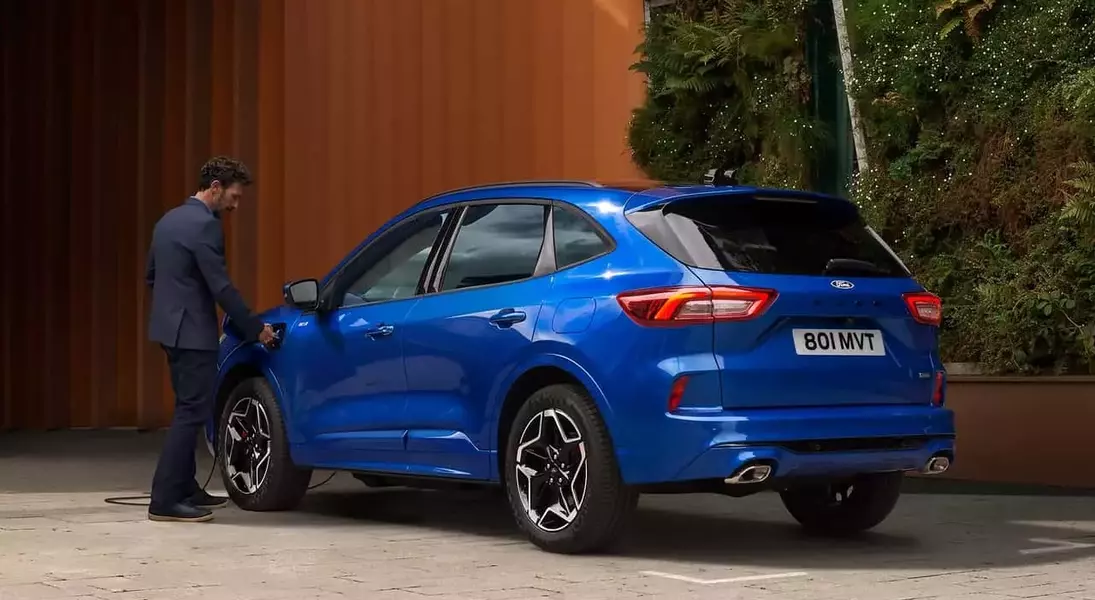
Ford's manufacturing facility in Valencia, Spain, is a cornerstone of its European operations, currently responsible for the production of the Kuga compact SUV. Despite its strategic importance, the plant has been operating below its designed capacity, presenting a challenge for Ford in terms of efficiency and resource utilization. The prospective partnership with Geely offers a timely solution to this issue. By integrating Geely's vehicle production into the Valencia plant, Ford can significantly boost the factory's output and overall utilization without necessitating substantial new capital investments. This arrangement is a win-win: Ford benefits from increased production volumes and optimized resource allocation, while Geely gains access to established, high-capacity manufacturing infrastructure within the EU.
This potential collaboration highlights a broader industry trend where automakers are increasingly seeking innovative ways to share technological expertise, distribute development costs, and adapt to a rapidly changing global market. Ford has a history of engaging in similar strategic alliances in Europe, demonstrating its adaptability and willingness to explore mutually beneficial arrangements. Geely, too, has shown a preference for leveraging existing facilities rather than embarking on greenfield projects, underscoring a pragmatic approach to expansion. If successfully finalized, the deal centered on the Valencia plant will serve as a compelling example of how automotive companies are re-imagining their production and market strategies in response to economic pressures and the shift towards electric mobility, setting a precedent for future collaborations in the industry.
