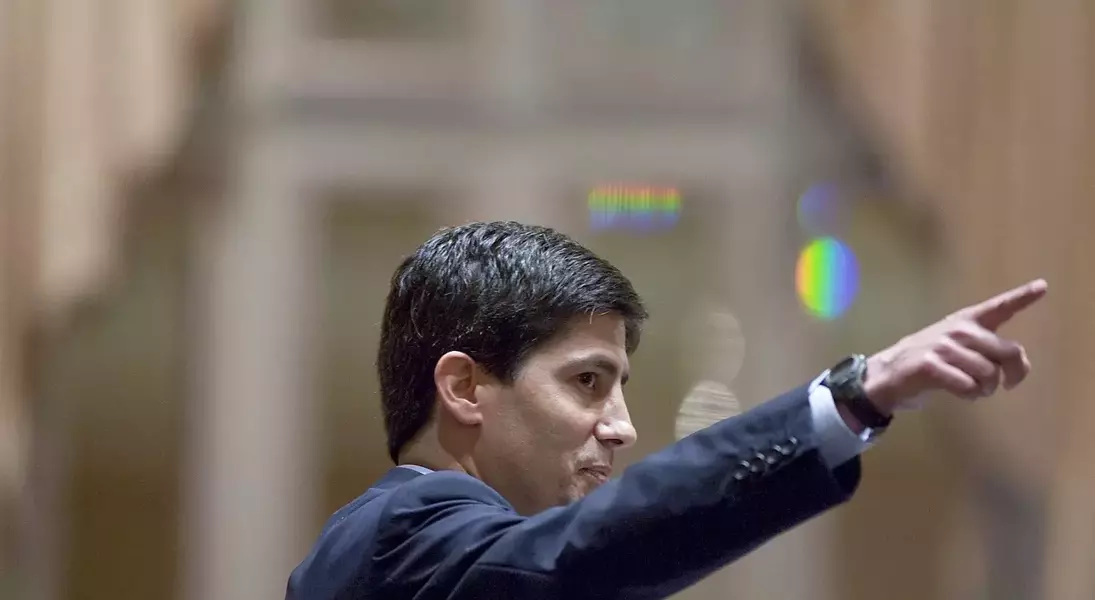
Kevin Warsh, President Donald Trump's choice to lead the Federal Reserve, brings a nuanced history from his tenure as a Fed governor between 2006 and 2011. Initially, Warsh was known for his hawkish stance during the 2008 financial crisis, advocating for rapid withdrawal of stimulus once immediate threats subsided. However, his recent leanings have shifted towards a more dovish perspective, aligning with President Trump's desire for reduced interest rates. This evolving viewpoint creates a compelling dynamic that market analysts will closely observe as Warsh assumes his four-year term, succeeding Jerome Powell in mid-May.
A critical aspect of Warsh's economic philosophy is his consistent skepticism regarding the Federal Reserve's expanding involvement in bond markets, specifically its quantitative easing (QE) programs. He believed the Fed's interventions, like purchasing Treasury and mortgage-backed securities, offered limited benefits while posing significant, unpredictable risks. This position suggests that under his leadership, there might be a push to reduce the Fed's substantial balance sheet, currently around $6.6 trillion. Such a move could lead to higher mortgage rates, which would contrast with Trump's objective of making homeownership more accessible through lower rates. Warsh's long-standing concern about inflation, though not a major issue immediately after the 2008 crisis, proved prescient a decade later, further shaping his cautious approach to monetary policy and market guidance. Furthermore, his preference for less explicit market guidance implies a potential shift in how the Fed communicates its future policy intentions, moving away from detailed forward guidance to allow more flexibility in response to economic data.
Ultimately, any significant policy changes under Warsh would require consensus from the 19-member Federal Open Market Committee (FOMC). Warsh's past actions, such as voting for bond-buying programs despite personal reservations to maintain committee unity, demonstrate his understanding of the importance of consensus. His pragmatic approach and ability to navigate differing opinions within the Fed will be crucial, especially given the existing divisions within the FOMC. With some officials favoring aggressive action and others advocating for caution, Warsh's ability to forge common ground will determine the effectiveness of his leadership and the direction of future monetary policy.
The appointment of a new leader to a pivotal institution like the Federal Reserve highlights the dynamic interplay between leadership vision and institutional imperatives. It underscores that effective governance often requires balancing deeply held convictions with the need for collaboration and adaptability in the face of complex challenges. The Federal Reserve's mission to foster economic stability and growth demands leaders who can inspire confidence, adapt to changing conditions, and guide collective action towards a brighter future for all.
