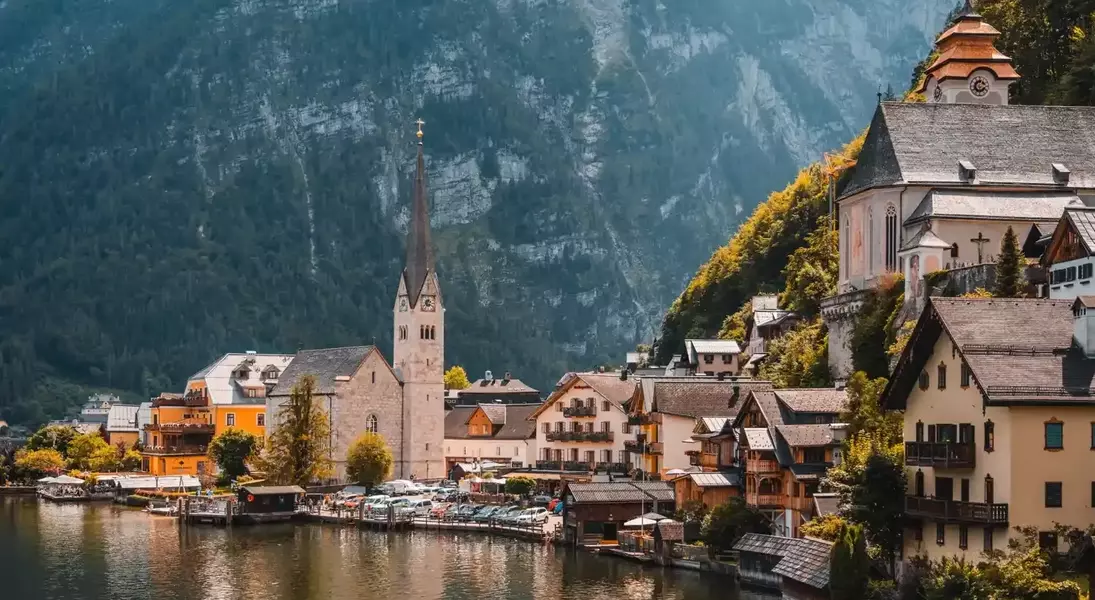
This article explores how retirees can enjoy the stunning scenery and lifestyle of the Alps without the hefty price tag often associated with luxury Swiss resorts. It highlights several European countries—Italy, Slovenia, France, and Austria—that offer affordable alternatives with comparable natural beauty, high quality of life, and health benefits derived from active, walkable communities. The guide also details visa requirements, cost of living estimates, and practical considerations for a smooth transition.
Retire to the Alps: Live Luxuriously for Less
Discovering Affordable Alpine Living for Retirees
The dream of retiring amidst the majestic Alps doesn't have to be limited to those with immense wealth. While Switzerland's mountainous regions are famously expensive, offering some of the world's highest living costs, several neighboring Alpine countries provide equally breathtaking landscapes at a fraction of the expense. Retirees can find comfortable and fulfilling lifestyles in Italy, Austria, Slovenia, and France, often saving 35% to 50% compared to similar locales in the United States.
Why Choose the Alps for Retirement?
These European Alpine areas boast a variety of advantages for retirees: highly walkable villages, efficient public transit networks, top-tier healthcare systems, and a lifestyle centered around outdoor activities, local culinary delights, and strong community bonds. These features contribute to a high quality of life and potential health benefits, making them attractive retirement destinations.
The Charm of the Italian Alps
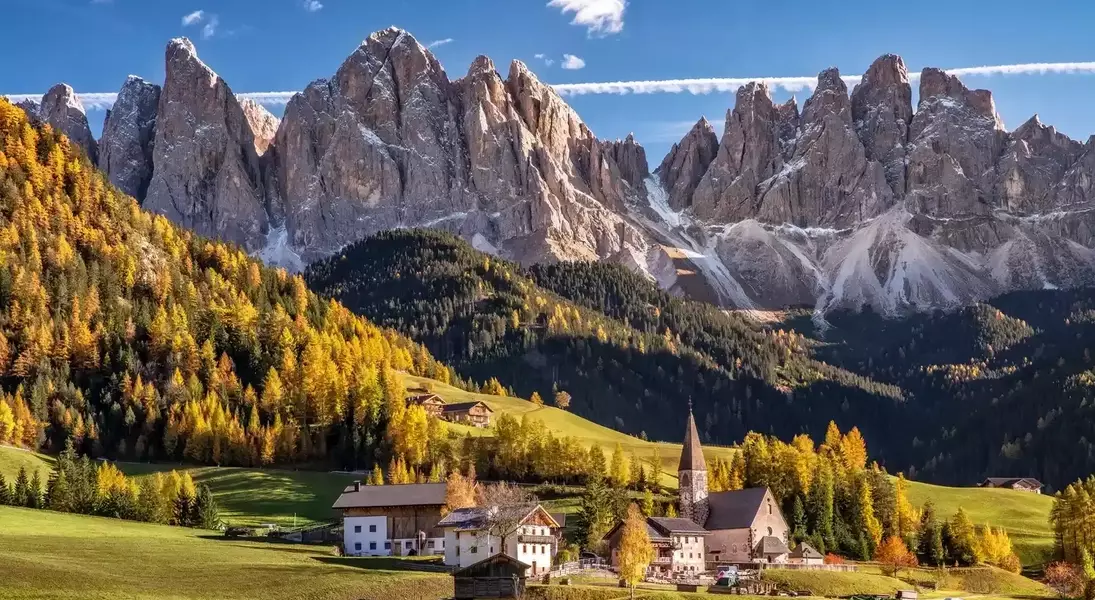
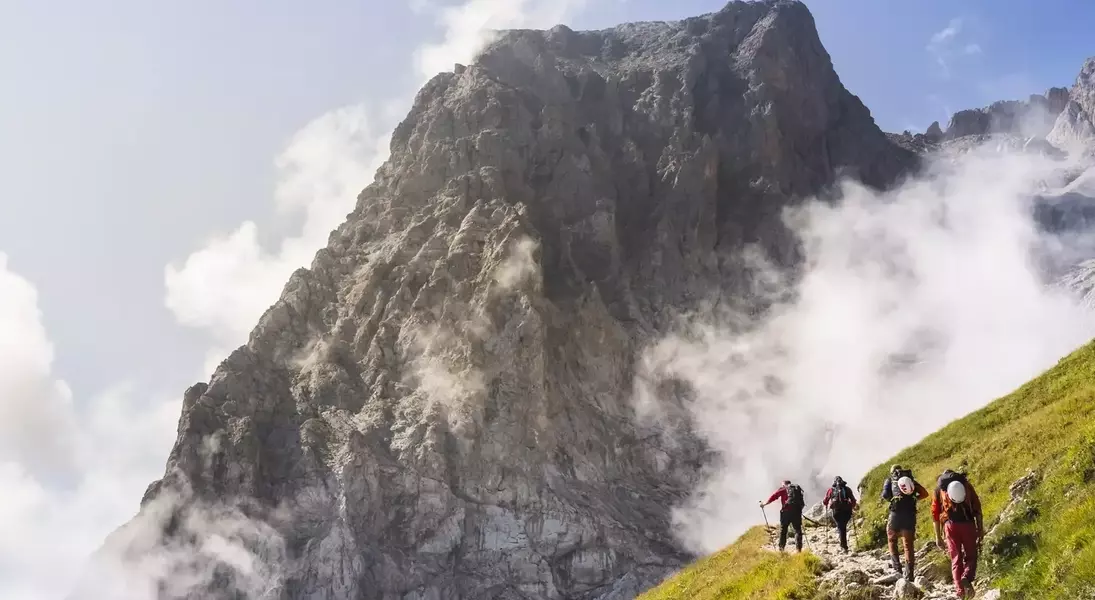
The Italian Alps are particularly appealing for retirees who value pedestrian-friendly environments and direct access to nature. Most towns are designed for walking, with charming narrow streets, bustling village squares, and hiking trails that begin right outside your door. The Dolomites, a UNESCO World Heritage site, showcase spectacular limestone peaks, complete with cable cars and hiking routes suitable for all fitness levels. Beyond skiing, Italians flock here in summer for cooler temperatures, offering a pleasant escape from the heat further south.
Navigating Italian Residency and Notable Locations
Americans looking to relocate to the Italian Alps will need an Elective Residency visa, which requires proof of stable income, verified housing, and a clean criminal record. South Tyrol, or Alto Adige, is a region rich in Italian, Swiss, Germanic, and Ladin cultures. Bolzano, its capital, features a car-free medieval center, making it a cultural hub. Smaller, quieter towns like San Candido and Ortisei offer excellent public transit. Limone Piemonte is an affordable option for skiing enthusiasts. Although popular, the Dolomites are becoming more accessible to English speakers due to increased American tourism. Milan, just 90 minutes away, provides international airport access and urban conveniences, with the 2026 Winter Olympics set to boost regional infrastructure.
Understanding the Cost of Living in the Italian Alps
Compared to France or Switzerland, the Italian Alps present a more affordable cost of living, albeit slightly higher than Italy's national average. This balance makes it an attractive option for budget-conscious retirees seeking an Alpine lifestyle.
Exploring the Slovenian Alps
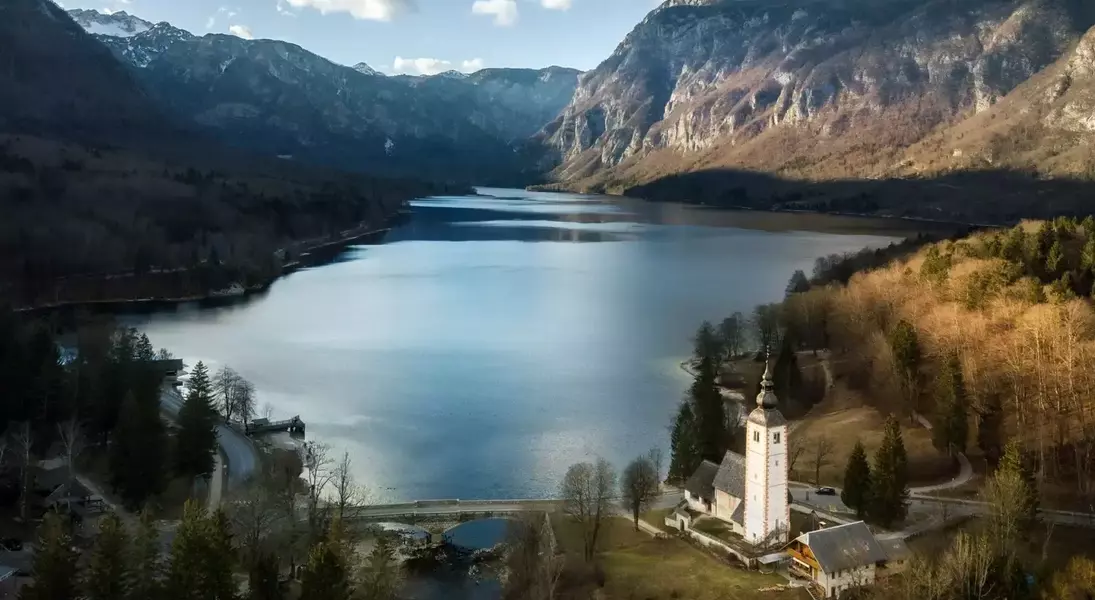
The Julian Alps, straddling Slovenia and northeastern Italy, offer retirees a unique blend of two cultures and countries at a significantly lower cost than France or Switzerland. With Slovenia's adoption of the euro in 2007, currency exchange is seamless. Slovenia provides one of the more straightforward residency pathways in the Alps, with a renewable temporary residence permit requiring proof of sufficient income (around $1,085 per month), health insurance, and accommodation.
Key Slovenian Destinations and Their Living Costs
Kranj, Slovenia's fourth-largest city, is a gateway to the Julian Alps, featuring a well-preserved medieval old town and stunning views. Ljubljana, the capital, is a short trip away, offering an international airport, university hospitals, and a pedestrian-friendly historic center. For iconic scenery, Lake Bled and its clifftop castle are nearby, though quieter outside peak season. Livingcost.org estimates Ljubljana's monthly cost for a single person at about $1,640, roughly half the cost of major U.S. cities like Los Angeles or Boston.
Experiencing the French Alps
The French Alps offer a year-round appeal with warm summers for hiking, snowy winters for skiing, and pleasant shoulder seasons ideal for exploring charming villages and lakeside towns. France boasts an excellent healthcare system and robust regional infrastructure, including high-speed rail connecting Alpine cities to major hubs like Paris, Lyon, and Geneva. American retirees need a Long-Stay Visitor Visa, renewable annually, requiring proof of passive income (at least €1,400 per month), private health insurance, and housing.
French Alpine Cities and Their Affordability
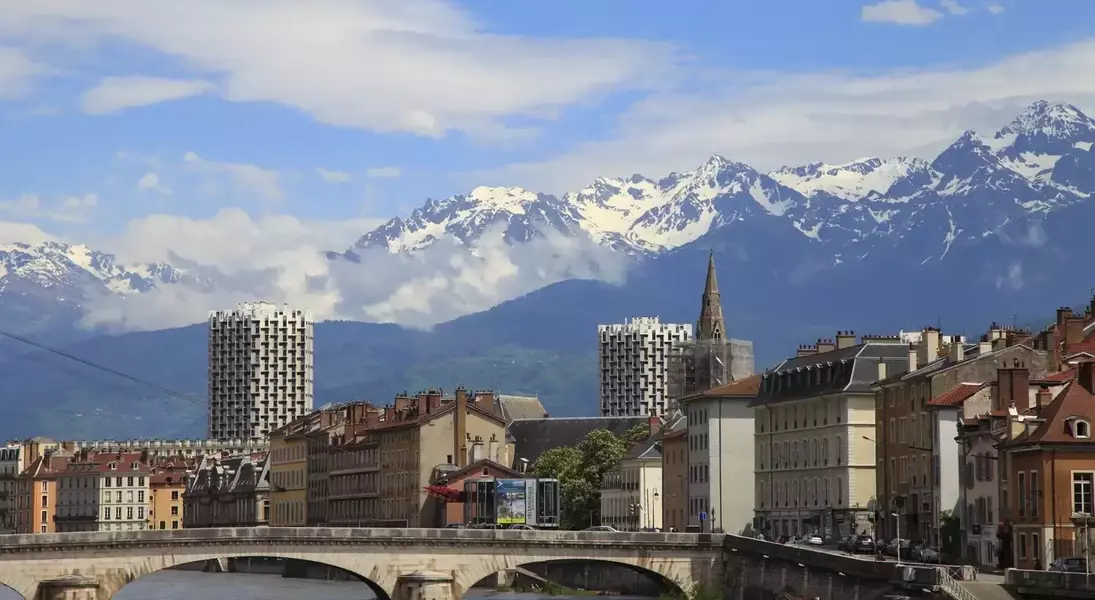
Grenoble, the largest city in the French Alps, is a university town at the confluence of the Drac and Isère rivers, offering museums, public transit, and access to premier ski resorts. Annecy, an hour north, enchants with its glacial lake, canals, and views of the Aravis Mountains. For even lower costs, Chambéry provides baroque architecture and a car-free historic center, with monthly expenses around $1,400. French Alpine towns are considerably more affordable than their Swiss counterparts.
The Allure of the Austrian Alps
Austria's mountain regions are rich in thermal spas, historic castles, and ski slopes, often at prices well below Switzerland's and frequently more competitive than France's. Austria's healthcare system is highly regarded in Europe, and English is widely spoken in urban and tourist areas, facilitating a smooth transition for American retirees. A visa-free stay of up to 90 days is permitted, with longer stays requiring a residence permit, typically a private residence permit, which mandates proof of non-working income, valid health insurance, and housing.
Austrian Regions and Cost-Effective Living
Styria, Austria's second-largest state, spans from Alpine peaks to rolling wine country. Its capital, Graz, is a UNESCO World Heritage city known for its medieval old town and vibrant arts scene, with a cost of living about 25% lower than Vienna's. Carinthia, bordering Italy and Slovenia, offers access to Austria's highest peak, the Grossglockner. Klagenfurt, its capital, on Lake Wörthersee, provides a Mediterranean-influenced lifestyle. Smaller towns like Villach offer mountain access at lower housing costs. Livingcost.org reports Graz's average monthly cost for a single person at about $1,685, making Austrian Alpine regions roughly half the cost of comparable U.S. mountain towns, particularly with affordable housing.
Essential Considerations Before Moving to the Alps
Prospective retirees should be mindful of several factors. Language barriers can be significant outside tourist areas, necessitating language classes or choosing larger cities with more English speakers. Alpine winters can be long and isolating, potentially affecting healthcare access and daily life for those with mobility issues or chronic conditions. Researching healthcare systems thoroughly is crucial due to country-specific variations. Finally, popular Alpine towns experience increased crowds and costs during peak tourist seasons, which can alter the quiet village atmosphere some retirees seek. Considering these aspects will help ensure a fulfilling Alpine retirement experience.
