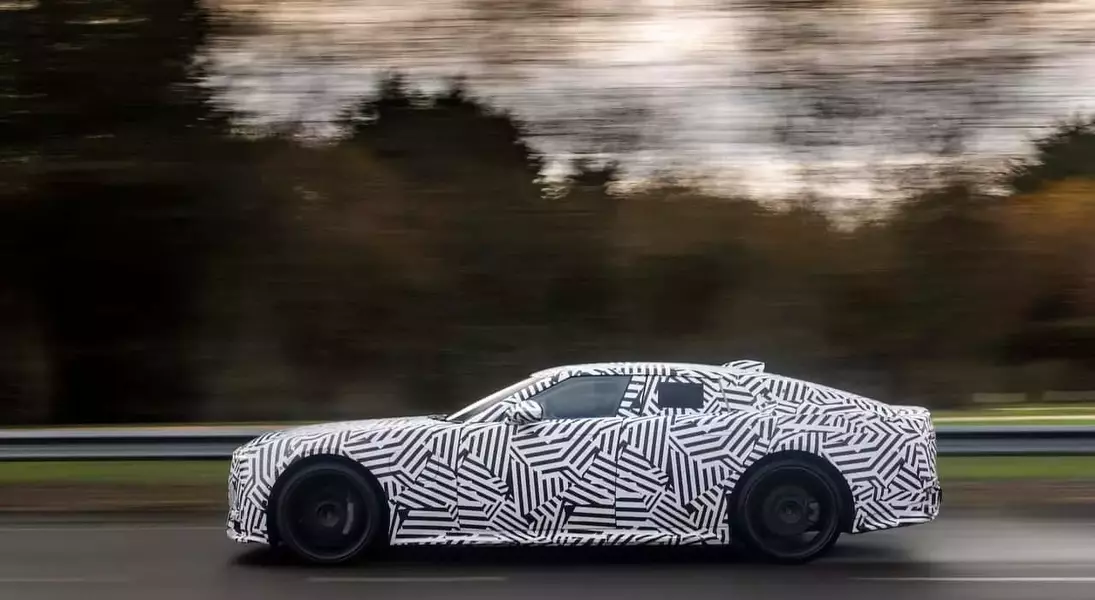
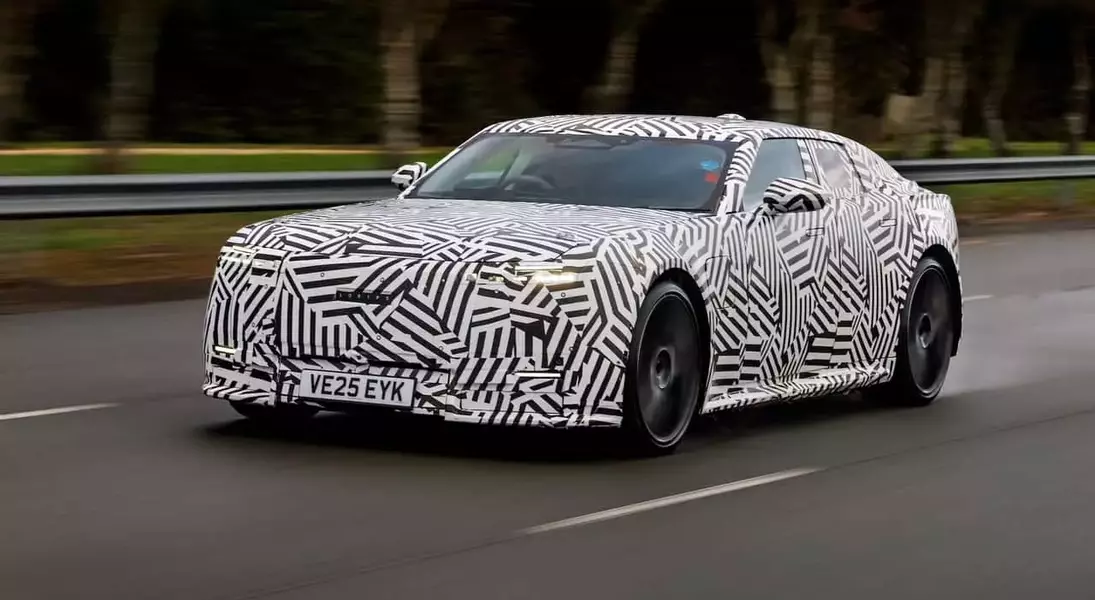
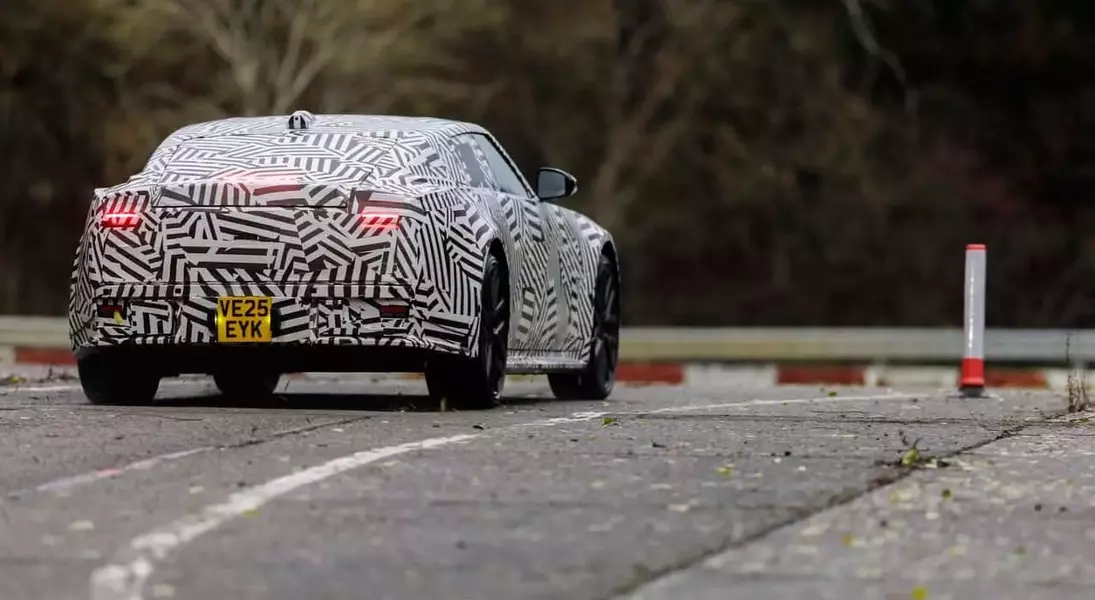
Jaguar is embarking on a bold transformation, shifting its focus to an ultra-luxury electric vehicle segment. The brand's upcoming electric grand tourer, codenamed 'Type 00,' is a testament to this new direction, featuring an impressive powertrain and a refined design. This strategic pivot aims to attract a new clientele while navigating the complexities of a rapidly evolving automotive landscape. The journey, though challenging, reflects Jaguar's commitment to innovation and its vision for a sustainable future.
Jaguar's Electrifying Future: Unveiling the "Type 00" Grand Tourer
Jaguar is meticulously developing its new electric grand tourer, known internally as the 'X900,' signaling a complete departure from its traditional internal combustion engine models. This luxury EV is engineered to deliver over 1,000 horsepower through an innovative three-electric motor configuration, with one motor positioned at the front axle and two at the rear, creating a performance-oriented, rear-biased torque distribution. The vehicle's imposing size, exceeding five meters in length, and its standard 23-inch wheels emphasize its commanding presence on the road. Despite its grand proportions, Jaguar is targeting a weight of under 2,750 kilograms, with an even weight distribution for optimal handling. This shift is a significant gamble, as Jaguar anticipates that a substantial majority—around 85 percent—of 'Type 00' buyers will be new to the brand, indicating a deliberate move away from its current customer base. The market launch is slated for 2027, with order books opening next summer, and a starting price of $120,000, underscoring its premium positioning.
The 'Type 00' represents Jaguar's audacious leap into an electrified future, a strategic maneuver to reposition itself as a super-luxury electric brand. This grand tourer is not merely an upgrade; it is a reinvention, promising an unparalleled driving experience with its formidable 1,000+ horsepower generated by a sophisticated tri-motor system. The vehicle's design, characterized by an elongated hood and an unexpectedly practical hatchback tailgate, marries classic elegance with modern functionality, albeit with a narrow cargo opening. Built on a bespoke EV platform, the 'Type 00' integrates advanced features such as all-around air suspension, twin-valve damping for superior ride comfort, and rear-wheel steering with a six-degree maximum angle to enhance maneuverability despite its significant wheelbase. Prototypes have already demonstrated impressive capabilities, reaching speeds of 160 mph with remarkable quietness due to noise cancellation technology. This ambitious project, however, carries inherent risks, particularly as Jaguar embraces a higher price point and a significantly reduced sales volume strategy, moving away from mass-market appeal towards exclusivity. The company's recent sales figures, with a drastic decline in registrations, highlight the urgency and potential volatility of this strategic shift, making the 'Type 00' a critical, high-stakes venture in the luxury EV market.
Strategic Repositioning and Market Challenges for Jaguar's EV Future
Jaguar's decision to shift its brand identity and product strategy towards the super-luxury electric vehicle market is a calculated risk aimed at securing its future profitability rather than sales volume. The company is prepared to alienate most of its existing customer base, with projections indicating that only a small fraction of current Jaguar owners will transition to the new 'Type 00.' This bold move is driven by the desire to command higher profit margins in the premium segment, acknowledging the intrinsically higher manufacturing costs associated with electric vehicles compared to their internal combustion counterparts. The brand's recent performance, marked by a significant drop in vehicle deliveries and plunging registrations in key European markets, underscores the challenging environment in which this transformation is taking place. This strategic pivot, while promising a luxurious and high-performance product, faces the dual challenge of attracting a new, affluent customer demographic and demonstrating the financial viability of such a niche market approach.
The strategic repositioning of Jaguar as a super-luxury EV brand is a pivotal moment for the venerable automaker, reflecting a conscious departure from its historical market presence. This ambitious endeavor is not without its perils, particularly given the stark reality of the current automotive landscape and Jaguar's recent sales performance. The company’s managing director, Rawdon Glover, has openly acknowledged the expectation of alienating a large portion of its traditional customer base, forecasting that only about 15 percent of 'Type 00' buyers will be returning clients. This indicates a profound strategic reorientation towards an entirely new, affluent demographic, prioritizing exclusivity and higher profit margins over sheer sales volume. The move into a significantly higher price tier, coupled with a dramatic reduction in model offerings and overall sales, represents a high-stakes gamble. The European Automobile Manufacturers' Association's data, revealing a staggering 86.2 percent plummet in Jaguar registrations in 2025, further emphasizes the critical nature of this transition. The success of the 'Type 00' and Jaguar's future hinges on its ability to captivate new luxury EV buyers with its daring design, advanced technology, and opulent appeal, proving that a thousand-horsepower electric grand tourer can not only redefine luxury but also secure the brand's long-term sustainability in a fiercely competitive market.
