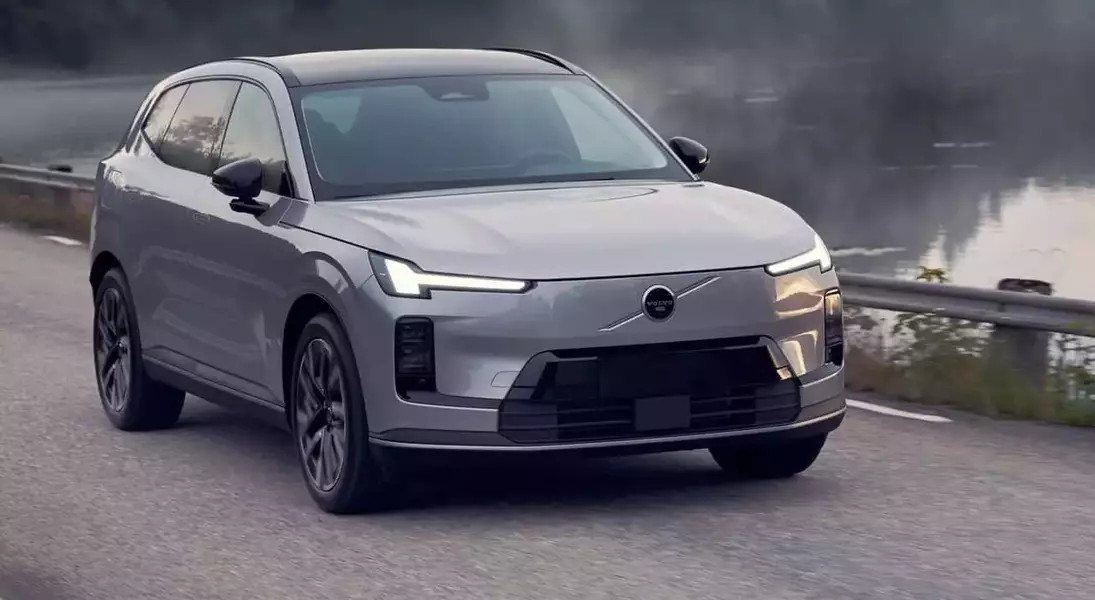
The European Union's recent decision to amend its 2035 ban on new combustion engine vehicle sales has created a clear divergence of opinions within the automotive industry. Initially, in March 2021, Volvo declared an ambitious goal to become fully electric by 2030. However, this strategy was adjusted in September 2024 to include plug-in hybrids beyond that date. Despite this shift, Volvo remains a staunch advocate for upholding the original 2035 ban, arguing that its reversal could jeopardize Europe's competitive edge in the global market. A company representative conveyed to Automotive News Europe that they believe other manufacturers could have adapted to an EV-only portfolio by 2035, citing Volvo's own rapid transition as an example.
Conversely, several other prominent automakers have expressed support for the European Commission's revised approach. Volkswagen has lauded the proposal as both 'pragmatic' and 'economically sound,' while Renault has specifically endorsed the 'Small Affordable Cars' initiative. This program aims to stimulate the production of smaller, more affordable electric vehicles within Europe by easing regulatory constraints and offering 'super credits' to help companies meet emissions targets. BMW, while supporting the continued use of combustion engines, voiced concerns that increasingly stringent CO2 regulations might only offer a superficial solution to deeper issues. Stellantis and Mercedes-Benz have also indicated their preference for flexibility beyond the initial 2035 deadline, with Mercedes' CEO even labeling the original target as 'unrealistic.' Toyota, a long-standing skeptic of an exclusive EV future, has consistently argued for the enduring relevance of hybrid technology, citing its own analysis on the comparative carbon footprints of EVs and hybrids, a stance that has ignited considerable debate.
Ultimately, the European Commission's updated policy mandates a 90 percent reduction in CO2 emissions from 2021 levels for new vehicles sold in its 27 member states, but it explicitly states that internal combustion engines, plug-in hybrids, range extenders, and mild hybrids can persist beyond 2035. The remaining 10 percent of emissions can be offset through the use of biofuels, synthetic fuels, and low-carbon steel produced within the EU. This signifies that, for now, there is no definitive end date for the sale of combustion engine vehicles across the European Union.
This evolving landscape underscores a crucial period for the automotive sector, where innovation, adaptability, and a balanced approach to environmental goals and economic realities will define future success. The differing perspectives highlight the complexity of navigating a sustainable transition, emphasizing that a multifaceted strategy, incorporating various powertrain technologies and robust support for green initiatives, is essential for a prosperous and environmentally conscious future.
